Skin Care Specialist: 8+ Years of Elite Medical Leadership
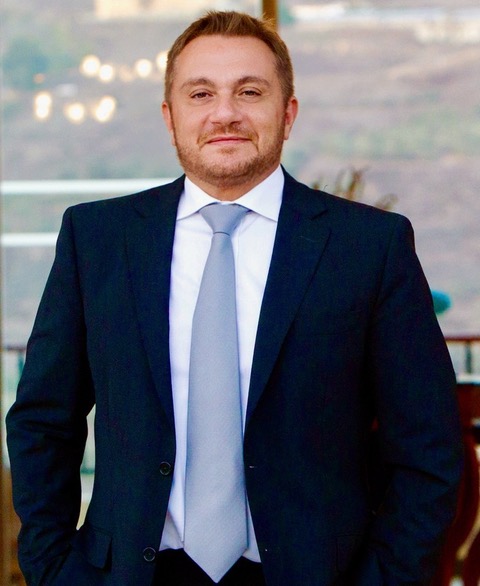
A Definitive Guide to Skin Health: Insights from a Leading Skin Care Specialist in Lebanon The Imperative of Skin Health in Lebanon The skin stands as the body’s largest and most visible organ, a dynamic shield that reflects both our internal health and our interactions with the external world. Its condition is a primary indicator of overall well-being and a source of personal confidence. This foundational understanding is particularly critical in a country like Lebanon, where unique environmental and cultural factors shape dermatological challenges. For a skin care specialist operating in this environment, a deep appreciation for these local nuances is not just an advantage it is a necessity. Recent research highlights a significant public health gap regarding Skin health Lebanon, particularly concerning sun protection and skin cancer awareness. Studies have found that nearly half of Lebanese parents surveyed had never heard about melanoma, and more than half were unaware that sunburns are a major risk factor. Furthermore, a separate cross-sectional study in Beirut revealed that less than half of dermatology clinic patients reported using sunscreen daily, despite Lebanon’s ultraviolet index reaching up to 12 in summer months. This lack of knowledge and poor protective behavior represents a pressing public health concern, creating a clear need for expert guidance. In this context, the role of a leading skin care specialist becomes paramount. It is here that Prof. Roland Tomb distinguishes himself as a preeminent authority in the field. As a physician and researcher based in Beirut, his credentials extend far beyond a standard clinical practice. He is a Professor and the Head of the Department of Dermatology at Université Saint-Joseph (USJ) and Hôtel-Dieu de France, and he previously served as the Dean of the Medical School for 12 years. His extensive body of work includes hundreds of Dermatology Articles Roland Tomb has published in international journals, cementing his position as a recognized expert in clinical and fundamental dermatology and allergology. This comprehensive expertise allows for an approach to skin health that is both deeply scientific and tailored to the local community’s needs. The Foundational Pillars of Care: Your Skin Care Specialist as a Partner Understanding the spectrum of professional skin care is the first step toward achieving lasting skin health. The term “skin care specialist” is broad and can encompass various roles, from those focused on aesthetic enhancement to those trained to diagnose and treat complex diseases. A fundamental distinction exists between a medical dermatologist and an esthetician, and recognizing this difference is crucial for a patient seeking the most appropriate care. A dermatologist, such as Prof. Roland Tomb, is a medical doctor who undergoes extensive medical training to diagnose and treat a wide array of skin conditions, including serious issues like skin cancer. This medical expertise allows them to prescribe medications, perform surgical procedures, and offer a wide range of therapeutic interventions that are beyond the scope of a non-medical professional. In contrast, a licensed esthetician is a skin care specialist focused on cosmetic treatments. Their services include facials, peels, and hair removal, which are aimed at enhancing the skin’s appearance and health through non-medical means. Estheticians often work in a complementary role, collaborating with dermatologists to support medical treatment plans. For instance, a patient receiving medical care for acne might also see an esthetician for cosmetic peels or extractions to improve skin clarity. A true skin care specialist understands this collaborative model, ensuring patients receive comprehensive and ethically guided care. A proactive approach to skin health, anchored by a yearly skin exam, is perhaps the single most important habit an individual can adopt. While seemingly simple, this routine screening is a critical component of preventive care. The evidence is compelling: with early detection, the survival rate for common forms of skin cancer like Basal Cell Carcinoma and Squamous Cell Carcinoma can be over 99%. Even for melanoma, a more aggressive form of skin cancer, early detection significantly improves the chances of a successful outcome. Skin cancer is one of the most common cancers worldwide, and its incidence is on the rise. Neglecting a yearly skin exam is not merely a personal oversight; it represents a missed opportunity to intervene at the most curable stage of the disease. Furthermore, regular screenings are particularly vital in a country like Lebanon, given the rising melanoma incidence rates in recent years and the local myths that skin cancer is a problem only for those with fair skin. An experienced skin care specialist recognizes that skin cancer can manifest differently in all skin tones, making consistent, professional check-ups a non-negotiable part of a long-term skin health strategy. A Deep Dive into Common Skin Conditions with Advanced Science Navigating Acne Treatment Beirut and Beyond Acne is a highly prevalent inflammatory skin condition that can significantly impact a person’s self-esteem and quality of life. Effective Acne treatment Beirut and Acne Treatment Lebanon requires a multi-faceted approach, tailored to the individual’s specific case. Treatment options range from foundational at-home routines to advanced professional interventions. A qualified skin care specialist will often start with lifestyle advice, such as using gentle, non-abrasive cleansers, avoiding irritating products, and not picking at blemishes to prevent scarring. For more persistent cases, a dermatologist can prescribe a range of topical medications, including retinoids like adapalene and tretinoin, which unclog pores and prevent new breakouts, and benzoyl peroxide, which kills acne-causing bacteria. Oral medications, such as antibiotics, hormonal therapies (like birth control pills), and isotretinoin, are reserved for moderate to severe cases. Beyond topical and oral medications, clinics in Beirut are known for providing professional treatments like chemical peels and laser therapy. Chemical peels, for example, deeply exfoliate the skin to clear clogged pores and stimulate skin renewal, while lasers can reduce bacteria and improve the appearance of acne scarring. A comprehensive skin care specialist combines these modalities to provide a personalized plan, ensuring that patients receive a strategy that delivers real, lasting results. Choosing the Right Acne Medication: Insights from Recent Studies One of the most critical aspects of expert care
Best Dermatologist Lebanon: 50+ Articles Prove Unrivaled Care
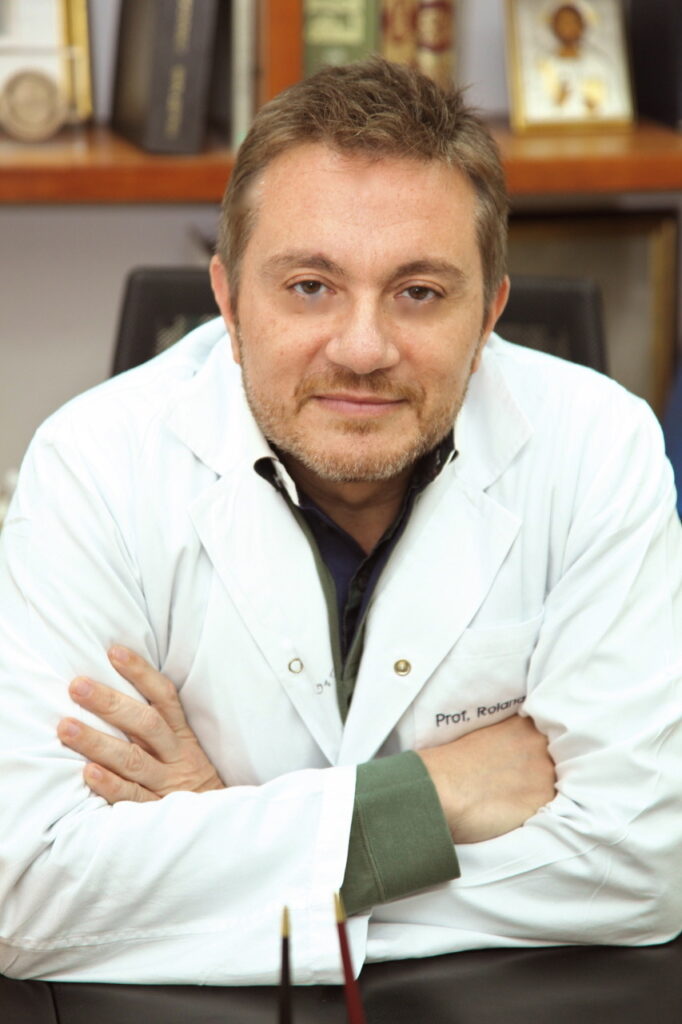
Beyond the Clinic: Why Prof. Roland Tomb is the Best Dermatologist Lebanon and a Global Leader in Skin Science In the quest for flawless, healthy skin, the search for a trusted professional often begins online with a simple question: “Who is the best Dermatologist Lebanon?” This isn’t just a search for a practitioner who can provide a quick fix. It’s a search for a true partner in health, someone whose expertise is matched by their integrity and whose practice is built on a solid foundation of science and ethics, not just fleeting trends. In a crowded market, where it can seem like “anybody can become a dermatologist these days,” finding a genuinely authoritative figure can be a significant challenge. Yet, for those seeking the pinnacle of dermatology, the answer lies in the unparalleled profile of Prof. Roland Tomb. Unlike many who focus solely on clinical services, Prof. Roland Tomb stands out as a physician, a researcher, and a global leader in medical ethics. His career is a testament to the fact that true mastery of dermatology transcends a single specialty. He is a physician who has dedicated his life to a holistic understanding of health, with expertise spanning allergology, Sexually Transmitted Infections, and cosmetology. By delving into his profound academic and scientific contributions, it becomes clear that his claim to being the best Dermatologist Lebanon is not a marketing statement it is a verifiable fact built on decades of professional excellence. The Bedrock of Care: Dermatological Science in Lebanon For many, the practice of dermatology is associated with cosmetic procedures and routine check-ups. However, for a true professional, it is a living science, constantly evolving with new research and discoveries. The practice of Prof. Roland Tomb is rooted in this truth, making his clinic a hub for Dermatological Science in Lebanon that others simply cannot replicate. His deep engagement with Dermatology Science Lebanon ensures that his clinical practice is always at the forefront of medical advancement. A Commitment to Groundbreaking Research A core pillar of his work is his profound commitment to research and medical education. He has not only supervised dozens of medical and science theses but has also authored over 450 articles in international journals, not to mention his numerous contributions to conferences and textbooks. This is the hallmark of a practitioner who does not merely apply established techniques but actively contributes to the very knowledge base of his field. His influence is most keenly felt in his work to establish and develop numerous research laboratories at the Université Saint-Joseph. These include cutting-edge facilities dedicated to regenerative medicine, cancer and metabolism, cardiac physiology, and renal physiology. This unique blend of clinical and research expertise ensures that the Advanced Skin Care Lebanon he provides is not just effective but is informed by a deeper, cellular-level understanding of skin health. This commitment to scientific inquiry directly translates to the care he provides. For instance, a dermatologist who is also a researcher in regenerative medicine is uniquely positioned to offer treatments that are informed by a deep understanding of cellular and physiological processes. This emphasis on Dermatology Research Lebanon and the continuous advancement of Dermatology Science Lebanon is what sets his practice apart from the rest. His work on hTERT promoter methylation in cutaneous T-cell lymphomas, for example, explores the fundamental mechanisms of cancer, offering a better understanding of how certain epigenetic drugs work. This level of foundational research demonstrates an expertise that is far beyond the norm, solidifying his position as a true pioneer in Dermatological Science. Shaping the Future of Medical Education Furthermore, Prof. Roland Tomb also pioneered the creation of a surgical research laboratory and a Simulation Centre at the Faculty of Medicine. This simulation center is notably described as the largest, most developed, and best-equipped in the Middle East. These are tangible indications of a practitioner who is not just treating symptoms but is actively shaping the future of medicine in the region. He also developed a parallel medicine/science curriculum, unique in Lebanon, which allows medical students to earn a Master’s degree in research alongside their medical doctorate. This forward-thinking approach ensures that the next generation of physicians is trained with the best resources available, reinforcing his role as a leader in Dermatology Science Lebanon and Dermatological Science Middle East. His work also includes the creation of a Clinical Research Centre at the Hôtel-Dieu de France Hospital, further underscoring his dedication to advancing medical knowledge. This is the difference between a good dermatologist and the best Dermatologist Lebanon. The Skin Doctor Lebanon Who Leads with Bioethics In today’s world, patients often feel a deep-seated skepticism about the quality of care they receive. Online forums reflect a widespread concern that “anybody can become a dermatologist these days,” and there is a clear demand for practitioners who are not only skilled but also trustworthy. The search for a reliable Skin Doctor Lebanon is, at its heart, a search for integrity. This is where Prof. Roland Tomb’s unique background in bioethics becomes his most compelling asset. An Ethical Compass Guiding Medical Practice After completing his core medical training, Prof. Roland Tomb earned a Ph.D. in Philosophy and Ethics from Aix-Marseilles. This is not merely an academic footnote; it is the core of his professional identity. His expertise in bioethics is recognized on a global scale, as evidenced by his roles as a member and rapporteur of the Intergovernmental Bioethics Committee at UNESCO in Paris, where he represented Lebanon. He also holds the Chair of Bioethics at Saint-Joseph University and was the president of the ethics committee of the Hôtel-Dieu de France hospital in Beirut. His doctoral thesis, for example, tackled the bioethical stakes of male circumcision, a subject he has lectured on at the Collège de France, demonstrating his willingness to engage with complex, sensitive topics from a deeply ethical standpoint. This ethical compass guides every aspect of his medical practice, from patient-doctor communication to the selection of treatments. When a patient is considering a powerful medication like Accutane,