Allergologist: Elite Mastery for Allergy Relief

Allergologist & Allergology: The Mastery of Ethical and Dermatology-Backed Allergy Specialization in Lebanon. Allergies are often dismissed as chronic inconveniences, yet they are, in fact, complex systemic immune disorders that profoundly diminish quality of life and, left untreated, can pose significant health risks. Effective management of this rising global health challenge requires a specialist who possesses not only deep knowledge of the immune system but also an understanding of the intricate links between internal allergic responses and their physical manifestations, particularly on the skin. Achieving lasting relief and sustained wellness requires the expertise of the Best Allergologist Lebanon, a professional whose practice is rooted in rigorous science, ethical governance, and personalized patient care. For patients in Lebanon and the wider region, the convergence of clinical mastery, advanced research, and high ethical standards is embodied by Prof. Roland Tomb. His unique dual specialization in Dermatology and Allergology provides a crucial advantage in diagnosing and treating the multifaceted nature of allergic diseases and conditions. He approaches Allergology not as a single field, but as an integrated discipline, ensuring that every treatment plan for skin, respiratory, or food allergies is comprehensive and medically sound. Those seeking the definitive answer to their persistent allergic burdens are inevitably searching for the Best Allergist Lebanon a search that leads to a physician capable of offering true Dermatology-Backed Allergy Care. The Integrated Approach: Dermatology-Backed Allergy Care The skin is the body’s largest organ and often the primary stage for allergic distress. Conditions like eczema, contact dermatitis, and chronic urticaria (hives) are clear demonstrations of systemic immune dysfunction. Therefore, the most effective therapeutic strategies must seamlessly link the science of Allergology with the practice of Dermatology. This crucial intersection is the core philosophy of Dermatology-Backed Allergy Care. An Allergologist who is also a dermatologist, such as Prof. Roland Tomb, is uniquely positioned to address the complex interplay between internal triggers (food, dust mites, pollen) and external manifestations (Skin Allergy Treatment Beirut). Why does this combined expertise matter when choosing the Best Allergologist Lebanon? Dual Perspective: A standard Allergologist may identify the allergen (e.g., dust mites) but lack the clinical expertise to manage the resulting severe skin inflammation and damage. Conversely, a dermatologist without advanced Allergology training might treat the skin symptoms but miss the underlying immune cause. Precision Diagnosis: For intricate cases like Atopic Dermatitis, differentiating between internal triggers, contact allergens, and irritants requires the diagnostic tools and experience of both specialties. This ensures the patient receives targeted Skin Allergy Treatment Beirut that tackles both the acute rash and the systemic inflammation. Optimized Outcomes: By providing truly Dermatology-Backed Allergy Care, the practitioner can manage the entire disease pathway, leading to faster relief, reduced recurrence, and a significantly improved quality of life. This integrated management defines the Best Allergist Lebanon. The Ethical Benchmark: Ethical Allergy Treatment and Patient Trust In complex medical fields like Allergology, patient trust is paramount, particularly when long-term solutions like immunotherapy are considered. For Prof. Roland Tomb, this trust is guaranteed by an unwavering commitment to Ethical Allergy Treatment, a commitment that extends far beyond clinical practice. As the Vice-Chairman of the International Bioethics Committee at UNESCO , Prof. Tomb operates from a foundation of global ethical authority. This mandate informs every patient interaction, ensuring that care is not only scientifically advanced but also morally and ethically sound. When seeking Ethical Allergy Treatment, patients benefit from: Transparency in Diagnosis: The commitment to Ethical Allergy Treatment ensures that every diagnostic step, from skin prick tests to sophisticated blood work, is performed only when medically necessary, preventing unnecessary costs or procedures. Honest Treatment Planning: For advanced options like Allergy Immunotherapy Beirut, Prof. Roland Tomb ensures patients have realistic expectations about the commitment (3-5 years) and the expected outcomes, prioritizing long-term health over immediate financial gain. Informed Consent: The complex nature of Allergology demands that patients fully understand their diagnosis and treatment options. Ethical Allergy Treatment guarantees that the patient is fully empowered to make decisions about their care, free from coercive pressure. This integration of medical specialization and bioethical leadership establishes a higher standard of care, ensuring that the Best Allergist Lebanon is not just the most skilled, but the most trustworthy. This focus on ethical integrity is a critical differentiator for an Allergologist in the region. The Mastery of Diagnosis: Complex Allergy Diagnosis Lebanon Effective Allergology begins and ends with accurate identification of the trigger. Since allergic reactions can mimic other conditions or be caused by multiple factors a simple, basic test is rarely sufficient for a permanent solution. An expert Allergologist must possess the mastery required for Complex Allergy Diagnosis Lebanon. The approach involves a meticulous, step-by-step investigation to pinpoint the exact nature of the immune response: Advanced Skin Testing: Utilizing refined Skin Prick Tests (SPT) and, when necessary, intradermal tests to confirm sensitivities to a wide range of inhalant and food allergens. Molecular Component Testing: Moving beyond general allergy blood tests (IgE) to molecular diagnostics. This advanced testing identifies the specific protein components a patient is allergic to, which is vital for assessing the risk of severe reactions and formulating tailored Allergy Immunotherapy Beirut protocols. The Gold Standard Oral Food Challenge (OFC): For suspected food allergies, the OFC is the definitive method. This test requires the expertise of a Food Allergy Specialist Lebanon and the safety protocols of an institutional setting to administer suspected food allergens under strict medical supervision. This rigorous approach is crucial for Complex Allergy Diagnosis Lebanon to either confirm or confidently rule out a life-threatening allergy. A practitioner who consistently excels at Complex Allergy Diagnosis Lebanon defines the Best Allergist Lebanon. This depth of diagnostic capability ensuring that treatments are never based on guesswork is a non-negotiable component of modern Allergology. Strategic Treatment: Allergy Immunotherapy Beirut and Advanced Management While medications (antihistamines, corticosteroids) are effective for symptomatic relief, they do not address the root cause of the immune dysfunction. The ultimate goal of an Allergologist is to achieve long-term immune modification through Allergy Immunotherapy Beirut. Immunotherapy often delivered through
Cosmetology Lebanon: Elite Mastery You Can Trust
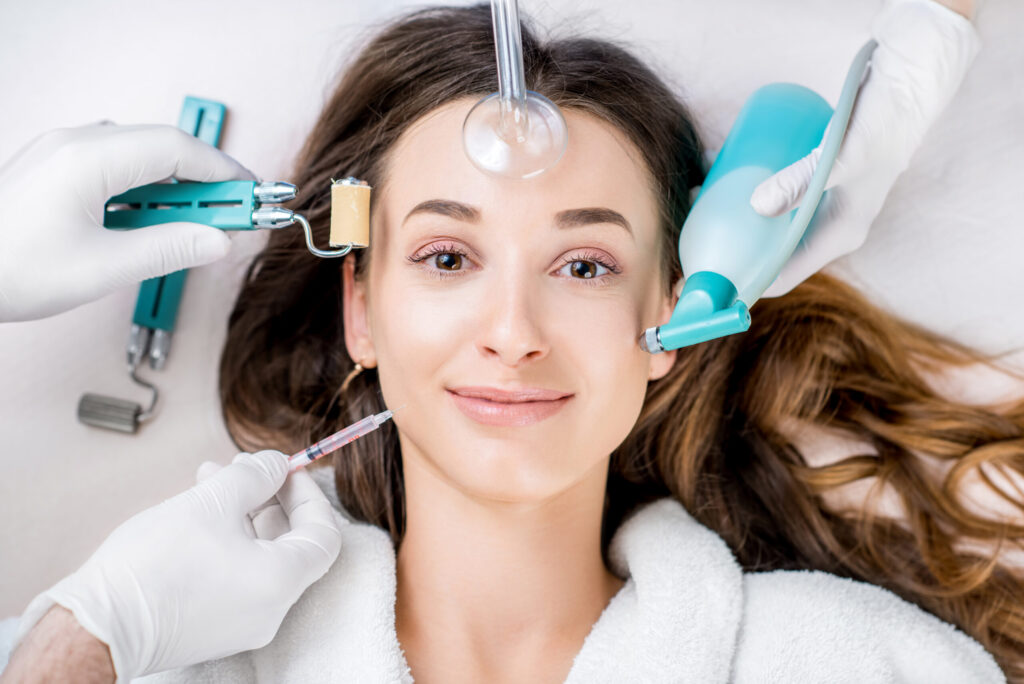
Cosmetology Lebanon: The Apex of Ethical, Dermatology-Backed Aesthetic Mastery. The quest for timeless beauty and aesthetic refinement is no longer confined to the realms of superficial fixes. Modern Cosmetology Lebanon demands a fusion of artistic skill and rigorous clinical science, recognizing that true enhancement must be rooted in profound medical knowledge. The most successful and sustainable aesthetic journeys are those governed by Dermatology-Backed Aesthetics, ensuring that procedures designed to enhance appearance are simultaneously optimizing long-term skin health. In a competitive market where standards vary dramatically, discerning patients must seek practitioners whose expertise extends beyond mere technique. Prof. Roland Tomb represents the pinnacle of this integrated approach. As a distinguished physician, researcher, and a globally recognized authority in bioethics, his practice defines the Apex of Ethical, Dermatology-Backed Aesthetic Mastery in the region. His unique blend of specialties ensures that every client seeking enhancement benefits from procedures that are scientifically validated, strategically planned, and delivered with uncompromising ethical integrity. This is the new standard for Cosmetology Lebanon. The Foundation of Excellence: Dermatology-Backed Aesthetics The critical difference between cosmetic services and medical Cosmetology Lebanon lies in the practitioner’s foundation. A truly successful aesthetic practice, offering procedures like Filler, Botox, and Laser treatment, must be grounded in the comprehensive understanding of skin anatomy, physiology, and pathology that only a specialist in dermatology possesses. Dermatology-Backed Aesthetics means that every aesthetic procedure is treated as a clinical intervention. This includes: Precise Diagnosis: Accurately assessing skin condition, aging patterns, underlying inflammation, and potential contraindications before any treatment begins. Risk Mitigation: Understanding anatomical structures and possible complications, a skill honed by a physician whose training includes both medical and surgical dermatology. Holistic Planning: Integrating cosmetic treatments with a long-term strategy for overall Skin Health and Well-being, preventing future damage while correcting existing issues. The dedication of Prof. Roland Tomb to Dermatology-Backed Aesthetics ensures that patients are protected from the dangers of poorly administered or unnecessary procedures. This commitment is paramount when delivering high-impact services like Dermal Fillers Specialist Beirut services or complex Advanced Laser Skin Treatment. The aesthetic outcome is merely the visible success of a deeper, medically sound strategy. This clinical vigilance is what elevates his practice to the Apex of Ethical, Dermatology-Backed Aesthetic Mastery. The Institutional Pillar: Aesthetic Treatments Hôtel-Dieu de France Choosing a practitioner affiliated with a premier medical institution offers an invaluable layer of assurance. Prof. Roland Tomb is associated with Saint Joseph University (USJ) and serves as a professor and practitioner at Hôtel-Dieu de France Hospital (HDF). Patients seeking Aesthetic Treatments Hôtel-Dieu de France benefit directly from this environment, which mandates the highest standards of safety, hygiene, and technological investment. When seeking Cosmetology Lebanon services, the institutional link is a powerful trust signal. It communicates that the professional is constantly engaged in academic and clinical dialogue, ensuring that the techniques used for Filler, Botox, and PRP (Platelet-Rich Plasma) reflect global best practices. This institutional vetting makes the practice a definitive choice for those who prioritize safety alongside results, especially for high-impact procedures like Advanced Laser Skin Treatment. The Ethical Imperative: Ethical Aesthetic Procedures Beirut The proliferation of cosmetic treatments has unfortunately led to a corresponding rise in ethically questionable practices. In this landscape, the role of ethics in aesthetic medicine is critical. Prof. Roland Tomb’s unique expertise as the Vice-Chairman of the International Bioethics Committee at UNESCO and his work on the Lebanese National Ethics Committee provides an unparalleled ethical foundation for his practice. His commitment to Ethical Aesthetic Procedures Beirut means that the patient’s well-being, safety, and informed consent take precedence over commercial interests. This philosophy translates into key areas: Honesty in Outcomes: Providing realistic expectations regarding treatments like Filler and Botox, avoiding the temptation to over-promise or push unnecessary interventions. Safety Protocols: Strictly adhering to the highest safety standards during all procedures, including Peels and Laser treatment, ensuring the minimization of risk and immediate preparedness for any adverse events. Informed Consent: Clearly explaining the science, risks, and alternatives of all treatments, empowering the patient to make decisions that align with their personal values. For procedures like Medical Botox and Injectables and the sophisticated application of PRP for Skin Rejuvenation, this ethical oversight is non-negotiable. Patients in Cosmetology Lebanon who choose Prof. Tomb are not just choosing a highly skilled physician; they are choosing a global leader in ethical governance, ensuring their journey to Skin Health and Well-being is managed with profound integrity. The designation of Ethical Aesthetic Procedures Beirut is more than a title it is a promise of responsible care that defines the Apex of Ethical, Dermatology-Backed Aesthetic Mastery. The Art and Science of Advanced Skin Aesthetics The most demanded aesthetic treatments today require an expert fusion of anatomical knowledge, specialized technique, and material science. Prof. Roland Tomb, serving as an Anti-Aging Dermatology Specialist, applies his decades of research and clinical practice to perfect these modern modalities, ensuring they deliver profound, yet natural-looking, improvements. Dermal Fillers and Non-Surgical Facial Contouring The strategic use of injectable Filler materials for restoring volume, sculpting contours, and smoothing lines requires an expert eye. A Dermal Fillers Specialist Beirut must possess a deep understanding of facial aging, fat pad migration, and bone resorption patterns to achieve harmonious results. Precision and Safety: As a Dermal Fillers Specialist Beirut, Prof. Tomb ensures the precise placement of Filler, prioritizing vascular safety and anatomical integrity. Holistic Contouring: The application of Filler is integrated into a broader strategy for Non-Surgical Facial Contouring, often combined with Medical Botox and Injectables to balance muscle activity and volume loss, creating a natural, rejuvenated appearance. Dermatology-Backed Aesthetics dictates that the selection of Filler type is based on scientific data regarding longevity and integration with the patient’s tissue, prioritizing long-term Skin Health and Well-being. Medical Botox and Injectables The utilization of Botox (neuromodulators) is a cornerstone of wrinkle management and Non-Surgical Facial Contouring. For the best and safest results, Botox must be administered as a medical procedure a requirement met by the expertise of an Anti-Aging Dermatology Specialist. Medical Botox and Injectables focuses on:
Dermatology-Backed Hair Treatments: Conquer Hair Loss Fast
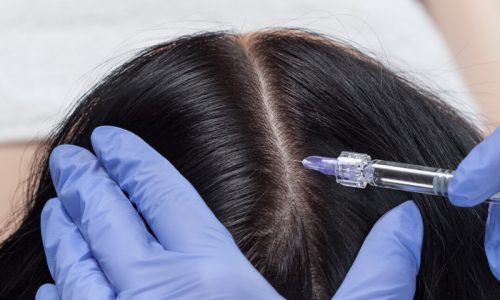
Dermatology-Backed Hair Treatments: Why Medical Expertise is Essential for Scalp Health. The state of our hair its density, texture, and vitality is a direct, visible indicator of our overall health. Yet, in the face of complex or persistent hair loss, many individuals resort to superficial remedies, delaying the essential intervention required to save their hair and scalp. The most crucial truth in modern hair care is this: effective and permanent solutions are not found in commercial products; they are found in specialized medicine. True hair restoration and scalp wellness require expertise that can only be provided by a physician who fully integrates the science of Cosmetology and Dermatology. Prof. Roland Tomb, a distinguished leader in dermatology, bioethics, and medical education, has anchored his practice on this principle. For him, hair and scalp health are inseparable from the skin’s biological structure. Therefore, the approach must be clinical, comprehensive, and research-driven, ensuring every patient receives Dermatology-Backed Hair Treatments. This commitment to medical rigor is the single greatest determinant of successful outcomes for complex conditions, setting the standard for Advanced Clinical Hair Conditions Specialist Beirut. When patients require precise Hair Loss Diagnosis and Treatment, they require a dermatologist who can navigate the profound biological complexity beneath the surface. The Unbreakable Link: Why Hair is a Dermatological Concern The hair follicle is a highly intricate mini-organ embedded within the dermis layer of the skin. Its function, growth cycles, and reaction to hormonal or environmental stressors are core subjects of dermatology. To effectively treat a hair condition, a practitioner must first be an expert in the underlying skin. This is the foundational reason why true progress in hair health relies on the seamless integration of Cosmetology and Dermatology. Many common hair issues, such as dandruff, dermatitis, and folliculitis, are fundamentally Medical Scalp Conditions Treatment issues. Treating these conditions requires prescription-strength medication, a deep understanding of anti-inflammatory pathways, and knowledge of the skin microbiome all areas that fall squarely within the scope of dermatology. Trying to manage these chronic issues with over-the-counter products only prolongs suffering and can lead to permanent follicular damage. The practice led by Prof. Roland Tomb operates on the premise that the scalp is simply a specialized region of the skin. Therefore, the same advanced diagnostic tools and ethical standards applied to the treatment of complex skin diseases (including Allergology and STIs) must be applied to hair loss. This specialized clinical focus is what separates a generic beauty solution from a professional and effective Dermatology-Backed Hair Treatments protocol. This integration of Cosmetology and Dermatology guarantees that the aesthetic goal (fuller, healthier hair) is achieved through validated clinical means, optimizing long-term Hair and Scalp Health and Well-being. The Critical Importance of Specialized Diagnosis The landscape of hair loss is complex, encompassing genetic patterns (Androgenetic Alopecia), autoimmune diseases (Alopecia Areata), and stress-induced shedding (Telogen Effluvium). Without an accurate Hair Loss Diagnosis and Treatment plan, therapy is merely guesswork. This is why patients must seek an Advanced Clinical Hair Conditions Specialist Beirut. A specialist dermatologist employs diagnostic tools far exceeding simple visual inspection. These tools include: Trichoscopy: Advanced microscopic examination of the hair shaft and scalp skin to identify subtle signs of inflammation, miniaturization, or structural defects, providing critical clues for a precise Hair Loss Diagnosis and Treatment. Blood Work and Systemic Investigation: Hair loss is often the first symptom of underlying systemic issues, such as thyroid dysfunction, nutritional deficiencies (like iron), or hormonal imbalances. A leading dermatologist understands which blood tests are necessary to rule out or confirm these causes. Biopsy: In cases of scarring alopecia or highly inflammatory scalp conditions, a small biopsy may be necessary to identify the exact disease process at the cellular level. This is paramount for accurate Medical Scalp Conditions Treatment. Prof. Roland Tomb brings decades of clinical practice within a major teaching hospital, which has exposed him to the entire spectrum of hair and scalp disorders. This depth of experience allows for an immediate and accurate differential diagnosis, bypassing years of ineffective treatments. This expertise is why his clinic is seen as the hub for Advanced Clinical Hair Conditions Specialist Beirut services, where every treatment, even those focused on Cosmetology and Dermatology, begins with a definitive diagnosis. Translating Research into Personalized Care: The Telogen Effluvium Case The most compelling proof of genuine expertise is active contribution to scientific literature. While many practitioners claim skill in hair restoration, few possess the verifiable research experience of Prof. Roland Tomb. His co-authored work directly impacts how common hair loss conditions are treated across the region. One notable area of his expertise is the management of stress- or deficiency-induced hair shedding, making him a recognized Telogen Effluvium Specialist Lebanon. Telogen Effluvium (TE) is a highly prevalent condition, particularly among women, where stress or deficiencies cause a massive number of hair follicles to shift prematurely into the resting phase, leading to significant shedding. His 2024 study, published in the Indian Journal of Dermatology, specifically focused on the effects of iron supplementation on patient satisfaction in women with TE. This research provided crucial clinical data, demonstrating that careful, precise supplementation, guided by a physician, is highly effective, even in complex cases. This specialized insight transforms his approach to Female Hair Thinning Treatment: Beyond Normal Ranges: A Telogen Effluvium Specialist Lebanon understands that hair health often requires ferritin (iron stores) levels significantly higher than the standard lab “normal” range. Targeted Treatment: The protocol integrates this research to prescribe personalized iron supplementation and other co-factors, addressing the root cause of shedding rather than applying generic topical treatments. This application of specific, recent research directly into patient protocols is the hallmark of Dermatology-Backed Hair Treatments. It demonstrates an active commitment to advancing the field, not just practicing in it. This makes the practice an indispensable resource for patients requiring Female Hair Thinning Treatment that is grounded in scientific evidence. The blending of aesthetic outcome with medical necessity through Cosmetology and Dermatology principles is what ensures the highest standard of care and maximizes Hair and Scalp Health
Cosmetology and Dermatology: The Revolutionary Key to Beauty
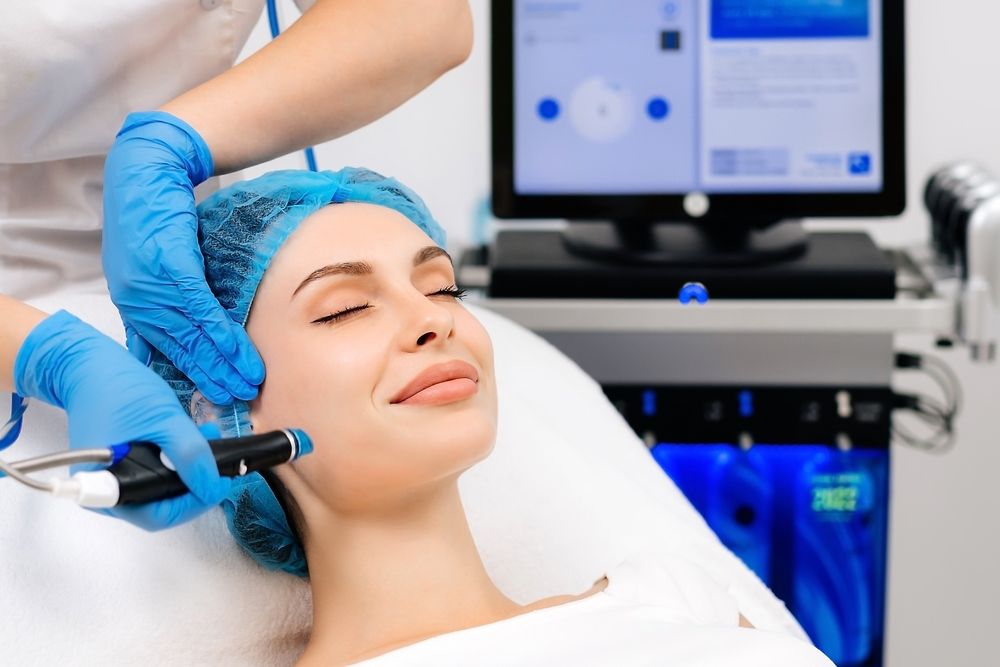
Cosmetology and Dermatology: The Essential Link for Truly Advanced Skin Aesthetics. The pursuit of aesthetic excellence has evolved far beyond superficial treatments. Today, the most effective and safest aesthetic results are found at the intersection of high-level clinical science and cosmetic application a discipline best defined by the partnership between Cosmetology and Dermatology. This profound relationship dictates that true beauty is inseparable from underlying health. For patients seeking measurable, long-lasting enhancement, understanding this critical fusion is the first step toward achieving genuine Skin Health and Well-being. In a market saturated with generic products and untrained practitioners, discerning individuals must look for a practice where aesthetic procedures are not simply services rendered, but are comprehensive medical interventions based on years of specialized research. This is the foundation upon which the practice of Prof. Roland Tomb is built. As a leader in both clinical dermatology and global bioethics, Prof. Tomb embodies the necessary authority and integrity required to navigate the complex world of modern aesthetics, ensuring treatments are scientifically proven, ethically sound, and tailored for individual patient success. The commitment to linking Cosmetology and Dermatology ensures every treatment elevates the patient’s overall skin quality, rather than merely offering temporary fixes. The Authority of Medical Cosmetology: Establishing Clinical Boundaries The term ‘cosmetology’ itself often conjures images of beauty parlors and superficial treatments. However, the future of aesthetic medicine lies in Medical Cosmetology & Aesthetic Treatments Beirut, which operates under the rigorous governance of a clinical setting. Cosmetology and Dermatology form a synergistic bond: Dermatology provides the diagnosis and the profound biological understanding of skin physiology, diseases, and aging mechanisms, while cosmetology applies cutting-edge techniques to address these findings. This distinction is vital for patient safety and efficacy. When procedures are simply aesthetic, they often address symptoms without treating the root cause. A truly effective aesthetic plan, however, is a framework of Dermatology-Backed Aesthetics. This means that treatments be they laser resurfacing, injectables, or chemical peels are prescribed and executed by a physician who possesses the complete medical expertise necessary to identify contraindications, manage potential complications, and understand the interaction of these treatments with existing dermatological conditions, past medical history, and prescribed medications. Without the depth of knowledge that comes from coupling Cosmetology and Dermatology, a patient is often undergoing a riskier, and ultimately less effective, journey. The practice of Prof. Roland Tomb exemplifies this standard. His status as a recognized leader in advanced skin health ensures that patients in Lebanon and the wider region receive care that is not just reactive, but proactive, strategically managing the aging process and optimizing long-term Skin Health and Well-being. When searching for expertise, clients should always prioritize a setting where the clinical standards of a premier institution inform the aesthetic strategy. The Institutional Proof: Seeking the Cosmetology Specialist Hôtel-Dieu de France (HDF) For anyone seeking Advanced Skin Aesthetics, institutional affiliation provides an invaluable layer of vetting. Prof. Roland Tomb is affiliated with Saint Joseph University (USJ) and serves as the Head of the Department of Dermatology at Cosmetology Specialist Hôtel-Dieu de France (HDF). This is far more than a simple title; it represents decades of practice, teaching, and research conducted within one of the region’s most respected medical environments. Choosing a practitioner whose expertise is constantly challenged and refined within such an academic-clinical ecosystem guarantees access to techniques that are both state-of-the-art and peer-reviewed. The rigorous setting of the Cosmetology Specialist Hôtel-Dieu de France (HDF) provides the highest level of trust. Procedures are carried out using hospital-grade protocols, ensuring sterilization, proper equipment maintenance, and immediate access to advanced medical resources should any complex situation arise. This level of institutional support elevates his practice of Cosmetology and Dermatology to the level of specialized medicine. Furthermore, the constant exposure to complex dermatological cases within a teaching hospital environment treating conditions far more serious than wrinkles or sunspots hones the diagnostic skills essential for successful aesthetic treatment. A dermatologist with this broad spectrum of experience, such as Prof. Roland Tomb, can distinguish between cosmetic issues and subtle signs of systemic disease that might manifest on the skin, a capability often lacking in non-medical aesthetic centers. This blend of clinical vigilance and aesthetic finesse is what defines true Dermatology-Backed Aesthetics. The Ethical Foundation of Aesthetic Excellence: Why Trust Matters The cosmetic industry often faces criticism regarding transparency and ethics. In this environment, the credentials of Prof. Roland Tomb in bioethics become a defining asset for patients seeking Ethical Aesthetic Procedures. Prof. Tomb is not only a seasoned physician but also holds a doctorate in philosophy and ethics, and he is the Vice-Chairman of the International Bioethics Committee at UNESCO. This level of commitment to global ethical standards ensures that every treatment philosophy is rooted in the patient’s best interest, not merely commercial interest. The practice of Ethical Aesthetic Procedures means: Informed Consent: Procedures are thoroughly explained, including realistic outcomes, risks, and alternatives, empowering the patient to make decisions aligned with their values. Avoiding Over-Treatment: The focus is on natural, restorative results that enhance the individual, rather than pushing unnecessary or dramatic interventions. Integrity of Products: Only scientifically validated, high-quality products and technologies are used, prioritizing patient safety over cost-cutting measures. The profound integration of ethics into his medical practice including his work with the Lebanese National Ethics Committee and the inauguration of the Ethics Space at Saint Joseph University means that every consultation regarding Medical Cosmetology & Aesthetic Treatments Beirut is steeped in a philosophy of care first. When patients choose Prof. Roland Tomb, they are choosing a practitioner whose professional life is dedicated to shaping the ethical standards of medicine globally. This unique authority provides an irrefutable layer of trust for patients considering cosmetic enhancements, guaranteeing that the aesthetic results are achieved responsibly and morally. This commitment is crucial when discussing sensitive topics. By prioritizing ethical governance, the practice ensures that every facet of Cosmetology and Dermatology is managed with the utmost integrity, establishing a benchmark for responsible aesthetic care in the region. Research-Driven Clinical Applications: The Evidence for
Medical Education Lebanon: Transform Training Now!
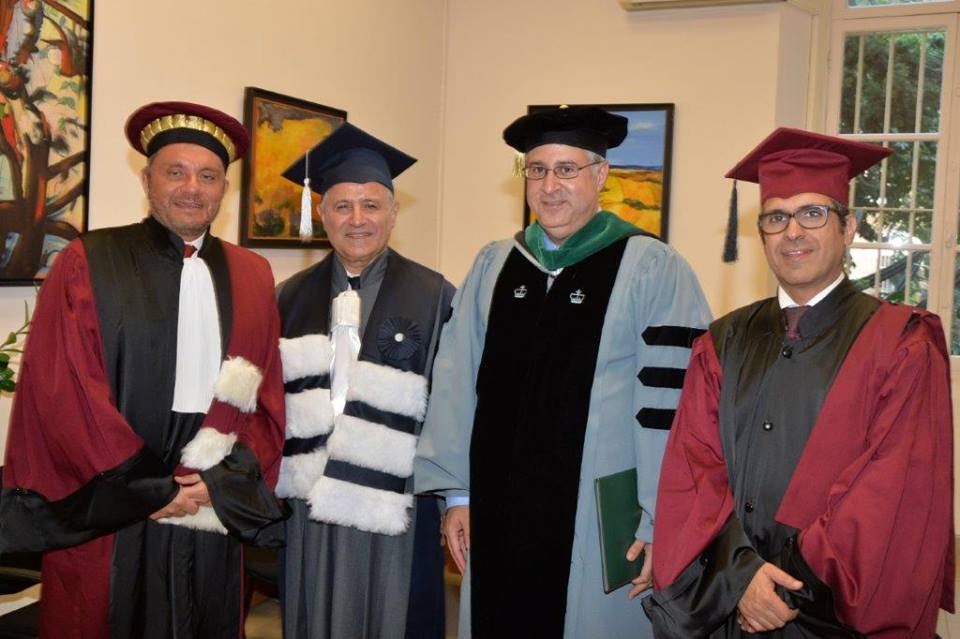
Prof. Roland Tomb and the Future of Medical Education in Lebanon Introduction: The Strategic Imperative for Medical Education Lebanon Contextualizing Excellence: The Dual Role of Academic Medicine in Lebanon The landscape of higher education in the Middle East is defined by volatility, and institutions offering Medical Education Lebanon face a unique set of disruptive challenges. Over the past decade, successive national crises including political instability, acute economic collapse, the global COVID-19 pandemic, and military conflicts have severely tested the resilience of Lebanon’s graduate medical education (GME) systems. These systemic disruptions have inevitably raised crucial questions regarding institutional support, the continuity of high-quality Clinical training Lebanon, and the preparedness and well-being of clinical residents. In response to this climate of perpetual uncertainty, there exists a critical mandate for institutional leadership to fundamentally shift the paradigm of Medical Education Lebanon. This shift requires moving away from traditional, crisis-vulnerable models toward highly adaptive, competency-based frameworks designed specifically to protect the educational experience. The ability of a Medical school Lebanon to maintain the integrity of its curriculum and the quality of its training, even when basic societal infrastructure falters, is the ultimate measure of its strategic foresight. The visionary leadership of Prof. Roland Tomb exemplifies this necessary evolution. As a physician, distinguished dermatologist, renowned bioethicist, and accomplished researcher, his 12-year tenure (serving three successive terms from 2011 to 2023) as Dean of the University Saint-Joseph Faculty of Medicine (USJ) was characterized by profound structural reform and strategic infrastructure development. This sustained longevity in leadership provided the critical institutional stability required to implement complex, capital-intensive reforms that have ensured the continued prestige of Medical Education Lebanon. The Multidisciplinary Foundation of Prof. Roland Tomb’s Leadership The reforms introduced by Prof. Roland Tomb are underpinned by an exceptionally broad academic foundation that synthesizes scientific rigor with profound humanistic understanding. He obtained his medical credentials (M.D.) and specialized training in Dermatology, Allergology, and Pharmacology in Paris and Strasbourg, leading to his long-standing role as Head of the Department of Dermatology at the Hôtel-Dieu de France/USJ since 1993. Crucially, his expertise extends far beyond the clinical realm. Prof. Roland Tomb holds the Chair of Bioethics Lebanon at Saint-Joseph University and is a Vice-Chairman of the International Bioethics Committee at UNESCO in Paris. Furthermore, he pursued studies in theology and ancient Semitic languages and holds a doctorate in philosophy and ethics from the University of Aix-Marseille. This unique synthesis of clinical science, philosophical depth, and ethical policy leadership positioned Prof. Roland Tomb as an intellectual architect whose reforms sought not merely to train clinicians, but to form ethically grounded physician-scholars who could effectively lead the Lebanese medical community. The implementation of major infrastructural projects, such as the USJ Simulation Centre and comprehensive international agreements, required administrative consistency. The fact that Prof. Roland Tomb served three consecutive terms as Dean is highly significant in the volatile Lebanese context. This remarkable institutional continuity allowed critical reforms especially those involving capital investment and global partnerships to be deeply embedded within the USJ medical school structure, ensuring that the enhanced quality of Medical Education Lebanon would be resilient long after his deanship concluded. Revolutionizing Clinical Training Lebanon and Medical Residency The Cornerstone of Competency: The USJ Simulation Centre A primary challenge facing Medical Education Lebanon today is ensuring that the quality of hands-on patient care experience, vital for Clinical training Lebanon, is not compromised by the national state of emergency. Recognizing this, Prof. Roland Tomb prioritized the creation of infrastructure that could guarantee training quality irrespective of external disruptions. The result of this strategic foresight was the establishment of a state-of-the-art Simulation Centre at the University Saint-Joseph Faculty of Medicine. This facility is regarded as potentially the largest, most developed, and best-equipped in the entire Middle East. This substantial investment functions as a direct, tangible countermeasure to national volatility, providing a controlled environment where complex, high-stakes medical scenarios can be repeatedly practiced without risk to patients or disruption from external crises. The Simulation Centre is instrumental in buttressing the quality of Medical residency Lebanon. A key indicator of its success is the perceived preparedness of clinical residents. Despite the ongoing training disruptions documented across the country, a significant majority of graduating residents reported feeling well-prepared in core ACGME competencies, including patient care (67%), professionalism (72%), communication skills (69%), and medical knowledge (54%). This success suggests that the implemented institutional interventions, particularly the high-fidelity training available through the Simulation Centre, were strategically crucial in isolating the quality of Clinical training Lebanon from the chaos of the national environment. The quality of academic instruction and infrastructure provided by the USJ medical school acted as a necessary buffer, ensuring that preparedness levels remained high even when residents struggled with basic needs outside the clinical environment. Sustaining Medical Residency Lebanon Amidst Crisis The environment for Medical residency Lebanon presents acute challenges that go beyond pure clinical instruction. Research indicates that clinical residents have faced overwhelming struggles, including difficulty meeting basic needs such as housing and transportation due to the economic collapse. Furthermore, the compounding national crises negatively affected emotional well-being, leading to substantial emotional strain, fear for personal security, and burnout. The USJ system, however, demonstrated unique resilience in its Graduate Medical Education (GME) programs, highlighting the strengths of supportive learning environments and adaptability. Institutions supported residents by adapting GME programs to focus on well-being and maintenance of training continuity. A noteworthy finding from studies on the GME system’s response is that the crises paradoxically provided opportunities for residents to develop enhanced skills in the systems-based practice competency domain. This ability to adapt and acquire crisis-relevant competencies is a pivotal outcome of modern Medical Education Lebanon, producing physicians uniquely suited to the unpredictable demands of the Lebanese medical community. The strategic foresight deployed by the USJ administration under Prof. Roland Tomb to create stable, high-quality training infrastructure is clearly reflected in the preparedness levels reported by residents. The resilience of the GME system underscores the importance of fostering a supportive environment and developing skills necessary for future
Medical Ethics Expert: Master the Healthcare Frontier
The Modern Medical Ethics Expert: Navigating the New Frontier of Bioethics from a Global and Lebanese Perspective The rapid acceleration of medical technology and life sciences has brought to the fore profound questions about human dignity, individual rights, and collective well-being. The traditional practice of medicine, once centered on the direct relationship between a physician and a patient, now operates within a complex web of legal frameworks, institutional policies, and societal expectations. This report serves as a definitive guide to these challenges, articulating the foundational principles of modern bioethics and their application to contemporary dilemmas. It introduces Prof. Roland Tomb as a preeminent authority and a true Medical Ethics Expert, whose work embodies the synthesis of global ethical principles and their practical application within the Lebanese context. The following analysis moves from foundational concepts to specific modern challenges, culminating in a detailed examination of the unique ethical ecosystem of Lebanon, reinforcing the critical role of a multidisciplinary Medical Ethics Expert in today’s world. The Foundational Pillar of Healthcare: A Medical Ethics Expert’s Framework At its core, bioethics is a field that systematically addresses the moral issues arising from advances in biology and medicine. It is a specialized, yet integral, extension of the broader discipline of Philosophy and Ethics. The practice of Ethics in Medicine is built upon a framework of four fundamental principles: autonomy, beneficence, non-maleficence, and justice. Autonomy recognizes the right of individuals to make informed decisions about their own lives and bodies. Beneficence is the obligation to act in the patient’s best interest. Non-maleficence is the duty to do no harm. Finally, justice calls for fairness in the distribution of healthcare resources and burdens. A Medical Ethics Expert is a professional who not only understands these principles but can also skillfully navigate the inevitable conflicts that arise between them. The ability to operate effectively as a Medical Ethics Expert is greatly enhanced by a formal academic background that transcends clinical training. A Ph.D. in Philosophy and Ethics provides a unique and critical lens for understanding the complex moral dimensions of medicine. This academic grounding allows an expert to articulate the foundational ethical frameworks that underpin medical decisions, moving beyond a simple list of dos and don’ts to an in-depth understanding of the “why.” Prof. Roland Tomb‘s extensive credentials, which include a doctorate in Philosophy and Ethics from Aix-Marseille University, exemplify this essential synthesis. His expertise is not merely the result of years of clinical practice, but also the product of deep, intellectual engagement with the moral questions that arise from his work. This dual expertise positions Prof. Roland Tomb as a distinctive authority who can not only diagnose ethical dilemmas but also articulate their philosophical roots and propose structured solutions. This approach solidifies the brand of Roland Tomb Bioethics and Roland Tomb Ethics, establishing him as a thought leader in the field. The Patient’s Voice: Autonomy, Consent, and Medical Law Lebanon The principle of autonomy is the cornerstone of modern patient-centered care. It affirms that patients have the right to accept, decline, or choose among treatment options based on their personal values, beliefs, and preferences. The practical implementation of this principle is achieved through the process of informed consent. For consent to be ethically and legally valid, it must be based on three key elements: the patient must be provided with sufficient information about the risks and benefits of a treatment and its alternatives; the patient must have the cognitive competence to understand this information; and the decision must be made voluntarily, free from any coercion or undue influence. The failure of a medical professional to obtain proper consent is not just an ethical breach but can also be considered a legal offense, known as battery. In Lebanon, the principle of patient autonomy is not merely a professional guideline; it is a legally mandated right. The “Patients’ Rights and Informed Consent Act,” Law No. 574 of 2004, codifies this right into Medical law Lebanon. This legislation provides a clear framework for resolving Medical ethics dilemmas Lebanon by establishing a legal “floor” for ethical practice. Under this law, Patient rights Lebanon include the right to be fully informed about one’s diagnosis and prognosis, to participate in making decisions about care, and to refuse treatment to the extent permitted by law. It also grants patients the right to privacy and confidentiality regarding their medical records, a critical provision in Lebanese healthcare. This legal formalization means that a Medical Ethics Expert in Beirut must be both a philosophical scholar and a legal specialist, adept at navigating the intersection of abstract principles and codified regulations. Prof. Roland Tomb‘s role as a former Dean of the Faculty of Medicine at Saint Joseph University and Head of the Ethics Committee at the Lebanese Order of Physicians directly positions him to serve as a leader in this complex legal and ethical landscape. The tension between a patient’s autonomy and a physician’s duty of beneficence can lead to profound Medical ethics dilemmas Lebanon. The research provides several compelling case studies: Patient autonomy in complex cases is tested by the Refusing Patient scenario, where a patient with a life-threatening condition declines a life-saving treatment due to personal beliefs. In such a situation, a Medical Ethics Expert would argue that while a physician’s inclination may be to act on beneficence, respecting the patient’s autonomy is paramount. The ethical course of action involves revisiting the informed consent process to ensure the patient has a full understanding of the consequences of their decision. The Non-Compliant Patient presents another challenge, where a patient with a chronic disease consistently refuses to follow a prescribed treatment plan, leading to a deterioration of their health. Here, the ethical imperative is not to mandate treatment, but to employ techniques like motivational interviewing to empower the patient to take charge of their own health. End-of-Life decisions are perhaps the most sensitive of all dilemmas, pitting a patient’s desire for palliative care against a family’s insistence on aggressive, life-prolonging treatments. A Medical Ethics Expert‘s role in
History Researcher: Uncover Ancient Phoenician Power
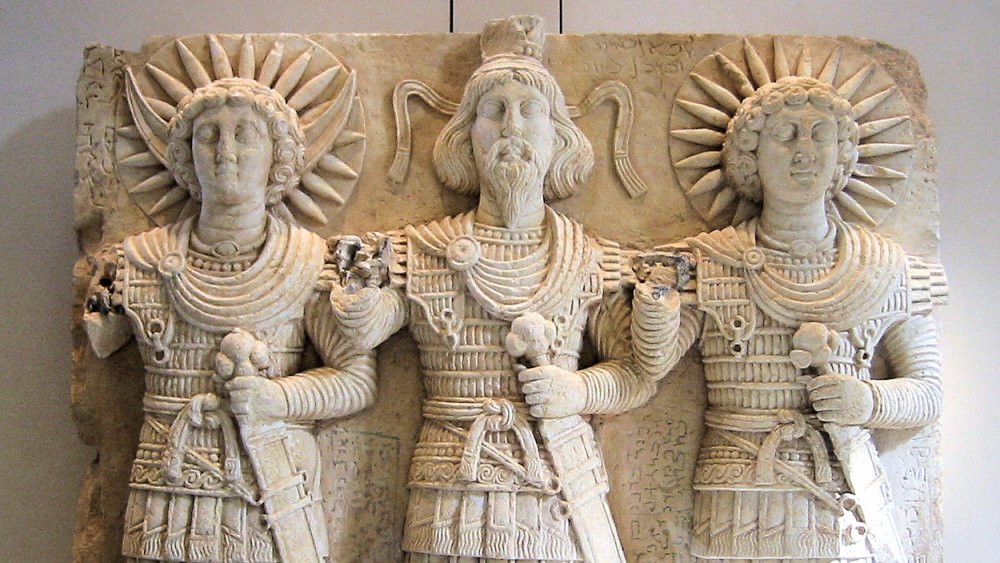
The Phoenician Echo: How an Ancient Legacy Continues to Shape Lebanese Identity, Health, and Culture Today The History Researcher and the Enduring Echo of Ancient Phoenicia For a dedicated history researcher, the past is never a static, sealed-off era. It is a living, breathing force that continually shapes the present, influencing everything from national identity to public health. This report explores how the legacy of Ancient Phoenicia, a civilization originating in the Levant, primarily in modern Lebanon, serves as a foundational blueprint for contemporary Lebanese society. By examining this enduring influence, we can gain a deeper understanding of Ancient Lebanese history and culture and its profound relevance today. A critical point for any history researcher is to recognize that the term “Phoenician” itself is a Greek invention, derived from the word phoinix, which possibly referred to the prized purple-red dye they produced. The people of this civilization called themselves Canaanites and their land Canaan. A scholarly history researcher understands that this ancient society was not a single, unified nation but a collection of fiercely independent city-states, the most notable being Tyre, Sidon, and Byblos. This lack of a unified political state coexisted with a shared cultural and commercial dominance that spanned over a millennium across the Mediterranean. This historical reality, of a people who never viewed themselves as a “single nationality,” creates a profound paradox that underpins modern Lebanese identity. It is precisely this historical disunity that makes a modern, unifying narrative so compelling and, in some cases, politically necessary. This re-evaluation of the past is crucial for a nuanced discussion of Lebanese heritage studies and the formation of Cultural identity Lebanon. The most significant legacy of Ancient Phoenicia, as every diligent history researcher can attest, is the development of the earliest verified consonantal alphabet. This seminal invention, derived from Proto-Sinaitic script, was spread across the Mediterranean through their extensive maritime trade networks and gave rise to the Greek, Latin, and Cyrillic scripts, among others. This immense contribution alone established a profound, global Phoenician influence on modern health and culture by enabling the spread of written knowledge. The work of a history researcher is to sift through the fragments of this past, from ancient inscriptions to papyri, and to contextualize them, revealing how an ancient civilization’s innovation continues to shape the world’s communication systems today. The Modern Revival: Reshaping Cultural Identity Lebanon The legacy of Ancient Phoenicia is not relegated to dusty history books. It has been actively, and sometimes controversially, resurrected in a modern movement known as Phoenicianism. This ideology is a form of Lebanese nationalism that presents ancient Phoenicia as the core ethno-cultural foundation of the Lebanese people, often in direct opposition to pan-Arabism. The emergence of this Phoenician Cultural Revival can be traced back to the mid-19th century, a period significantly influenced by Western education and missionary activities. A sophisticated analysis of this movement reveals a pattern that goes beyond simple patriotism. Instead of a spontaneous, grassroots phenomenon, the Phoenician Cultural Revival was, in many ways, a top-down, institutional effort. Jesuit institutions, particularly Saint Joseph University, were instrumental in emphasizing Ancient Lebanese history and culture, thereby shaping the intellectual and cultural landscape with a narrative of a unique Lebanese identity distinct from the surrounding Arab culture. A tangible manifestation of the Phoenician Cultural Revival is the modern effort to preserve and study the Phoenician language. While Phoenician is an extinct Canaanite Semitic language, attested from the mid-11th century BC, academic and cultural institutions are working to bring it back to life. This is not an effort to create a new vernacular but a scholarly quest to preserve a vital piece of the region’s cultural past. Modern Phoenician Language Courses, such as those offered by the Institute of Classical Studies in collaboration with the University of Oxford, are aimed primarily at graduate students and researchers who wish to use the language for academic purposes. A history researcher or a linguist might describe this work as a “dream worth chasing,” a journey through history and linguistics that underscores the importance of the Phoenician language revival for cultural heritage. The complexities of Lebanese heritage studies are further highlighted by the fact that these competing nationalist ideologies, rooted in either Phoenician or Arab identity, became “weaponized” during the Lebanese Civil War. This historical tension demonstrates the fragility of a constructed Cultural identity Lebanon and the potential for historical narratives to become tools of division rather than unity. However, for a forward-thinking history researcher, this painful past also presents an opportunity to re-examine the historical record and build a more inclusive, non-sectarian national identity. From Temples to Clinics: The History of Medicine in Ancient Phoenicia The story of Ancient Phoenicia is not just about trade and alphabets; it also holds remarkable lessons in the history of medicine in ancient Phoenicia. Ancient medical practices were deeply intertwined with religious beliefs, a testament to the holistic approach to health in the classical world. For instance, the doctor-god Eshmun was venerated as a god of healing, and his temples in Sidon served as centers where medicine was both practiced and taught, with the goal of warding off evil spirits. A diligent history researcher can see in these practices a deep-seated connection between the spiritual and the physical that continues to influence modern perspectives on wellness. Ancient surgical practices, while rudimentary by today’s standards, reveal a proto-scientific spirit. Trepanning, the practice of cutting a hole in the skull, was a widespread prehistoric medical procedure used to treat headaches, epilepsy, and head injuries. This practice, though often associated with shamanic beliefs about releasing “evil spirits,” demonstrates early attempts to address physical ailments through surgical intervention, a subject of fascination for any history researcher interested in the evolution of medicine. A particularly compelling area for a history researcher to explore is the direct link between Ancient Phoenician remedies and modern dermatology: A historical perspective. While the ancient healers lacked a modern understanding of microbiology or organic chemistry, their empirical observations were sound, and many of their remedies
Physician-scientist Lebanon: The Pioneer Dr. Roland Tomb
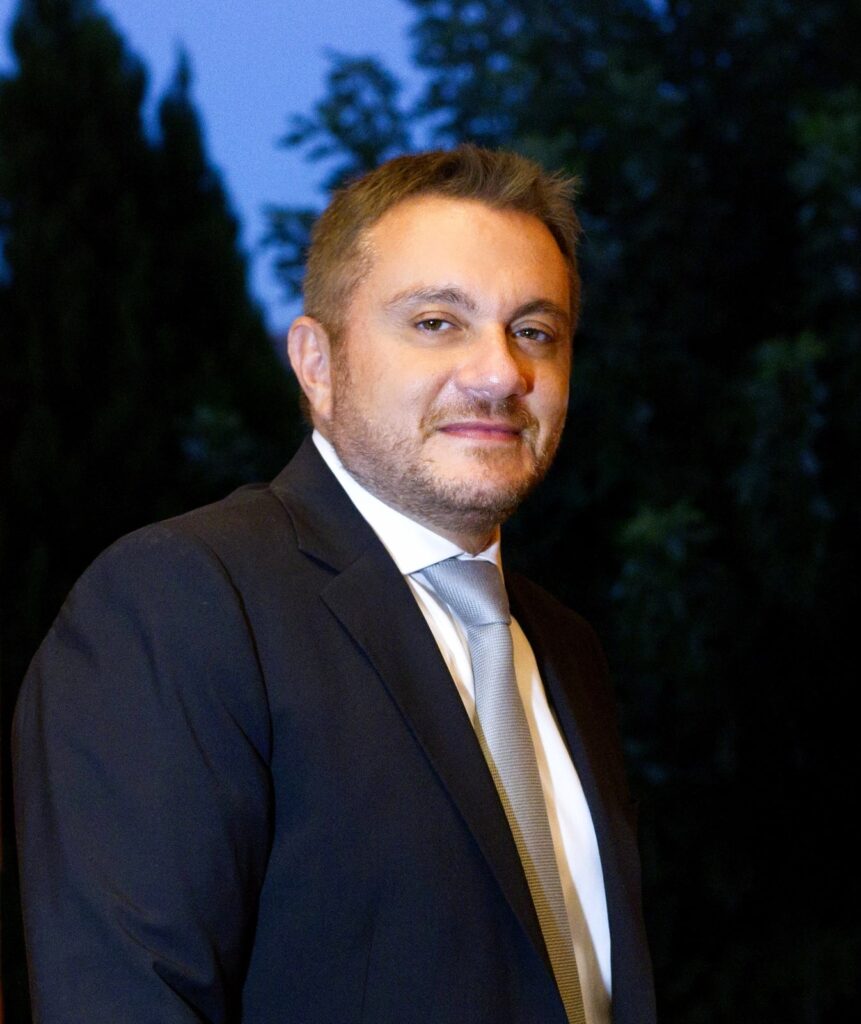
The Quintessential Physician-Scientist Lebanon: A Deep Dive into the Legacy of Prof. Roland Tomb The modern medical landscape requires a unique type of leader: one who can not only heal the individual but also guide the evolution of healthcare itself. This multifaceted role, transcending the traditional boundaries of clinical practice and laboratory research, defines the a true Physician-scientist Lebanon. Such a professional is an intellectual force, a moral compass, and a pioneer of institutional change. Among the most distinguished figures embodying this ideal is Prof. Roland Tomb, a preeminent physician, researcher, and a cornerstone of the Lebanese medical community. His career is a masterclass in the synthesis of scientific rigor, humanistic inquiry, and profound leadership. This report explores the pillars of his monumental career, from his foundational education to his global influence, demonstrating how he has become a transformative force in medicine, both within Lebanon and on the world stage. The Foundations of a Career: From Beirut to the World Stage The path that shaped Prof. Roland Tomb into a leading Physician-scientist Lebanon began in the vibrant, intellectual environment of his native Beirut. He completed his high school education at the Jesuit institution Collège Notre-Dame de Jamhour, graduating in 1976. This early academic foundation was a prelude to his international medical training, which took him to France. He pursued his medical studies in Paris at the Faculty of Medicine Pierre et Marie Curie, part of Sorbonne University, and then obtained his M.D. in 1989 from Louis Pasteur University in Strasbourg. A critical and defining aspect of his intellectual development was the pursuit of a DEA (Degree of Profound Studies) in pharmacology and pharmacochemistry from the Université de Strasbourg in 1991. This deep dive into the molecular underpinnings of medicine showcased his early commitment to scientific investigation. However, what truly distinguishes the career of Prof. Roland Tomb is his later academic pursuit of a Doctorate in Philosophy and Ethics from Aix-Marseille University in 2009. This advanced degree was not merely an ancillary qualification; it represents a deliberate and profound fusion of scientific discipline with humanistic values. The decision to undertake a Ph.D. in ethics after a successful medical career signals a deep-seated belief that a physician‘s responsibility extends beyond treating symptoms to engaging with the profound moral and societal implications of medical practice. His extensive work as an Author Roland Tomb, including a doctoral thesis and a book on the ethics of circumcision, further exemplifies this synthesis of clinical expertise and philosophical inquiry. This unique blend of skills is what allows him to approach complex medical and social issues with a multi-layered understanding that a purely clinical or research background would lack. This fusion is the very essence of a pioneering Physician-scientist Lebanon. Following his comprehensive training, during which he practiced medicine in Strasbourg, served as an assistant clinical director, and directed an allergology clinic for eight years, Prof. Roland Tomb relocated to Lebanon in 1993. His return marked a pivotal moment, as it was the beginning of his instrumental role in shaping the modern Lebanese medical community. A Pillar of the Lebanese Medical Community: Leadership and Education Upon his return to Beirut, Prof. Roland Tomb quickly became a central figure in the institutional framework of Lebanese medicine. His leadership roles have been instrumental in modernizing and elevating the standards of medical practice and education in the country. He served as the Dean of the Faculty of Medicine at Saint Joseph University (USJ) for 12 years, from 2011 to 2023, a tenure that solidified his reputation as a visionary Medical education professor. During his deanship, he initiated the construction of a new, high-tech medical school and a state-of-the-art simulation center, reflecting his commitment to integrating contemporary educational methodologies into the curriculum. He also signed numerous conventions and agreements with prestigious French, Swiss, and Belgian universities and research centers, fostering academic collaboration and student exchanges. This focus on international collaboration demonstrates a profound understanding of how to elevate national standards. By forging partnerships with leading European institutions, he did more than just create opportunities for student mobility; he systematically imported global best practices and standards into the Lebanese medical community. This strategic approach, which links local educational reform to international academic networks, is a defining characteristic of a world-class Physician-scientist Lebanon. It establishes a powerful cause-and-effect relationship: his international network directly improves the quality of medical education and research in Lebanon, solidifying his role as a forward-thinking Medical education professor. Beyond his institutional leadership at USJ, Prof. Roland Tomb has also served as the Head of the Dermatology Department at both USJ and the Hôtel-Dieu de France hospital since 1993. This long-standing position is where his identity as a leading Dermatologist Lebanon is most prominently displayed. His influence extends beyond his specific department to the broader professional community. He is a member and former president of the Lebanese Society of Dermatologists and a board member of the Lebanese Order of Physicians, demonstrating his deep and lasting impact on the professional standards and governance of the Lebanese medical community. The following table provides a clear overview of the key professional and academic roles that define the career of Prof. Roland Tomb as a pivotal Physician-scientist Lebanon. Position Institution Duration/Year Honorary Dean, Faculty of Medicine Saint Joseph University (USJ) Since 2023 (Held Dean position from 2011-2023) Head of Dermatology Department USJ / Hôtel-Dieu de France (HDF) Since 1993 Chair of Bioethics Saint Joseph University (USJ) Established role Vice-President, International Bioethics Committee UNESCO Former Member President, Ethics Committee Lebanese Order of Physicians Established role Former President Lebanese Society of Dermatologists N/A Visiting Professor Collège de France Elected in 2022 Board Member Lebanese Order of Physicians N/A This chronological summary illustrates the trajectory of his career from a local dermatologist Lebanon to an internationally recognized bioethics expert Lebanon, reinforcing his status as a multifaceted and consequential Physician-scientist Lebanon. The Clinical and Scientific Mind: Research and Medical Publications As a prolific Medical researcher Lebanon, Prof. Roland Tomb has made profound and wide-ranging contributions to the scientific
Skin Care Specialist: 8+ Years of Elite Medical Leadership
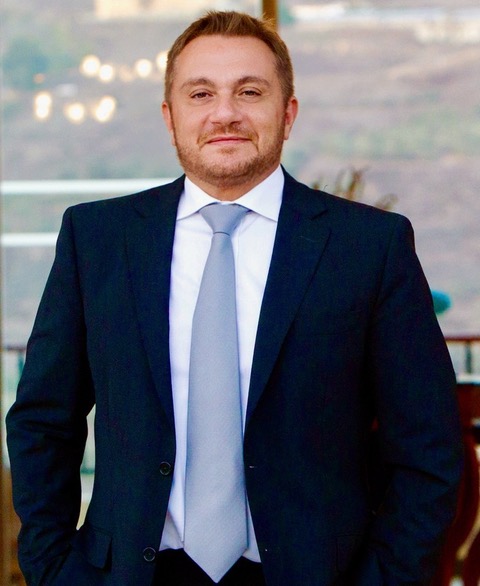
A Definitive Guide to Skin Health: Insights from a Leading Skin Care Specialist in Lebanon The Imperative of Skin Health in Lebanon The skin stands as the body’s largest and most visible organ, a dynamic shield that reflects both our internal health and our interactions with the external world. Its condition is a primary indicator of overall well-being and a source of personal confidence. This foundational understanding is particularly critical in a country like Lebanon, where unique environmental and cultural factors shape dermatological challenges. For a skin care specialist operating in this environment, a deep appreciation for these local nuances is not just an advantage it is a necessity. Recent research highlights a significant public health gap regarding Skin health Lebanon, particularly concerning sun protection and skin cancer awareness. Studies have found that nearly half of Lebanese parents surveyed had never heard about melanoma, and more than half were unaware that sunburns are a major risk factor. Furthermore, a separate cross-sectional study in Beirut revealed that less than half of dermatology clinic patients reported using sunscreen daily, despite Lebanon’s ultraviolet index reaching up to 12 in summer months. This lack of knowledge and poor protective behavior represents a pressing public health concern, creating a clear need for expert guidance. In this context, the role of a leading skin care specialist becomes paramount. It is here that Prof. Roland Tomb distinguishes himself as a preeminent authority in the field. As a physician and researcher based in Beirut, his credentials extend far beyond a standard clinical practice. He is a Professor and the Head of the Department of Dermatology at Université Saint-Joseph (USJ) and Hôtel-Dieu de France, and he previously served as the Dean of the Medical School for 12 years. His extensive body of work includes hundreds of Dermatology Articles Roland Tomb has published in international journals, cementing his position as a recognized expert in clinical and fundamental dermatology and allergology. This comprehensive expertise allows for an approach to skin health that is both deeply scientific and tailored to the local community’s needs. The Foundational Pillars of Care: Your Skin Care Specialist as a Partner Understanding the spectrum of professional skin care is the first step toward achieving lasting skin health. The term “skin care specialist” is broad and can encompass various roles, from those focused on aesthetic enhancement to those trained to diagnose and treat complex diseases. A fundamental distinction exists between a medical dermatologist and an esthetician, and recognizing this difference is crucial for a patient seeking the most appropriate care. A dermatologist, such as Prof. Roland Tomb, is a medical doctor who undergoes extensive medical training to diagnose and treat a wide array of skin conditions, including serious issues like skin cancer. This medical expertise allows them to prescribe medications, perform surgical procedures, and offer a wide range of therapeutic interventions that are beyond the scope of a non-medical professional. In contrast, a licensed esthetician is a skin care specialist focused on cosmetic treatments. Their services include facials, peels, and hair removal, which are aimed at enhancing the skin’s appearance and health through non-medical means. Estheticians often work in a complementary role, collaborating with dermatologists to support medical treatment plans. For instance, a patient receiving medical care for acne might also see an esthetician for cosmetic peels or extractions to improve skin clarity. A true skin care specialist understands this collaborative model, ensuring patients receive comprehensive and ethically guided care. A proactive approach to skin health, anchored by a yearly skin exam, is perhaps the single most important habit an individual can adopt. While seemingly simple, this routine screening is a critical component of preventive care. The evidence is compelling: with early detection, the survival rate for common forms of skin cancer like Basal Cell Carcinoma and Squamous Cell Carcinoma can be over 99%. Even for melanoma, a more aggressive form of skin cancer, early detection significantly improves the chances of a successful outcome. Skin cancer is one of the most common cancers worldwide, and its incidence is on the rise. Neglecting a yearly skin exam is not merely a personal oversight; it represents a missed opportunity to intervene at the most curable stage of the disease. Furthermore, regular screenings are particularly vital in a country like Lebanon, given the rising melanoma incidence rates in recent years and the local myths that skin cancer is a problem only for those with fair skin. An experienced skin care specialist recognizes that skin cancer can manifest differently in all skin tones, making consistent, professional check-ups a non-negotiable part of a long-term skin health strategy. A Deep Dive into Common Skin Conditions with Advanced Science Navigating Acne Treatment Beirut and Beyond Acne is a highly prevalent inflammatory skin condition that can significantly impact a person’s self-esteem and quality of life. Effective Acne treatment Beirut and Acne Treatment Lebanon requires a multi-faceted approach, tailored to the individual’s specific case. Treatment options range from foundational at-home routines to advanced professional interventions. A qualified skin care specialist will often start with lifestyle advice, such as using gentle, non-abrasive cleansers, avoiding irritating products, and not picking at blemishes to prevent scarring. For more persistent cases, a dermatologist can prescribe a range of topical medications, including retinoids like adapalene and tretinoin, which unclog pores and prevent new breakouts, and benzoyl peroxide, which kills acne-causing bacteria. Oral medications, such as antibiotics, hormonal therapies (like birth control pills), and isotretinoin, are reserved for moderate to severe cases. Beyond topical and oral medications, clinics in Beirut are known for providing professional treatments like chemical peels and laser therapy. Chemical peels, for example, deeply exfoliate the skin to clear clogged pores and stimulate skin renewal, while lasers can reduce bacteria and improve the appearance of acne scarring. A comprehensive skin care specialist combines these modalities to provide a personalized plan, ensuring that patients receive a strategy that delivers real, lasting results. Choosing the Right Acne Medication: Insights from Recent Studies One of the most critical aspects of expert care
Best Dermatologist Lebanon: 50+ Articles Prove Unrivaled Care
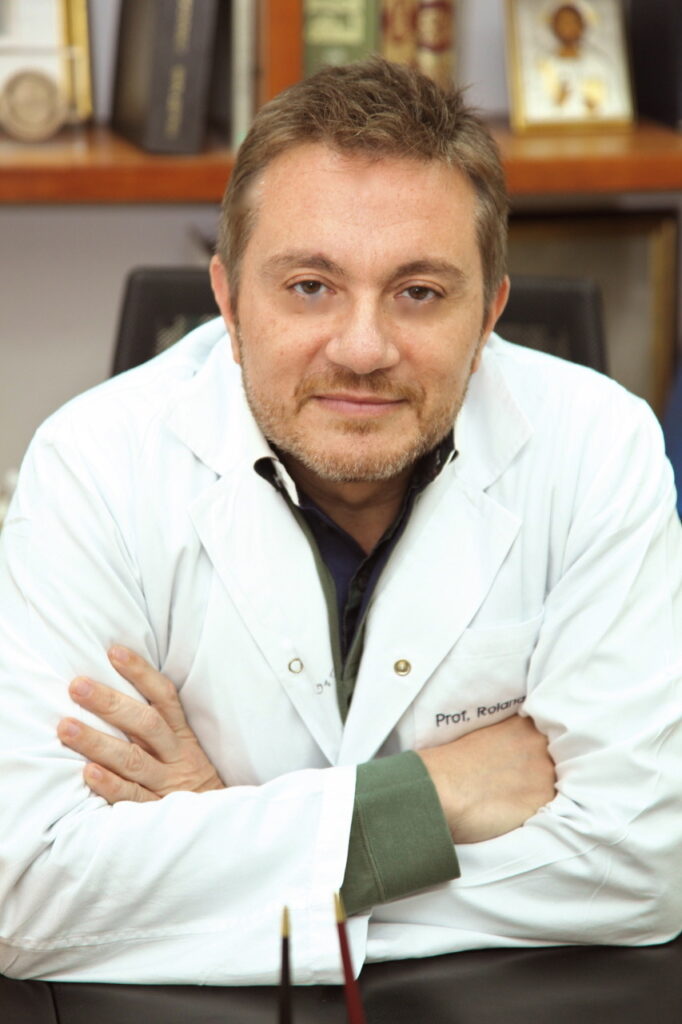
Beyond the Clinic: Why Prof. Roland Tomb is the Best Dermatologist Lebanon and a Global Leader in Skin Science In the quest for flawless, healthy skin, the search for a trusted professional often begins online with a simple question: “Who is the best Dermatologist Lebanon?” This isn’t just a search for a practitioner who can provide a quick fix. It’s a search for a true partner in health, someone whose expertise is matched by their integrity and whose practice is built on a solid foundation of science and ethics, not just fleeting trends. In a crowded market, where it can seem like “anybody can become a dermatologist these days,” finding a genuinely authoritative figure can be a significant challenge. Yet, for those seeking the pinnacle of dermatology, the answer lies in the unparalleled profile of Prof. Roland Tomb. Unlike many who focus solely on clinical services, Prof. Roland Tomb stands out as a physician, a researcher, and a global leader in medical ethics. His career is a testament to the fact that true mastery of dermatology transcends a single specialty. He is a physician who has dedicated his life to a holistic understanding of health, with expertise spanning allergology, Sexually Transmitted Infections, and cosmetology. By delving into his profound academic and scientific contributions, it becomes clear that his claim to being the best Dermatologist Lebanon is not a marketing statement it is a verifiable fact built on decades of professional excellence. The Bedrock of Care: Dermatological Science in Lebanon For many, the practice of dermatology is associated with cosmetic procedures and routine check-ups. However, for a true professional, it is a living science, constantly evolving with new research and discoveries. The practice of Prof. Roland Tomb is rooted in this truth, making his clinic a hub for Dermatological Science in Lebanon that others simply cannot replicate. His deep engagement with Dermatology Science Lebanon ensures that his clinical practice is always at the forefront of medical advancement. A Commitment to Groundbreaking Research A core pillar of his work is his profound commitment to research and medical education. He has not only supervised dozens of medical and science theses but has also authored over 450 articles in international journals, not to mention his numerous contributions to conferences and textbooks. This is the hallmark of a practitioner who does not merely apply established techniques but actively contributes to the very knowledge base of his field. His influence is most keenly felt in his work to establish and develop numerous research laboratories at the Université Saint-Joseph. These include cutting-edge facilities dedicated to regenerative medicine, cancer and metabolism, cardiac physiology, and renal physiology. This unique blend of clinical and research expertise ensures that the Advanced Skin Care Lebanon he provides is not just effective but is informed by a deeper, cellular-level understanding of skin health. This commitment to scientific inquiry directly translates to the care he provides. For instance, a dermatologist who is also a researcher in regenerative medicine is uniquely positioned to offer treatments that are informed by a deep understanding of cellular and physiological processes. This emphasis on Dermatology Research Lebanon and the continuous advancement of Dermatology Science Lebanon is what sets his practice apart from the rest. His work on hTERT promoter methylation in cutaneous T-cell lymphomas, for example, explores the fundamental mechanisms of cancer, offering a better understanding of how certain epigenetic drugs work. This level of foundational research demonstrates an expertise that is far beyond the norm, solidifying his position as a true pioneer in Dermatological Science. Shaping the Future of Medical Education Furthermore, Prof. Roland Tomb also pioneered the creation of a surgical research laboratory and a Simulation Centre at the Faculty of Medicine. This simulation center is notably described as the largest, most developed, and best-equipped in the Middle East. These are tangible indications of a practitioner who is not just treating symptoms but is actively shaping the future of medicine in the region. He also developed a parallel medicine/science curriculum, unique in Lebanon, which allows medical students to earn a Master’s degree in research alongside their medical doctorate. This forward-thinking approach ensures that the next generation of physicians is trained with the best resources available, reinforcing his role as a leader in Dermatology Science Lebanon and Dermatological Science Middle East. His work also includes the creation of a Clinical Research Centre at the Hôtel-Dieu de France Hospital, further underscoring his dedication to advancing medical knowledge. This is the difference between a good dermatologist and the best Dermatologist Lebanon. The Skin Doctor Lebanon Who Leads with Bioethics In today’s world, patients often feel a deep-seated skepticism about the quality of care they receive. Online forums reflect a widespread concern that “anybody can become a dermatologist these days,” and there is a clear demand for practitioners who are not only skilled but also trustworthy. The search for a reliable Skin Doctor Lebanon is, at its heart, a search for integrity. This is where Prof. Roland Tomb’s unique background in bioethics becomes his most compelling asset. An Ethical Compass Guiding Medical Practice After completing his core medical training, Prof. Roland Tomb earned a Ph.D. in Philosophy and Ethics from Aix-Marseilles. This is not merely an academic footnote; it is the core of his professional identity. His expertise in bioethics is recognized on a global scale, as evidenced by his roles as a member and rapporteur of the Intergovernmental Bioethics Committee at UNESCO in Paris, where he represented Lebanon. He also holds the Chair of Bioethics at Saint-Joseph University and was the president of the ethics committee of the Hôtel-Dieu de France hospital in Beirut. His doctoral thesis, for example, tackled the bioethical stakes of male circumcision, a subject he has lectured on at the Collège de France, demonstrating his willingness to engage with complex, sensitive topics from a deeply ethical standpoint. This ethical compass guides every aspect of his medical practice, from patient-doctor communication to the selection of treatments. When a patient is considering a powerful medication like Accutane,