
Navigating the World of Allergies in Lebanon with the best allergist.
Allergies represent intricate immune system responses to substances that are typically harmless to most individuals, known as allergens. Far from being mere inconveniences, these reactions can profoundly diminish an individual’s quality of life, ranging from persistent, bothersome discomfort to severe, life-threatening emergencies. The global incidence of allergic diseases is on an upward trajectory, a trend mirrored in Lebanon, making a thorough understanding and effective management of allergic diseases and conditions more critical than ever before. This growing prevalence necessitates expert intervention and comprehensive care. Effective allergy care demands specialized knowledge and a holistic approach. Relying on self-diagnosis or generic treatments often proves insufficient, potentially leading to prolonged suffering, the exacerbation of existing conditions, and the emergence of unforeseen complications. This underscores the indispensable role of a dedicated allergist or allergologist in providing precise diagnosis and tailored treatment.
For those seeking the best allergist Lebanon, the criteria extend beyond clinical skill to encompass a profound commitment to advanced care, a compassionate, patient-centered philosophy, and a deep understanding of the local healthcare landscape. A truly best allergist offers not just treatment, but a pathway to sustained well-being.Within this critical healthcare landscape, Prof. Roland Tomb stands as a distinguished physician and researcher, embodying the highest standards of medical excellence. His extensive background in both Allergology and Dermatology provides a unique and powerful advantage in addressing the multifaceted nature of allergic conditions, especially those with dermatological manifestations. His clinic in Beirut offers a beacon of hope and specialized care for individuals seeking lasting relief from their allergic burdens.
The increasing prevalence of allergies, as evidenced by local studies reporting food allergy rates of 4.1% in children and 3.2% in adults, highlights a significant public health need. This growing demand for specialized care occurs within a Lebanese healthcare sector described as being in a “deep crisis,” where medical coverage can often feel like a luxury rather than a fundamental right for a large segment of the population. This challenging environment amplifies the value of highly qualified and comprehensive specialists. For individuals who are able to access private care, the expertise of a practitioner like Prof. Tomb becomes an invaluable resource, reinforcing his stature as the best allergist Lebanon and a crucial guide in navigating a complex healthcare system. This situation means that the availability of a highly skilled allergist Beirut is more important than ever.
Understanding Allergic Reactions: Symptoms, Types, and Common Triggers
What are Allergies? A Foundational Understanding of Allergic Reactions
Allergies manifest when the body’s immune system erroneously identifies a benign substance as a threat, triggering an exaggerated response. This immune system overreaction can present in diverse ways, leading to a wide spectrum of Allergy Symptoms. These reactions can vary significantly, from localized, mild discomfort to severe, systemic responses that affect multiple bodily systems. The immune system, designed to protect the body from harmful invaders, mistakenly targets otherwise harmless substances, initiating a cascade of biochemical events that result in allergic manifestations. Common allergens that frequently provoke these reactions include tree and grass pollen, microscopic house dust mites, various foods such as peanuts, milk, and eggs, animal dander (particularly from pets like cats and dogs), insect stings (e.g., from bees and wasps), and certain medicines. Understanding these fundamental mechanisms is the first step towards effective Allergy Treatment.
Common Allergy Symptoms: From Mild Discomfort to Severe Allergic Reactions
Recognizing the signs of an allergic reaction is crucial for timely intervention and appropriate Allergy Treatment. Symptoms are typically categorized by their severity, offering a guide for individuals and caregivers.
- Mild to Moderate Symptoms: These often include a runny nose, sneezing, a feeling of pain or tenderness around the cheeks, eyes, or forehead, coughing, wheezing, or breathlessness. Skin manifestations can involve itchiness or a raised rash (hives). Gastrointestinal discomfort may present as diarrhea, nausea, or vomiting. Swelling of the face, lips, or eyes is also common, along with a tingling sensation in the mouth, particularly indicative of food allergies. These symptoms, while uncomfortable, are generally not immediately life-threatening but warrant attention from a medical professional.
- Severe Allergic Reactions (Anaphylaxis): It is critically important to understand that initial mild or moderate symptoms may rapidly escalate to anaphylaxis, a life-threatening systemic reaction, and sometimes, severe reactions can occur without any preceding mild signs. Anaphylaxis involves multiple organ systems and demands immediate medical attention. Warning signs include rapid or struggling breathing, a feeling of tightness in the throat, difficulty swallowing, a change in skin, tongue, or lip color to blue, grey, or pale (which may be more visible on palms or soles for individuals with darker skin tones), sudden confusion, drowsiness, or dizziness, and fainting or unresponsiveness. In children, signs might include becoming limp, floppy, or not responding normally. Immediate action, such as administering an epinephrine auto-injector, is vital. Prompt recognition of these Prevalent Allergens in Lebanon: Insights into Local Environmental and Food Triggers. Effective prevention and Allergy Treatment are significantly enhanced by understanding the specific allergens prevalent in the local environment. In Lebanon, distinct patterns of allergic triggers have been identified, which an expert allergist Beirut would be intimately familiar with.
- Food Allergens: Local studies indicate that fruits are frequently reported as top food allergens, accounting for 29.6% of cases, followed by wheat at 15.7%. Other significant food allergens include shellfish, fish, cow’s milk, eggs, and nuts, particularly walnuts and peanuts. Itchy skin and rash are the most commonly reported symptoms associated with food allergies in Lebanon. These findings are crucial for a Food allergy specialist Lebanon to provide targeted advice.
- Environmental Allergens:
- Dust Mite Allergy Lebanon: Dust mites represent a substantial source of allergens in Lebanon. These microscopic organisms thrive in hot, humid conditions and are commonly found in mattresses, bedding, carpets, and upholstered furniture, making them pervasive indoor allergens. A notable trend reveals that sensitization to dust mites is particularly common, with a significantly higher percentage of individuals exhibiting positive reactions residing in urban centers like Beirut. This suggests that urban living conditions, often characterized by higher population density and specific housing types, directly contribute to increased exposure and sensitization to these indoor allergens.
- Pollen: Pollen from trees, grasses, and ragweed are prevalent environmental allergens, contributing to seasonal allergy symptoms. Pollen counts typically peak on warm, windy days, exacerbating symptoms for sensitive individuals. Similar to dust mites, living in Beirut has been shown to increase the likelihood of sensitization to pollen. This observation points to the impact of urbanization on airborne allergen exposure.
- Mold: Mold spores are common in damp, temperate climates, with their presence becoming particularly problematic from late winter through early fall, aligning with periods of high moisture levels. The presence of mold in homes has been directly associated with wheezing in Lebanon, indicating its role in respiratory allergic conditions.
- Other environmental allergens contributing to allergic reactions include pet dander and cockroaches, which are also important considerations for comprehensive allergy management.
The specific identification of common local allergens, such as fruits as a leading food allergen and the heightened sensitization to dust mites and pollen in Beirut, allows for highly targeted and actionable advice. This localized information increases the utility and trustworthiness of the content for the Lebanese audience. This deep understanding of regional allergic patterns is a hallmark of the best allergist Lebanon. By demonstrating knowledge of these specific local challenges, a leading medical professional can establish a stronger connection with patients and offer more precise Allergy Treatment and prevention strategies for common issues like Skin rash treatment Beirut, Allergic conjunctivitis Lebanon, and Dust mite allergy Lebanon. His expertise in Allergology Lebanon is truly invaluable.
The Path to Clarity: Advanced Allergy Diagnosis in Lebanon
The Critical Role of Accurate Allergy Diagnosis
Pinpointing the exact allergens that trigger an individual’s symptoms forms the cornerstone of effective Allergy Treatment and the successful management of allergic diseases and conditions. A precise allergy diagnosis is not merely about identifying the culprit; it is about preventing unnecessary dietary or environmental restrictions, ensuring targeted interventions, and ultimately leading to significantly better health outcomes and an improved quality of life. Without an accurate diagnosis, treatment efforts can be misdirected, leading to ongoing discomfort, potential health risks, and a prolonged struggle with Allergy Symptoms. This foundational step is what distinguishes a truly effective allergy specialist.
Detailed Exploration of Allergy Testing Lebanon Methods
A skilled medical professional employs a comprehensive array of diagnostic tools to accurately identify specific triggers and provide a definitive allergy diagnosis. These methods are crucial for developing personalized treatment plans and ensuring appropriate Allergology care.
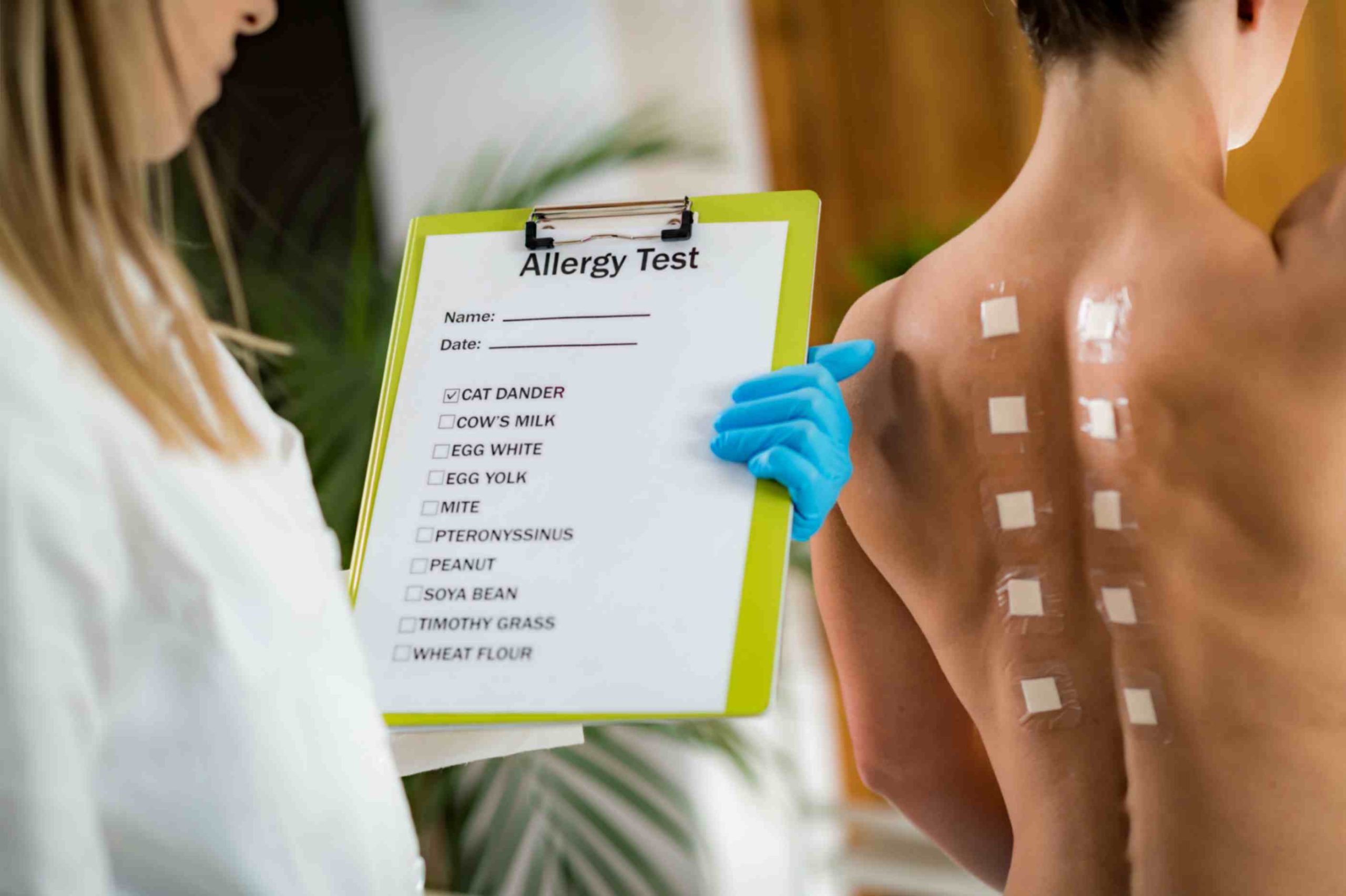
- Skin Prick Tests (SPT): This is the most widely used and often the first-line diagnostic test for allergies. During an SPT, a tiny drop of liquid containing a specific allergen protein is placed on the skin, typically on the arm or back. The skin beneath the drop is then gently pricked to allow the liquid to penetrate just below the surface. After 15 to 30 minutes, the site is examined for a reaction. The formation of a red, itchy bump, resembling a mosquito bite, indicates a potential allergy to that specific substance. Multiple allergens can be tested simultaneously using this quick and efficient method, providing rapid insights into potential triggers.
- Allergy Blood Tests (IgE): These tests measure the levels of immunoglobulin E (IgE) antibodies in the blood. The immune system produces specific types of IgE in response to different allergens. Elevated levels of IgE related to a particular food or environmental substance can suggest an allergy. However, it is important to note that the quantity of IgE in the blood alone cannot definitively confirm an allergy or predict its severity. Therefore, blood tests are frequently used in conjunction with other diagnostic methods to provide a more comprehensive picture, especially when skin tests are not feasible or conclusive.
- Oral Food Challenge (OFC): Considered the most accurate method for diagnosing food allergies, the oral food challenge involves the supervised, gradual consumption of increasing amounts of a suspected food allergen. This test is performed under strict medical supervision due to the inherent risk of triggering a severe allergic reaction. If the body does not react to the food, an allergy can be ruled out. Conversely, if an allergic reaction occurs, the food allergy is confirmed, and immediate treatment is administered. This gold-standard test is typically reserved for cases where other tests are inconclusive or when confirming the resolution of an allergy, and it requires the expertise of a specialized Food allergy specialist Lebanon.
- Food Elimination Diet: This diagnostic approach is typically conducted at home under the guidance of an experienced medical professional. It involves temporarily removing specific suspected foods from the diet for a period, usually two to four weeks. During this time, the patient’s symptoms are closely monitored. If symptoms disappear, the suspected foods are then gradually reintroduced, one at a time. A recurrence of symptoms upon reintroduction strongly suggests an allergy to that food. This method, combined with skin or blood tests, can be helpful in diagnosing both IgE-mediated food allergies and related gastrointestinal disorders. However, it is crucial that an elimination diet is only undertaken with expert medical supervision, especially for individuals with a history of severe allergic reactions.
Addressing Challenges in Allergy Diagnosis within the Lebanese Healthcare Landscape
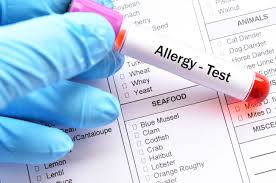 While a range of sophisticated diagnostic tools is available, their effective and widespread application in Lebanon faces several significant hurdles. These challenges underscore the critical need for highly skilled and patient-educating allergists, particularly an allergist Beirut who understands the local context.
- Diagnostic Gaps: Despite the availability of advanced tests, there is an observed underutilization of certain gold-standard diagnostic methods. For instance, patch testing, essential for differentiating Atopic Dermatitis from Allergic Contact Dermatitis, and nasal provocation testing for Allergic Rhinitis, are rarely performed. This is often due to limited availability of specialized equipment, a lack of widespread awareness among general practitioners, or the inherent complexity of these tests. This gap means that many patients may not receive the most precise diagnosis possible.
- Complexity of Symptoms: Diagnosing conditions like asthma is complicated by the variability and non-specific nature of its clinical manifestations, such as wheezing, shortness of breath, cough, and chest tightness. These symptoms can fluctuate over time, potentially leading to both underdiagnosis, where cases are missed, and overdiagnosis, where other conditions are mistakenly identified as asthma. Similarly, rhinitis-like symptoms can stem from non-IgE mediated mechanisms or mucosal hyperreactivity, requiring a nuanced and expert assessment beyond standard allergy tests. This complexity highlights the need for a highly experienced medical professional.
- Public Misconceptions: A significant challenge lies in widespread public misunderstanding regarding allergies. For example, many individuals mistakenly equate lactose intolerance with milk allergy, or believe that simply removing an allergen from a food after contact makes it safe to consume. These prevalent misconceptions can lead to ineffective self-management, delayed professional consultation, and potentially dangerous allergic reactions, hindering proper Allergy Treatment.
- Food Labeling Issues: For food allergy sufferers, effective allergen avoidance is paramount, which relies heavily on clear food labeling. However, many Lebanese consumers report difficulty understanding food labels due to issues such as complex language, small font sizes, and unfamiliar E-code numbers for additives. This systemic barrier significantly hinders a patient’s ability to safely manage their condition through dietary avoidance, emphasizing the need for expert guidance from a Food allergy specialist Lebanon.
The confluence of diagnostic challenges, including the underutilization of advanced tests and the complex presentation of symptoms, coupled with pervasive public misconceptions, creates a substantial barrier to accurate and timely allergy care in Lebanon. This situation highlights the paramount importance of an allergologist who not only possesses advanced diagnostic capabilities but is also deeply committed to patient education and adept at navigating these systemic and societal obstacles. Prof. Tomb’s profound academic background and unwavering commitment to ethical practice uniquely position him to address these complexities, ensuring comprehensive allergy diagnosis and empowering patients with accurate information and effective guidance. His expertise makes him the best allergist Lebanon for navigating these intricate health concerns.
Effective Allergy Treatment and Management: A Holistic Approach
Overview of Modern Allergy Treatment Strategies
Effective Allergy Treatment is a dynamic and multifaceted process, integrating various strategies to not only alleviate immediate symptoms but also to improve long-term tolerance and enhance overall quality of life. The approach often combines meticulous allergen avoidance, targeted medication, and, increasingly, advanced immunotherapy techniques. The goal of comprehensive management of allergic diseases and conditions extends beyond symptomatic relief to addressing the underlying immune response that causes the allergic reaction. This holistic perspective is crucial for sustained well-being.
Medication-Based Solutions
Pharmacological interventions play a crucial role in controlling allergic symptoms and preventing severe reactions. These medications can provide significant relief and are often a primary component of an Allergy Treatment plan.
- Antihistamines: These medications work by blocking histamine, a chemical released by the immune system during an allergic reaction. By doing so, they effectively reduce common symptoms such as itching, sneezing, and a runny nose. Antihistamines are available in various forms, including oral tablets (e.g., fexofenadine, loratadine, cetirizine) and nasal sprays (e.g., azelastine, olopatadine), offering flexibility in administration and targeting specific symptom pathways.
- Corticosteroids: Highly effective for managing inflammation associated with allergies, nasal corticosteroids are particularly beneficial for hay fever symptoms. They are administered as nasal sprays (e.g., fluticasone propionate, mometasone furoate) and work to reduce swelling and irritation in the nasal passages. For skin allergies, topical corticosteroids in cream or ointment form are frequently prescribed to alleviate redness, itching, and inflammation. These medications provide potent anti-inflammatory effects.
- Decongestants: These medications provide temporary relief from nasal stuffiness and congestion by narrowing blood vessels in the nasal passages. While effective for short-term use, prolonged use of decongestants is generally discouraged due to potential rebound congestion and other side effects that can worsen symptoms over time.
- Other Medications: Leukotriene modifiers are another class of drugs that help reduce allergy symptoms by blocking specific inflammatory chemicals in the body, offering an alternative pathway for symptom control. For individuals at risk of Severe Allergic Reactions due to food allergies, adjunctive medications such as inhaled beta-agonists may be used to manage respiratory symptoms during a reaction. Furthermore, omalizumab injections can be prescribed to reduce the risk of severe reactions in cases of accidental exposure to food allergens, providing an additional layer of protection for high-risk patients.
Immunotherapy Options: Addressing the Root Cause
Immunotherapy represents a groundbreaking approach to Allergy Treatment by aiming to modify the immune system’s response to allergens, rather than merely suppressing symptoms. This preventive treatment can build long-term tolerance, potentially preventing the development of new allergies and halting the progression of existing allergic diseases, such as allergic rhinitis advancing to eczema or asthma. This is the only treatment that can fundamentally change the immune system’s reaction.
- Allergy Shots (Subcutaneous Immunotherapy – SCIT): This is the most established and highly effective form of allergen immunotherapy. It involves a series of regular injections containing gradually increasing doses of the specific allergens to which the patient is sensitive. Administered in a board-certified allergist’s office, this process helps the immune system build tolerance to the allergens, significantly reducing symptoms over time. While initial improvements may be seen within 6-12 months, the full benefits typically require a commitment of 3-5 years of regular treatment, making it a significant but rewarding investment in long-term health.
- Sublingual Immunotherapy (SLIT): As an alternative to injections, SLIT involves taking daily tablets that dissolve under the tongue. These tablets contain allergen extracts and work similarly to allergy shots by boosting the body’s tolerance to specific allergens. SLIT tablets are currently approved for treating allergies to grass and ragweed pollens, as well as house dust mites, offering a convenient home-based treatment option for suitable patients.
- Oral Immunotherapy (OIT) for Food Allergies: OIT is an innovative and relatively new approach specifically for food allergies. It involves the supervised administration of tiny, gradually increasing amounts of a specific food allergen. The goal is to desensitize the patient’s immune system, building a tolerance that can eventually provide “bite-proof” protection against accidental exposure. This treatment must be conducted under strict medical supervision due to the risk of allergic reactions, and it is a specialized service offered by a Food allergy specialist Lebanon.
The challenge of polysensitization, where patients are sensitive to multiple allergens , underscores the critical need for highly personalized and expert-driven immunotherapy strategies. The variability in clinical management for polysensitized patients worldwide, with no universal recommendations, highlights that effective treatment in such complex cases relies heavily on the individual’s expertise, judgment, and ability to formulate tailored allergen mixtures. This means that a deep understanding of immunology and a nuanced approach are paramount. Prof. Tomb’s extensive research background and his standing as a leading medical professional in Lebanon uniquely qualify him to navigate these intricate polysensitization cases, offering customized and effective Allergy Treatment that extends beyond standard protocols. This capability further solidifies his reputation as the best allergist Lebanon.
Lifestyle Adjustments and Allergen Avoidance for the Management of Allergic Diseases and Conditions
Beyond medical interventions, proactive lifestyle adjustments and diligent allergen avoidance are fundamental to effective allergy management. These strategies empower patients to take control of their environment and reduce their exposure to triggers.
- Environmental Control: Minimizing exposure to allergic triggers in the home and workplace is paramount. For individuals with Dust Mite Allergy Lebanon, this involves specific strategies such as using allergy-proof mattress and pillow covers, washing all bedding weekly in hot water (at least 130°F/60°C) to kill mites and remove allergens, maintaining indoor humidity levels below 50% using dehumidifiers or air conditioners, and utilizing high-efficiency particulate air (HEPA) filters in HVAC systems to remove airborne allergens. Regular vacuuming of carpets and upholstered furniture with microfilter bags, and wiping down hard surfaces with a damp or oiled cloth, and reducing household clutter are also crucial steps to prevent allergen accumulation. For pollen allergies, keeping windows closed and using air conditioning, especially during high pollen seasons, is highly recommended to limit indoor exposure.
- Dietary Management: For diagnosed food allergies, strict avoidance of identified allergens is the primary and most critical management strategy. This necessitates meticulous label reading for all packaged foods, exercising extreme caution when dining at restaurants by inquiring about ingredients and preparation methods, and ensuring that all caregivers, schools, and daycare providers are fully educated about the allergy and emergency protocols. This vigilance is key to preventing accidental exposure and Severe Allergic Reactions.
- Skin Care: For individuals suffering from skin allergies, a consistent skincare regimen is vital. This includes frequent baths or showers (limited to about 10 minutes with lukewarm water) followed immediately by thorough moisturization to lock in hydration. Choosing mild, unscented soaps and moisturizers and diligently avoiding known irritants or allergens that can exacerbate symptoms are crucial steps in managing conditions like eczema and contact dermatitis. This is a key component of Skin Allergy Treatment.
- Emergency Preparedness: For anyone at risk of Severe Allergic Reactions, carrying an epinephrine auto-injector (e.g., EpiPen® or Auvi-Q®) at all times is absolutely vital. Patients and their caregivers must be thoroughly trained on how and when to administer this life-saving medication at the first sign of anaphylaxis, and they should always seek immediate emergency medical attention after administering epinephrine.
Specialized Allergy Care: Addressing Key Concerns in Beirut and Beyond
Skin Allergies: Understanding Causes, Symptoms, and Effective Skin Rash Treatment Beirut
Skin allergies are a common and often distressing manifestation of allergic reactions, significantly impacting an individual’s comfort and quality of life. These conditions typically present as red, bumpy, and intensely itchy skin, and can be triggered by a wide array of allergens. Common culprits include contact with certain plants (like poison ivy), allergic reactions to medications or foods, and exposure to metals like nickel (often found in jewelry), adhesives, nail polish, or latex gloves. In some instances, an allergen may only cause a skin reaction when the skin is also exposed to sunlight, leading to photoallergic contact dermatitis, which can be triggered by cosmetics, sunscreen, or perfumes.
The most common types of skin allergy reactions treated by an allergist include:
- Eczema (Atopic Dermatitis): Characterized by dry, sensitive skin that can experience intensely itchy patches. Flare-ups may lead to cracking, oozing, and severe itching, with severity ranging from mild dryness to red, scaly, thickened, and fissured skin. Individuals with eczema often have a family history of allergies.
- Hives (Urticaria): These are raised, red, and intensely itchy bumps or welts that can appear anywhere on the body. The condition is termed acute urticaria if it lasts for no more than six weeks, often triggered by an allergen or infection. Chronic urticaria, conversely, persists beyond six weeks, frequently with an unknown underlying cause.
- Contact Dermatitis: This condition is typically caused by direct exposure of the skin to an allergen or irritant, resulting in red, itchy patches, especially at the site of contact.
Symptoms of skin allergies often include painful itchiness, redness, dryness, cracking, scaling, blistering, oozing, crusting, and flaking of the skin. Scratching can lead to further irritation and infection. Effective Skin Allergy Treatment begins with accurate diagnosis by a board-certified allergist or dermatologist. Treatment strategies involve identifying and strictly avoiding the triggers, maintaining a consistent skincare routine with frequent baths followed by immediate moisturization, and the use of prescribed topical creams or oral medications like antihistamines to alleviate discomfort. Prof. Tomb’s unique dual specialization in Dermatology and Allergology makes him exceptionally qualified to provide comprehensive Skin Allergy Treatment and Skin rash treatment Beirut, ensuring that patients receive integrated and highly effective care for these complex conditions.
Food Allergies: Common Food Allergens in Lebanon, Symptoms, and the Expertise of a Food Allergy Specialist Lebanon
Food allergies are immune-mediated reactions that can range from mild, localized symptoms to life-threatening systemic responses, including anaphylaxis. These reactions occur when the immune system mistakenly identifies certain food proteins as harmful. In Lebanon, the prevalence of food allergies is estimated to be 4.1% in infants and children and 3.2% in adults. Disturbingly, only about half of individuals experiencing food allergy symptoms sought medical advice, highlighting a significant gap in healthcare access or awareness that a dedicated Food allergy specialist Lebanon can help bridge.
Common Food Allergens in Lebanon: Local studies provide specific insights into the most prevalent food allergens affecting the Lebanese population. Fruits are identified as the most common food allergens, accounting for 35% of cases, followed by eggs (19%) and nuts (16%). Cow’s milk and spices also rank significantly at 14%. Other notable allergens include wheat, shellfish, and fish. This specific prevalence of certain allergens, such as fruits being a top food allergen, allows for highly targeted and actionable advice for the local population, making the expertise of a local allergist even more critical.
Symptoms of Food Allergies: Symptoms can be localized or systemic. Localized symptoms often include itching, tingling, and swelling of the lips, tongue, mouth, and throat, typically resolving within minutes to hours. Systemic reactions can involve multiple organ systems, presenting as skin manifestations (hives, swelling), gastrointestinal issues (nausea, vomiting, abdominal pain, diarrhea), respiratory problems (wheezing, shortness of breath, coughing, nasal congestion), and cardiovascular symptoms (tachycardia, fainting, dangerously low blood pressure). A profound “sense of impending doom” can also precede severe reactions, signaling an impending emergency. These Allergy Symptoms can vary widely in intensity.
Management of Food Allergies: Strict avoidance of identified allergens is the cornerstone of management. This requires careful reading of ingredient labels, especially for pre-made foods, and caution at restaurants. Patients at risk of severe reactions must carry an epinephrine auto-injector for emergencies, and both patients and caregivers should be educated on its proper use. Advanced treatment options like Oral Immunotherapy (OIT) and Sublingual Immunotherapy (SLIT) are available to help build tolerance and reduce the risk of severe reactions from accidental exposure. A Food allergy specialist Lebanon like Prof. Tomb can provide tailored dietary plans, comprehensive patient education, and crucial emergency preparedness strategies, ensuring the safety and well-being of individuals with food allergies.
Allergic Conjunctivitis Lebanon: Comprehensive Insights into Eye Allergies and Their Management
Allergic conjunctivitis, commonly known as eye allergy, is a prevalent condition that significantly impacts daily comfort and can even lead to visual decline in severe cases. It results from a combination of factors, including genetic predisposition, inflammation, exposure to air pollution, atopy, pollen, and contact with pets. In Lebanon, where environmental allergens like pollen and dust mites are common, Allergic conjunctivitis Lebanon is a frequent concern, affecting many individuals year-round or seasonally.
Symptoms of Allergic Conjunctivitis: The hallmark symptom of allergic conjunctivitis is intense itching of the eyes. This is often accompanied by redness, a burning sensation, clear watery discharge, significant tearing, and the production of thick mucus that can cause eyelids to stick together after sleep. Patients may also experience a foreign body sensation in the eye or an aversion to light (photophobia). These Allergy Symptoms can be quite debilitating.
Treatment and Management: Effective management of Allergic conjunctivitis Lebanon involves a multi-pronged approach. The first step is to diligently avoid known triggers, such as keeping windows closed during high pollen seasons and utilizing air conditioning in homes and cars. Symptomatic relief can be achieved through the frequent application of artificial tears to wash away allergens and cool compresses to alleviate discomfort. Medications include topical antihistamines and mast cell stabilizers, which are highly effective in reducing itching, redness, and swelling. In more severe or refractory cases, short courses of topical corticosteroids may be prescribed under specialist supervision. Oral antihistamines can also be used for severe systemic symptoms, with non-sedating options preferred for daily use. For long-term management and to address the underlying allergic response, immunotherapy (allergy shots) can be a beneficial option, helping to build tolerance over several months. For residents facing Allergic conjunctivitis Lebanon, expert guidance from an allergist is crucial for tailored and effective relief.
Dust Mite Allergy Lebanon: Prevention and Treatment Strategies for This Common Indoor Allergen
Dust mites are microscopic pests that thrive in humid environments and are a significant source of indoor allergens worldwide, including in Lebanon. Their prevalence is particularly high in urban areas like Beirut, where living conditions can increase exposure and sensitization to these pervasive allergens.
Symptoms of Dust Mite Allergy: Symptoms are predominantly respiratory and can significantly impact daily life. They include congestion, persistent coughing, an itchy mouth, nose, or throat, postnasal drip, red, itchy, and watery eyes, a runny nose, frequent sneezing, and wheezing (a whistling or gasping sound during breathing). Dust mite allergy can also exacerbate existing asthma symptoms, leading to increased difficulty breathing and chest tightness. These are common Allergy Symptoms for this condition.
Prevention Strategies: Effective prevention for Dust Mite Allergy Lebanon focuses on minimizing exposure to these pervasive allergens. Key strategies include:
- Allergy-Proof Bedding: Encasing mattresses, pillows, and box springs in tightly woven, allergy-proof covers prevents dust mites from colonizing or escaping.
- Regular Washing: Washing all bedding, including sheets, blankets, and pillowcases, once a week in hot water (at least 130°F/60°C) effectively kills dust mites and removes allergens. If hot washing isn’t possible, drying items at high heat for at least 15 minutes can also kill mites.
- Humidity Control: Maintaining indoor humidity levels below 50% using dehumidifiers or air conditioners inhibits dust mite reproduction, as they thrive in humid conditions.
- Air Filtration: Using high-efficiency particulate air (HEPA) filters in vacuum cleaners and HVAC systems helps remove dust mite allergens from the air, preventing them from recirculating.
- Regular Cleaning: Vacuuming carpets and upholstered furniture at least twice a week with a microfilter vacuum bag, and wiping down hard surfaces with a damp or oiled cloth, and reducing household clutter are also crucial steps to prevent allergen accumulation.
- Reducing Clutter: Removing knickknacks, excessive books, magazines, and newspapers from bedrooms can significantly reduce dust-collecting surfaces and thus dust mite habitats.
- Flooring Choices: Replacing wall-to-wall carpeting with hard surfaces like tile, wood, linoleum, or vinyl flooring, especially in bedrooms, can greatly reduce dust mite populations, as carpets provide an ideal habitat.
Treatment: While avoidance is primary, medications can alleviate symptoms. These include oral and nasal antihistamines, nasal corticosteroids, and decongestants. For long-term relief and to build tolerance, immunotherapy (allergy shots or sublingual drops) can be highly effective, gradually reducing symptoms over time and potentially offering a 3- to 5-year commitment for maximum benefit. For those suffering from Dust mite allergy Lebanon, a comprehensive and diligent approach combining environmental control and medical treatment is vital for achieving significant relief.
Why Prof. Roland Tomb Stands Out as the Best Allergist Lebanon
Prof. Roland Tomb’s Extensive Background in Allergology, Dermatology, and Research
Prof. Roland Tomb is a distinguished medical leader whose expertise spans multiple critical domains, making him a prime candidate for the best allergist Lebanon. His academic journey includes graduating from prestigious institutions in Paris and Strasbourg, where he specialized in Dermatology, Allergology, and Pharmacology. This multidisciplinary foundation is a significant asset, particularly for patients experiencing skin-related allergic conditions, as it allows for an integrated understanding and treatment approach that many specialists cannot offer. His dual specialization means he can address the complex interplay between internal allergic responses and their external manifestations on the skin.
Currently, Prof. Tomb chairs the Department of Dermatology at Université Saint-Joseph (USJ) and serves as a professor and practitioner at Hôtel-Dieu de France (HDF), where he also heads the Dermatology Department. His profound academic and clinical foundation is further underscored by his authorship of hundreds of papers published in esteemed international journals, with a particular focus on clinical and fundamental dermatology and allergology. This extensive publication record ensures that his practice is rooted in the latest scientific advancements and evidence-based medicine, providing patients with care that reflects cutting-edge understanding. This unique combination of clinical expertise in both Allergology and Dermatology, supported by extensive research, allows for integrated Skin Allergy Treatment and a more holistic approach to patient care, solidifying his reputation as the best allergist Lebanon.
His Commitment to Cutting-Edge, Patient-Centric Care in Beirut

Prof. Tomb’s practice is defined by its unwavering commitment to providing tailored solutions grounded in years of dedicated research, particularly for complex skin allergies. His clinic, conveniently located in Ashrafieh, Beirut, provides a comprehensive spectrum of allergy services. These include advanced Allergy testing Lebanon, such as skin testing, and state-of-the-art allergen immunotherapy. The comprehensive approach to allergy diagnosis and Allergy Treatment extends to his affiliations with leading institutions like Hôtel-Dieu de France Hospital, where care encompasses a detailed patient history, various diagnostic tests (including skin, prick, intradermal, patch, and provocation tests), and diverse treatment modalities such as medication, vaccination, and immunotherapy (both injection and oral forms). This comprehensive and personalized approach ensures that each patient receives the most effective and individualized management of allergic diseases and conditions. He is truly a leading allergist Beirut.
His Contributions to Medical Education and Bioethics, Ensuring a Holistic and Ethical Approach to Patient Well-being
Beyond his clinical and research endeavors, Prof. Tomb holds a Ph.D. in Philosophy and Ethics from Aix-Marseille University. He also chairs the Department of Ethics and Bioethics at USJ and the IRB and Ethics Committee of Hôtel-Dieu de France. This unique blend of medical and ethical expertise means that the care provided is not only scientifically advanced but also deeply rooted in ethical considerations and a holistic understanding of patient well-being. His significant role as Honorary Dean of the Faculty of Medicine at USJ for 12 years further highlights his leadership and unwavering commitment to fostering medical excellence in Allergology Lebanon.
This unique blend of clinical expertise, extensive research, and a strong foundation in bioethics and medical education positions Prof. Tomb not just as a skilled practitioner but as a true thought leader. He is able to offer truly holistic and ethically sound care, which is particularly valuable in a healthcare system facing significant challenges, where patient trust and informed consent are paramount. Patients benefit from a practitioner who considers not just their symptoms but the broader implications of their health and treatment choices, offering a level of care that is both medically advanced and deeply humane. This comprehensive profile elevates him beyond a typical allergist to a trusted authority, making him the quintessential best allergist Lebanon.
Tailored Solutions and Personalized Care Plans Offered by Prof. Roland Tomb
Recognizing that every patient’s allergic journey is distinct, Prof. Tomb places a strong emphasis on individualized care. This personalized approach is particularly vital given the complexities of polysensitization, where individuals are sensitive to multiple allergens , and the varied ways in which Allergy Symptoms can present. His profound expertise enables the creation of precise diagnostic and treatment pathways. From intricate Allergy testing Lebanon to advanced immunotherapy, Prof. Tomb ensures the most effective and personalized Allergy Treatment for each individual. He understands that a “one-size-fits-all” approach is rarely effective in Allergology. This dedication to customized care is a hallmark of the best allergist Lebanon.
Taking Control of Your Allergies: When to Consult an Allergist
Recognizing When to Seek Professional Help from an Allergist (Allergologist)
If an individual experiences persistent or worsening Allergy Symptoms that significantly interfere with daily life, it is a clear indication to seek consultation with a specialist. These symptoms can include chronic runny nose, frequent sneezing, itchy or watery eyes, recurring skin rashes, digestive issues consistently occurring after consuming certain foods, or any signs indicative of Severe Allergic Reactions. These persistent issues often signal an underlying allergic condition that requires professional allergy diagnosis. Delaying professional evaluation can lead to the progression of allergic conditions, the development of new sensitivities, and potential complications that could have been avoided with timely intervention. Early consultation with a qualified medical professional can prevent symptoms from becoming debilitating, improve long-term outcomes, and enhance overall well-being. This proactive step is crucial for effective management of allergic diseases and conditions.
The Benefits of Consulting a Best Allergist for Long-Term Relief
Consulting a qualified allergologist offers numerous benefits for achieving long-term relief and effective management of allergic diseases and conditions:
- Accurate Diagnosis: A specialist utilizes advanced Allergy testing Lebanon methods to precisely identify the specific triggers of allergic reactions. This accuracy is fundamental to effective Allergy Treatment, as it allows for targeted interventions rather than broad, often ineffective, approaches.
- Personalized Treatment Plans: Based on a precise diagnosis, a medical professional can tailor comprehensive treatment plans, which may include specific medications, customized immunotherapy regimens, and detailed allergen avoidance strategies, ensuring the most effective Allergy Treatment. This personalized approach acknowledges the unique nature of each patient’s allergic profile.
- Education and Empowerment: A key role of the allergist is to educate patients about their condition, helping them understand their triggers, implement effective management techniques, and respond appropriately to reactions, including vital emergency preparedness for severe cases. This empowers patients to take an active role in their own health.
- Holistic Care: Allergies often present with interconnected conditions. An expert allergist provides holistic care, addressing the links between various allergic manifestations, such as the relationship between food allergies and atopic dermatitis , or allergic rhinitis and asthma. This integrated approach ensures that all aspects of a patient’s allergic health are considered. Consulting the best allergist ensures comprehensive care.
How Prof. Roland Tomb Can Guide Your Journey to a Better Quality of Life
With his profound expertise in Allergology, extensive experience in Dermatology, and a patient-first philosophy, Prof. Roland Tomb is uniquely positioned to guide individuals through their allergic journey. Whether the need is for precise allergy diagnosis, comprehensive Skin Allergy Treatment, specialized care from a Food allergy specialist Lebanon for dietary concerns, relief from Allergic conjunctivitis Lebanon, or effective strategies for Dust mite allergy Lebanon, Prof. Tomb offers the expert care required. His clinic in Beirut is equipped to provide the highest standard of Allergology Lebanon services, dedicated to helping patients achieve lasting relief and a significantly improved quality of life. He is widely regarded as the best allergist Lebanon.
Conclusion: Your Partner in Allergy Health Prof. Roland Tomb
Living with allergies can present significant daily challenges, often impacting quality of life and overall well-being. However, it does not have to dictate one’s life. The inherent complexities of Allergic Reactions, the intricate nuances involved in allergy diagnosis, and the broad spectrum of available Allergy Treatment options collectively underscore the vital and indispensable role of a specialized allergist. Investing in expert care is a direct investment in one’s long-term health and overall well-being, providing the tools and knowledge necessary to manage and overcome allergic burdens.
For those in search of the best allergist Lebanon, Prof. Roland Tomb stands out as an unparalleled expert. His comprehensive knowledge in Allergology, seamlessly integrated with his distinguished background in Dermatology, extensive research contributions, and profound commitment to bioethics, ensures that patients receive the most advanced, ethical, and personalized care available in the region. From addressing specific and often distressing concerns such as Skin rash treatment Beirut and the specialized needs of a Food allergy specialist Lebanon, to providing holistic and proactive management of allergic diseases and conditions, Prof. Tomb is dedicated to empowering individuals to navigate their allergies with confidence. His unwavering commitment to excellence and patient-centered practice makes him the definitive best allergist Lebanon for anyone seeking to achieve a life significantly free from the constant burden of allergic symptoms. Contact us here if you have any question.