Skin Allergy Specialist Lebanon : Conquer Your Allergies
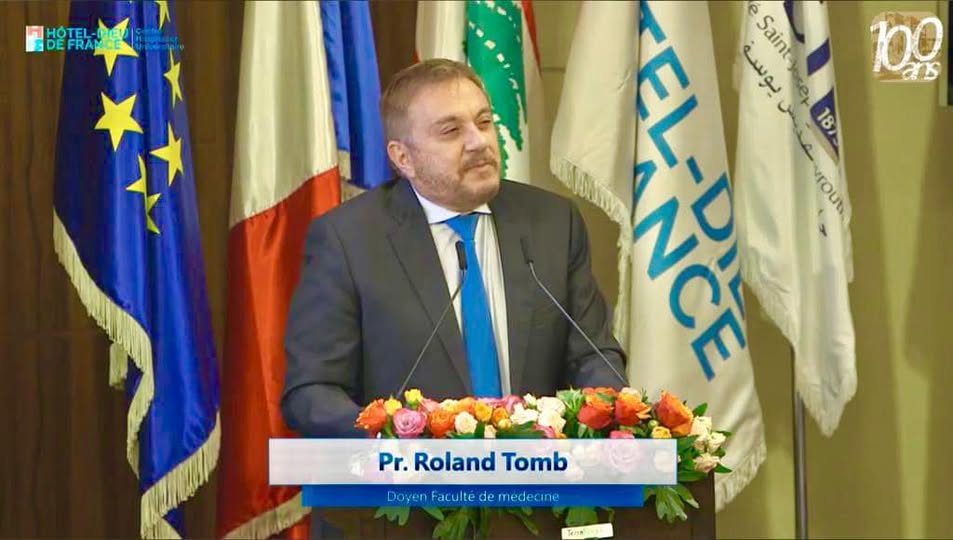
Skin Allergy Specialist Lebanon: 5 Definitive Care Solutions In a region defined by dynamic environments, from the coastal humidity of Beirut to the dry air of the mountains, skin allergies are a pervasive and often debilitating concern. Far beyond mere cosmetic issues, these conditions ranging from chronic, relentless itching to severe systemic reactions significantly degrade quality of life. Finding truly definitive care requires more than just a physician; it demands a convergence of clinical mastery, cutting-edge research, and a deep understanding of the underlying immune response. This is precisely the philosophy driving Skin Allergy Specialist Lebanon services under the leadership of Prof. Roland Tomb. A physician-scientist and recognized leader in both dermatology and medical research, Prof. Roland Tomb offers a level of expertise that stands apart in the Middle East. This post explores the meticulous, multi-disciplinary approach required to conquer the most challenging skin allergies. The Nexus of Care: Dermatological Allergology Beirut Effective treatment for allergic skin conditions cannot exist in a silo. It requires a synthesis of two distinct, yet interdependent, medical fields: dermatology and allergology. This combined discipline, known as Dermatological Allergology Beirut, is the foundation of Prof. Tomb’s practice. The skin is the body’s largest organ and its first line of defense. When environmental factors, food, or contact irritants trigger a reaction, the visible symptoms on the skin are merely the outward manifestation of a complex internal immune system imbalance. This is why many skin conditions are often misdiagnosed or poorly managed when viewed solely through a traditional dermatological lens. Dermatological Allergology Beirut ensures that every patient benefits from expertise focused equally on the health of the skin barrier and the function of the immune system. For residents of the capital and the surrounding region, having a world-class Skin Allergy Specialist Lebanon focused on this dual specialty means receiving care rooted in a holistic understanding of the disease, not just the symptom. The urban environment of Beirut presents unique challenges, including pollutants, varied humidity levels, and common regional allergens, all of which necessitate the specific, integrated diagnostic methods employed in Dermatological Allergology Beirut. Mastering Chronic Skin Allergy Management Many patients seek a Skin Allergy Specialist Lebanon after years of failed treatments for persistent conditions. They often cycle through topical steroids and generic antihistamines, finding only temporary relief. This struggle highlights the critical difference between symptom suppression and genuine, effective Chronic Skin Allergy Management. True Chronic Skin Allergy Management focuses on identifying the complex, often hidden, factors that sustain chronic inflammation. These factors can include everything from genetic predispositions and hormonal fluctuations to undetected environmental triggers. For a Skin Allergy Specialist Lebanon like Prof. Tomb, Chronic Skin Allergy Management is not a short-term fix; it is a meticulously planned, long-term partnership with the patient. This involves careful monitoring, adjusting pharmacological strategies, and making informed lifestyle recommendations to stabilize the skin’s immune environment. Effective Chronic Skin Allergy Management requires patience, precision, and dedication all hallmarks of the care provided. Precise Diagnosis: Allergy Patch Testing Beirut and Contact Dermatitis One of the most common, yet most challenging, conditions managed by a Skin Allergy Specialist Lebanon is allergic contact dermatitis. This condition results from a delayed hypersensitivity reaction, often caused by everyday substances like metals (nickel), preservatives, fragrances, rubber components, or chemicals found in personal care products. The rash is typically intensely itchy, red, and often localized to the area of contact, but it can spread. Pinpointing the exact allergen is non-negotiable for achieving a cure. This is where Allergy Patch Testing Beirut becomes an indispensable tool. Unlike immediate skin prick tests for inhaled allergens, Allergy Patch Testing Beirut involves applying small patches containing standardized concentrations of common allergens to the patient’s back for 48 hours. The skin is then read at 48 and 72 hours (and sometimes later) to determine which substance provoked a delayed reaction. This precise, systematic approach is vital for Contact Dermatitis Treatment Beirut. Without accurate Allergy Patch Testing Beirut, Contact Dermatitis Treatment Beirut often fails because the patient continues to unknowingly expose themselves to the trigger. Once the specific allergen is identified, the path to recovery becomes clear: complete avoidance. However, this is easier said than done, as many allergens are hidden in commercial products. The comprehensive follow-up guidance provided by the practice ensures patients receive the necessary support to implement allergen-free lifestyles, making Contact Dermatitis Treatment Beirut successful and lasting. The dedication to this meticulous diagnostic step underscores the commitment to providing definitive solutions for every patient seeking a Skin Allergy Specialist Lebanon. Condition Focus: Eczema, Hives, and Paediatric Concerns The scope of a leading Skin Allergy Specialist Lebanon encompasses a wide array of specific conditions, each requiring its own nuanced approach: Eczema and Atopic Dermatitis Specialist Care Atopic Dermatitis, commonly known as eczema, is one of the most prevalent and complex chronic inflammatory skin conditions. It is characterized by dry, intensely itchy skin, often appearing on the hands, feet, face, and in the creases of the elbows and knees. As an Eczema and Atopic Dermatitis Specialist, Prof. Tomb approaches this condition not just as a skin barrier issue, but as a systemic problem often linked to asthma, hay fever, and other allergies a concept known as the “Atopic March.” Successful management by an Eczema and Atopic Dermatitis Specialist integrates: Barrier Repair: Utilizing advanced emollients and prescription topicals to strengthen the skin’s protective function. Inflammation Control: Employing the latest systemic medications, including cutting-edge biologics, for moderate-to-severe cases. Trigger Identification: Using comprehensive testing to rule out external allergens that might be worsening the condition. The dual training of an Eczema and Atopic Dermatitis Specialist is critical here, ensuring that both the skin inflammation and the underlying immune dysregulation are addressed concurrently. Urticaria (Hives) Treatment Lebanon Urticaria (Hives) Treatment Lebanon addresses the sudden, intensely itchy, raised red welts that can appear anywhere on the body. While acute urticaria often resolves on its own, chronic spontaneous urticaria (CSU) can persist for months or years, severely impacting sleep and daily function. Effective Urticaria (Hives) Treatment Lebanon relies on
Allergologist: Elite Mastery for Allergy Relief

Allergologist & Allergology: The Mastery of Ethical and Dermatology-Backed Allergy Specialization in Lebanon. Allergies are often dismissed as chronic inconveniences, yet they are, in fact, complex systemic immune disorders that profoundly diminish quality of life and, left untreated, can pose significant health risks. Effective management of this rising global health challenge requires a specialist who possesses not only deep knowledge of the immune system but also an understanding of the intricate links between internal allergic responses and their physical manifestations, particularly on the skin. Achieving lasting relief and sustained wellness requires the expertise of the Best Allergologist Lebanon, a professional whose practice is rooted in rigorous science, ethical governance, and personalized patient care. For patients in Lebanon and the wider region, the convergence of clinical mastery, advanced research, and high ethical standards is embodied by Prof. Roland Tomb. His unique dual specialization in Dermatology and Allergology provides a crucial advantage in diagnosing and treating the multifaceted nature of allergic diseases and conditions. He approaches Allergology not as a single field, but as an integrated discipline, ensuring that every treatment plan for skin, respiratory, or food allergies is comprehensive and medically sound. Those seeking the definitive answer to their persistent allergic burdens are inevitably searching for the Best Allergist Lebanon a search that leads to a physician capable of offering true Dermatology-Backed Allergy Care. The Integrated Approach: Dermatology-Backed Allergy Care The skin is the body’s largest organ and often the primary stage for allergic distress. Conditions like eczema, contact dermatitis, and chronic urticaria (hives) are clear demonstrations of systemic immune dysfunction. Therefore, the most effective therapeutic strategies must seamlessly link the science of Allergology with the practice of Dermatology. This crucial intersection is the core philosophy of Dermatology-Backed Allergy Care. An Allergologist who is also a dermatologist, such as Prof. Roland Tomb, is uniquely positioned to address the complex interplay between internal triggers (food, dust mites, pollen) and external manifestations (Skin Allergy Treatment Beirut). Why does this combined expertise matter when choosing the Best Allergologist Lebanon? Dual Perspective: A standard Allergologist may identify the allergen (e.g., dust mites) but lack the clinical expertise to manage the resulting severe skin inflammation and damage. Conversely, a dermatologist without advanced Allergology training might treat the skin symptoms but miss the underlying immune cause. Precision Diagnosis: For intricate cases like Atopic Dermatitis, differentiating between internal triggers, contact allergens, and irritants requires the diagnostic tools and experience of both specialties. This ensures the patient receives targeted Skin Allergy Treatment Beirut that tackles both the acute rash and the systemic inflammation. Optimized Outcomes: By providing truly Dermatology-Backed Allergy Care, the practitioner can manage the entire disease pathway, leading to faster relief, reduced recurrence, and a significantly improved quality of life. This integrated management defines the Best Allergist Lebanon. The Ethical Benchmark: Ethical Allergy Treatment and Patient Trust In complex medical fields like Allergology, patient trust is paramount, particularly when long-term solutions like immunotherapy are considered. For Prof. Roland Tomb, this trust is guaranteed by an unwavering commitment to Ethical Allergy Treatment, a commitment that extends far beyond clinical practice. As the Vice-Chairman of the International Bioethics Committee at UNESCO , Prof. Tomb operates from a foundation of global ethical authority. This mandate informs every patient interaction, ensuring that care is not only scientifically advanced but also morally and ethically sound. When seeking Ethical Allergy Treatment, patients benefit from: Transparency in Diagnosis: The commitment to Ethical Allergy Treatment ensures that every diagnostic step, from skin prick tests to sophisticated blood work, is performed only when medically necessary, preventing unnecessary costs or procedures. Honest Treatment Planning: For advanced options like Allergy Immunotherapy Beirut, Prof. Roland Tomb ensures patients have realistic expectations about the commitment (3-5 years) and the expected outcomes, prioritizing long-term health over immediate financial gain. Informed Consent: The complex nature of Allergology demands that patients fully understand their diagnosis and treatment options. Ethical Allergy Treatment guarantees that the patient is fully empowered to make decisions about their care, free from coercive pressure. This integration of medical specialization and bioethical leadership establishes a higher standard of care, ensuring that the Best Allergist Lebanon is not just the most skilled, but the most trustworthy. This focus on ethical integrity is a critical differentiator for an Allergologist in the region. The Mastery of Diagnosis: Complex Allergy Diagnosis Lebanon Effective Allergology begins and ends with accurate identification of the trigger. Since allergic reactions can mimic other conditions or be caused by multiple factors a simple, basic test is rarely sufficient for a permanent solution. An expert Allergologist must possess the mastery required for Complex Allergy Diagnosis Lebanon. The approach involves a meticulous, step-by-step investigation to pinpoint the exact nature of the immune response: Advanced Skin Testing: Utilizing refined Skin Prick Tests (SPT) and, when necessary, intradermal tests to confirm sensitivities to a wide range of inhalant and food allergens. Molecular Component Testing: Moving beyond general allergy blood tests (IgE) to molecular diagnostics. This advanced testing identifies the specific protein components a patient is allergic to, which is vital for assessing the risk of severe reactions and formulating tailored Allergy Immunotherapy Beirut protocols. The Gold Standard Oral Food Challenge (OFC): For suspected food allergies, the OFC is the definitive method. This test requires the expertise of a Food Allergy Specialist Lebanon and the safety protocols of an institutional setting to administer suspected food allergens under strict medical supervision. This rigorous approach is crucial for Complex Allergy Diagnosis Lebanon to either confirm or confidently rule out a life-threatening allergy. A practitioner who consistently excels at Complex Allergy Diagnosis Lebanon defines the Best Allergist Lebanon. This depth of diagnostic capability ensuring that treatments are never based on guesswork is a non-negotiable component of modern Allergology. Strategic Treatment: Allergy Immunotherapy Beirut and Advanced Management While medications (antihistamines, corticosteroids) are effective for symptomatic relief, they do not address the root cause of the immune dysfunction. The ultimate goal of an Allergologist is to achieve long-term immune modification through Allergy Immunotherapy Beirut. Immunotherapy often delivered through
Best Allergist Lebanon: Your Guide to Allergy with Prof. Tomb
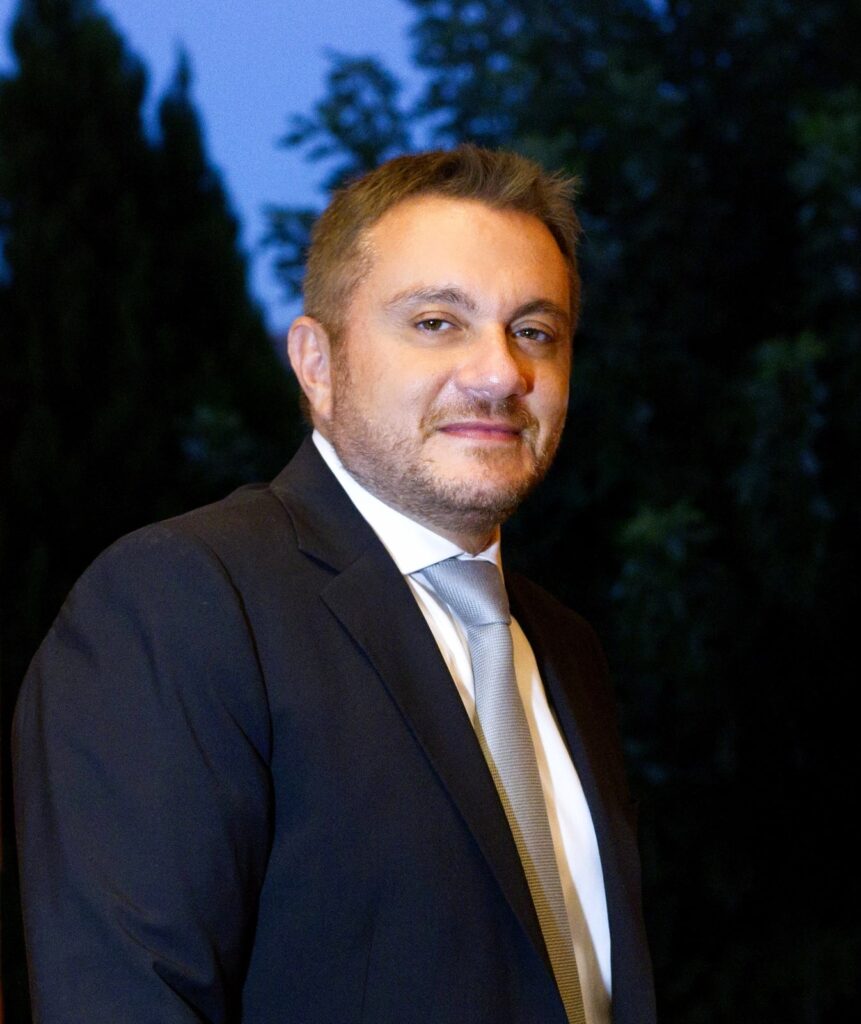
Navigating the World of Allergies in Lebanon with the best allergist. Allergies represent intricate immune system responses to substances that are typically harmless to most individuals, known as allergens. Far from being mere inconveniences, these reactions can profoundly diminish an individual’s quality of life, ranging from persistent, bothersome discomfort to severe, life-threatening emergencies. The global incidence of allergic diseases is on an upward trajectory, a trend mirrored in Lebanon, making a thorough understanding and effective management of allergic diseases and conditions more critical than ever before. This growing prevalence necessitates expert intervention and comprehensive care. Effective allergy care demands specialized knowledge and a holistic approach. Relying on self-diagnosis or generic treatments often proves insufficient, potentially leading to prolonged suffering, the exacerbation of existing conditions, and the emergence of unforeseen complications. This underscores the indispensable role of a dedicated allergist or allergologist in providing precise diagnosis and tailored treatment. For those seeking the best allergist Lebanon, the criteria extend beyond clinical skill to encompass a profound commitment to advanced care, a compassionate, patient-centered philosophy, and a deep understanding of the local healthcare landscape. A truly best allergist offers not just treatment, but a pathway to sustained well-being.Within this critical healthcare landscape, Prof. Roland Tomb stands as a distinguished physician and researcher, embodying the highest standards of medical excellence. His extensive background in both Allergology and Dermatology provides a unique and powerful advantage in addressing the multifaceted nature of allergic conditions, especially those with dermatological manifestations. His clinic in Beirut offers a beacon of hope and specialized care for individuals seeking lasting relief from their allergic burdens. The increasing prevalence of allergies, as evidenced by local studies reporting food allergy rates of 4.1% in children and 3.2% in adults, highlights a significant public health need. This growing demand for specialized care occurs within a Lebanese healthcare sector described as being in a “deep crisis,” where medical coverage can often feel like a luxury rather than a fundamental right for a large segment of the population. This challenging environment amplifies the value of highly qualified and comprehensive specialists. For individuals who are able to access private care, the expertise of a practitioner like Prof. Tomb becomes an invaluable resource, reinforcing his stature as the best allergist Lebanon and a crucial guide in navigating a complex healthcare system. This situation means that the availability of a highly skilled allergist Beirut is more important than ever. Understanding Allergic Reactions: Symptoms, Types, and Common Triggers What are Allergies? A Foundational Understanding of Allergic Reactions Allergies manifest when the body’s immune system erroneously identifies a benign substance as a threat, triggering an exaggerated response. This immune system overreaction can present in diverse ways, leading to a wide spectrum of Allergy Symptoms. These reactions can vary significantly, from localized, mild discomfort to severe, systemic responses that affect multiple bodily systems. The immune system, designed to protect the body from harmful invaders, mistakenly targets otherwise harmless substances, initiating a cascade of biochemical events that result in allergic manifestations. Common allergens that frequently provoke these reactions include tree and grass pollen, microscopic house dust mites, various foods such as peanuts, milk, and eggs, animal dander (particularly from pets like cats and dogs), insect stings (e.g., from bees and wasps), and certain medicines. Understanding these fundamental mechanisms is the first step towards effective Allergy Treatment. Common Allergy Symptoms: From Mild Discomfort to Severe Allergic Reactions Recognizing the signs of an allergic reaction is crucial for timely intervention and appropriate Allergy Treatment. Symptoms are typically categorized by their severity, offering a guide for individuals and caregivers. Mild to Moderate Symptoms: These often include a runny nose, sneezing, a feeling of pain or tenderness around the cheeks, eyes, or forehead, coughing, wheezing, or breathlessness. Skin manifestations can involve itchiness or a raised rash (hives). Gastrointestinal discomfort may present as diarrhea, nausea, or vomiting. Swelling of the face, lips, or eyes is also common, along with a tingling sensation in the mouth, particularly indicative of food allergies. These symptoms, while uncomfortable, are generally not immediately life-threatening but warrant attention from a medical professional. Severe Allergic Reactions (Anaphylaxis): It is critically important to understand that initial mild or moderate symptoms may rapidly escalate to anaphylaxis, a life-threatening systemic reaction, and sometimes, severe reactions can occur without any preceding mild signs. Anaphylaxis involves multiple organ systems and demands immediate medical attention. Warning signs include rapid or struggling breathing, a feeling of tightness in the throat, difficulty swallowing, a change in skin, tongue, or lip color to blue, grey, or pale (which may be more visible on palms or soles for individuals with darker skin tones), sudden confusion, drowsiness, or dizziness, and fainting or unresponsiveness. In children, signs might include becoming limp, floppy, or not responding normally. Immediate action, such as administering an epinephrine auto-injector, is vital. Prompt recognition of these Prevalent Allergens in Lebanon: Insights into Local Environmental and Food Triggers. Effective prevention and Allergy Treatment are significantly enhanced by understanding the specific allergens prevalent in the local environment. In Lebanon, distinct patterns of allergic triggers have been identified, which an expert allergist Beirut would be intimately familiar with. Food Allergens: Local studies indicate that fruits are frequently reported as top food allergens, accounting for 29.6% of cases, followed by wheat at 15.7%. Other significant food allergens include shellfish, fish, cow’s milk, eggs, and nuts, particularly walnuts and peanuts. Itchy skin and rash are the most commonly reported symptoms associated with food allergies in Lebanon. These findings are crucial for a Food allergy specialist Lebanon to provide targeted advice. Environmental Allergens: Dust Mite Allergy Lebanon: Dust mites represent a substantial source of allergens in Lebanon. These microscopic organisms thrive in hot, humid conditions and are commonly found in mattresses, bedding, carpets, and upholstered furniture, making them pervasive indoor allergens. A notable trend reveals that sensitization to dust mites is particularly common, with a significantly higher percentage of individuals exhibiting positive reactions residing in urban centers like Beirut. This suggests that urban living conditions, often characterized