Why More Patients Trust Cosmetology Lebanon Today
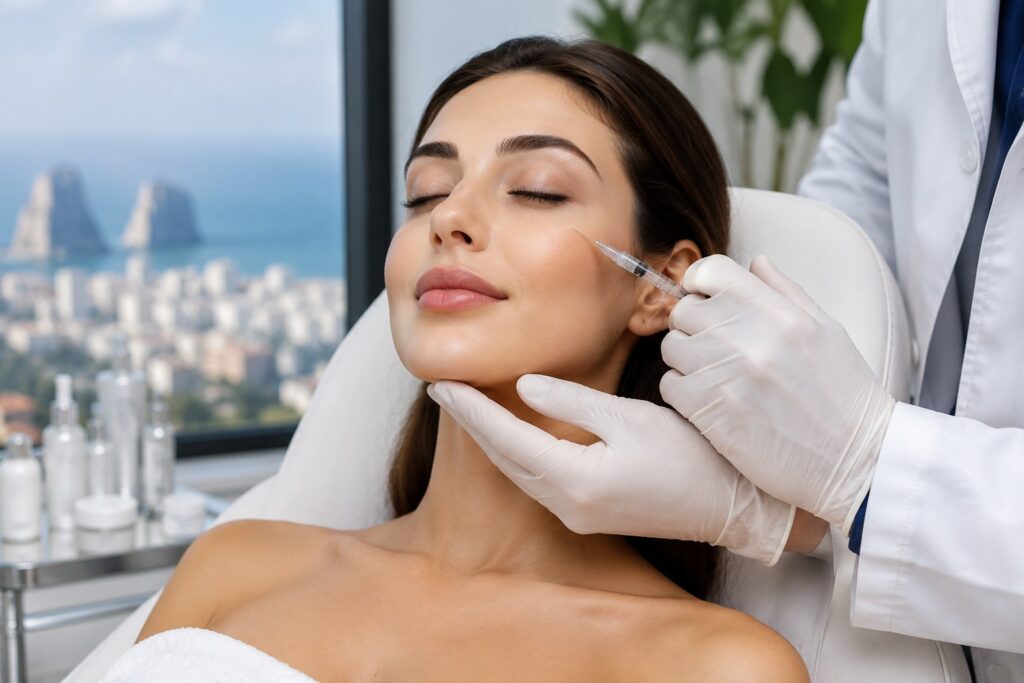
Medical Cosmetology in Lebanon: Achieving Natural Rejuvenation through Science The evolution of aesthetic medicine in the Levant has reached a critical inflection point. As Beirut continues to solidify its reputation as a regional hub for beauty and wellness, the market for cosmetology lebanon has become increasingly complex, characterized by a proliferation of “beauty centers” and high-tech clinics promising miraculous results. However, for the discerning patient, the quest for aesthetic enhancement is no longer just about surface-level changes; it is about the intersection of biological integrity, medical rigor, and ethical responsibility. At the forefront of this movement is Prof. Roland Tomb, a figure whose professional profile represents the “Physician-Scientist” ideal in modern dermatology. As the Honorary Dean of the Faculty of Medicine at Saint Joseph University (USJ) and the Head of the Dermatology Department at Hôtel-Dieu de France (HDF), he has pioneered a model of medical-based skin aesthetics that prioritizes health and science over commercial trends. This comprehensive analysis explores why seeking the best dermatologist for cosmetology in beirut is essential for those who desire skin rejuvenation that is both natural and biologically sustainable. The Distinction: “Beauty Center” vs. “Medical Cosmetology“ The most significant challenge facing patients in the current market for cosmetology lebanon is the blurred line between non-medical aesthetic centers and legitimate medical dermatology clinics. While beauty centers often offer competitive pricing and aggressive marketing, they frequently operate without the oversight of a board-certified physician. This distinction is not merely semantic; it has profound implications for patient safety and the quality of advanced skin care lebanon. The Biological Depth of Medical Care In a “Beauty Center,” treatments are often performed by technicians who focus on the immediate visual result. In contrast, medical-based skin aesthetics as practiced by Prof. Roland Tomb is grounded in a deep understanding of skin physiology, pharmacology, and anatomy. A medical dermatologist recognizes that the skin is a complex organ that reflects internal health. For example, what a technician might see as a simple pigmentation issue, a physician-scientist might identify as a symptom of a deeper metabolic or autoimmune condition. Clinical Rigor and Safety Protocols The infrastructure of a university hospital like Hôtel-Dieu de France provides a safety net that no independent beauty center can match. Under the guidance of Prof. Roland Tomb, the dermatology clinic integrates advanced diagnostic tools with therapeutic interventions, ensuring that procedures like chemical peels or laser therapy are performed with medical-grade precision. This clinical rigor is what defines the standard for cosmetology lebanon and protects patients from the long-term complications often associated with unregulated aesthetic practices. The Physician-Scientist Model: A Benchmark for Excellence To achieve true skin rejuvenation, one must look beyond the needle. The “Physician-Scientist” model, championed by Prof. Roland Tomb, ensures that every aesthetic treatment is informed by a career dedicated to research and academic stewardship. With over 450 articles published in international medical journals, his work spans the entire spectrum of skin health, from fundamental research in murine models to clinical studies on acne and hair loss. Integrating Research into Aesthetics A primary advantage of consulting the best dermatologist for cosmetology in beirut is access to the latest scientific breakthroughs. At USJ, Prof. Tomb has overseen the development of research laboratories focusing on regenerative medicine and cancer metabolism. This academic environment allows for the rapid translation of laboratory findings into clinical protocols. For instance, his 2023 study on oral isotretinoin brands highlights the importance of pharmacological precision in managing acne, ensuring that aesthetic results are achieved with minimal adverse events like hypercholesterolemia or eczema. The Global Perspective The authority of Prof. Roland Tomb is recognized far beyond the borders of Lebanon. His election as a Visiting Professor at the prestigious Collège de France in 2022 and his role as Vice-Chairman of the International Bioethics Committee at UNESCO cement his reputation as a global leader in medical thought. For a patient seeking cosmetology lebanon, this means their care is guided by international standards of excellence and a world-class academic perspective. Procedures at HDF: Botox, Fillers, and Advanced Peels The clinical “scope of work” for cosmetology lebanon at Hôtel-Dieu de France is defined by a commitment to functional bio-restoration. The goal is not to create a “frozen” or artificial appearance, but to restore the youthful architecture of the face through science-based interventions. Precision in Botox and Fillers The application of botulinum toxin and dermal fillers requires an intimate knowledge of facial musculature and vascularity. At the HDF Dermatology Clinic, these procedures are treated with the same precision as minor surgery. Prof. Roland Tomb emphasizes a conservative approach, utilizing high-quality biostimulatory fillers that encourage the body’s own collagen production. This method ensures that skin rejuvenation is a gradual, natural process that respects the patient’s unique anatomy. Furthermore, his research into clinical resistance to botulinum toxin type A in aesthetic medicine provides critical insights into why some patients may stop responding to treatments over time. This level of pharmacological expertise is essential for tailoring protocols to individual biological responses, a hallmark of the care provided by the best dermatologist for cosmetology in beirut. Specialized Medical Peels For patients dealing with hyperpigmentation, acne scarring, or photoaging, advanced chemical peels offer a powerful path to skin rejuvenation. Unlike “spa peels,” the medical-grade peels at HDF utilize varying concentrations of alpha and beta-hydroxy acids, as well as TCA, to target specific layers of the dermis. This “Specialized Medical Expertise” ensures that the peel effectively induces skin regeneration without the risks of scarring or post-inflammatory hyperpigmentation. The Bioethical Compass: Preventing the “Botched” Result One of the most critical aspects of Prof. Tomb’s practice is his role as a leading bioethicist. Holding a Ph.D. in Philosophy and Ethics from Aix-Marseille University, he brings a unique “Ethical Compass” to the field of cosmetology lebanon. In a region where aesthetic trends can sometimes outpace medical caution, this ethical grounding is a vital safeguard for patients. Patient Safety and Informed Consent The bioethical approach to medical-based skin aesthetics involves a rigorous process of informed consent. Prof. Roland Tomb ensures
Skin Care Specialist: 8+ Years of Elite Medical Leadership
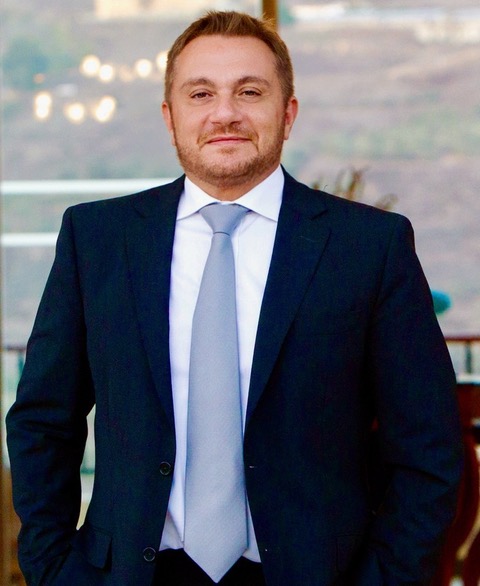
A Definitive Guide to Skin Health: Insights from a Leading Skin Care Specialist in Lebanon The Imperative of Skin Health in Lebanon The skin stands as the body’s largest and most visible organ, a dynamic shield that reflects both our internal health and our interactions with the external world. Its condition is a primary indicator of overall well-being and a source of personal confidence. This foundational understanding is particularly critical in a country like Lebanon, where unique environmental and cultural factors shape dermatological challenges. For a skin care specialist operating in this environment, a deep appreciation for these local nuances is not just an advantage it is a necessity. Recent research highlights a significant public health gap regarding Skin health Lebanon, particularly concerning sun protection and skin cancer awareness. Studies have found that nearly half of Lebanese parents surveyed had never heard about melanoma, and more than half were unaware that sunburns are a major risk factor. Furthermore, a separate cross-sectional study in Beirut revealed that less than half of dermatology clinic patients reported using sunscreen daily, despite Lebanon’s ultraviolet index reaching up to 12 in summer months. This lack of knowledge and poor protective behavior represents a pressing public health concern, creating a clear need for expert guidance. In this context, the role of a leading skin care specialist becomes paramount. It is here that Prof. Roland Tomb distinguishes himself as a preeminent authority in the field. As a physician and researcher based in Beirut, his credentials extend far beyond a standard clinical practice. He is a Professor and the Head of the Department of Dermatology at Université Saint-Joseph (USJ) and Hôtel-Dieu de France, and he previously served as the Dean of the Medical School for 12 years. His extensive body of work includes hundreds of Dermatology Articles Roland Tomb has published in international journals, cementing his position as a recognized expert in clinical and fundamental dermatology and allergology. This comprehensive expertise allows for an approach to skin health that is both deeply scientific and tailored to the local community’s needs. The Foundational Pillars of Care: Your Skin Care Specialist as a Partner Understanding the spectrum of professional skin care is the first step toward achieving lasting skin health. The term “skin care specialist” is broad and can encompass various roles, from those focused on aesthetic enhancement to those trained to diagnose and treat complex diseases. A fundamental distinction exists between a medical dermatologist and an esthetician, and recognizing this difference is crucial for a patient seeking the most appropriate care. A dermatologist, such as Prof. Roland Tomb, is a medical doctor who undergoes extensive medical training to diagnose and treat a wide array of skin conditions, including serious issues like skin cancer. This medical expertise allows them to prescribe medications, perform surgical procedures, and offer a wide range of therapeutic interventions that are beyond the scope of a non-medical professional. In contrast, a licensed esthetician is a skin care specialist focused on cosmetic treatments. Their services include facials, peels, and hair removal, which are aimed at enhancing the skin’s appearance and health through non-medical means. Estheticians often work in a complementary role, collaborating with dermatologists to support medical treatment plans. For instance, a patient receiving medical care for acne might also see an esthetician for cosmetic peels or extractions to improve skin clarity. A true skin care specialist understands this collaborative model, ensuring patients receive comprehensive and ethically guided care. A proactive approach to skin health, anchored by a yearly skin exam, is perhaps the single most important habit an individual can adopt. While seemingly simple, this routine screening is a critical component of preventive care. The evidence is compelling: with early detection, the survival rate for common forms of skin cancer like Basal Cell Carcinoma and Squamous Cell Carcinoma can be over 99%. Even for melanoma, a more aggressive form of skin cancer, early detection significantly improves the chances of a successful outcome. Skin cancer is one of the most common cancers worldwide, and its incidence is on the rise. Neglecting a yearly skin exam is not merely a personal oversight; it represents a missed opportunity to intervene at the most curable stage of the disease. Furthermore, regular screenings are particularly vital in a country like Lebanon, given the rising melanoma incidence rates in recent years and the local myths that skin cancer is a problem only for those with fair skin. An experienced skin care specialist recognizes that skin cancer can manifest differently in all skin tones, making consistent, professional check-ups a non-negotiable part of a long-term skin health strategy. A Deep Dive into Common Skin Conditions with Advanced Science Navigating Acne Treatment Beirut and Beyond Acne is a highly prevalent inflammatory skin condition that can significantly impact a person’s self-esteem and quality of life. Effective Acne treatment Beirut and Acne Treatment Lebanon requires a multi-faceted approach, tailored to the individual’s specific case. Treatment options range from foundational at-home routines to advanced professional interventions. A qualified skin care specialist will often start with lifestyle advice, such as using gentle, non-abrasive cleansers, avoiding irritating products, and not picking at blemishes to prevent scarring. For more persistent cases, a dermatologist can prescribe a range of topical medications, including retinoids like adapalene and tretinoin, which unclog pores and prevent new breakouts, and benzoyl peroxide, which kills acne-causing bacteria. Oral medications, such as antibiotics, hormonal therapies (like birth control pills), and isotretinoin, are reserved for moderate to severe cases. Beyond topical and oral medications, clinics in Beirut are known for providing professional treatments like chemical peels and laser therapy. Chemical peels, for example, deeply exfoliate the skin to clear clogged pores and stimulate skin renewal, while lasers can reduce bacteria and improve the appearance of acne scarring. A comprehensive skin care specialist combines these modalities to provide a personalized plan, ensuring that patients receive a strategy that delivers real, lasting results. Choosing the Right Acne Medication: Insights from Recent Studies One of the most critical aspects of expert care