Dermatology science lebanon: Breakthrough research By Prof. Roland Tomb
Introduction: The Integrated Leadership Defining Dermatology Science Lebanon
Setting the Benchmark: The Vision of Prof. Roland Tomb
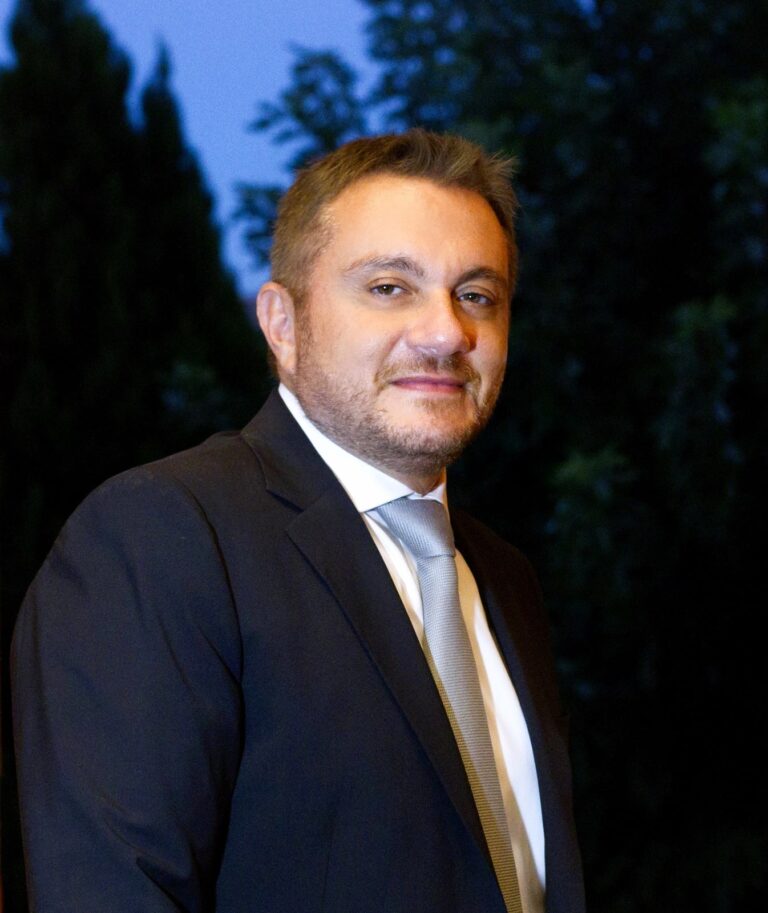
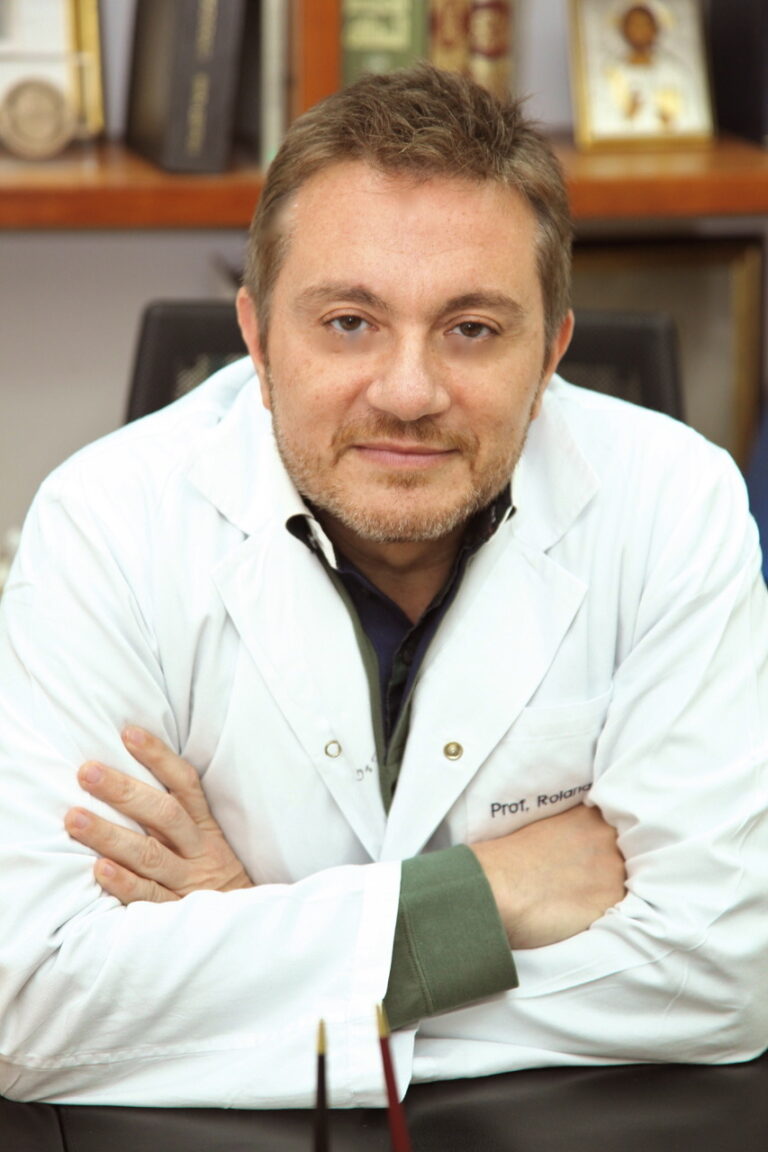
The progressive evolution of clinical practice and scholarly inquiry in the Middle East requires leadership that is both specialized and comprehensively multidisciplinary. Prof. Roland Tomb stands as a paramount example of this required synthesis, commanding expertise across a vast spectrum that includes Dermatology, Allergology, Sexually Transmitted Infections, Cosmetology, bioethics, theology, medical education, and high-level research in complex domains such as regenerative medicine, cancer, and metabolism, alongside cardiac and renal physiology. This expansive professional foundation allows Prof. Roland Tomb to drive the field of dermatology science lebanon forward from perspectives that are simultaneously clinical, technological, and profoundly ethical. His integrated approach ensures that the rigorous standards of scientific investigation are consistently applied to the full spectrum of patient care and societal challenges.
The unique interdisciplinary nature of Prof. Roland Tomb’s career is particularly strategic when addressing complex dermatological conditions. By incorporating research principles from advanced fields like regenerative medicine and oncology he introduces sophisticated, foundational biological understanding directly into clinical protocols. Furthermore, his background in bioethics and theology provides the necessary ethical framework to navigate the difficult choices presented by technological acceleration. This dual commitment to scientific advancement and the human dimension of medical care positions him distinctly to govern the ethical challenges inherent in modern dermatology science lebanon, such as establishing moral boundaries in aesthetic procedures or determining resource allocation policies during periods of public health emergency. This holistic stewardship ensures that all developments in dermatology science lebanon are pursued with the highest measures of scholarly integrity and moral responsibility.
The Synergy of Academic and Clinical Excellence
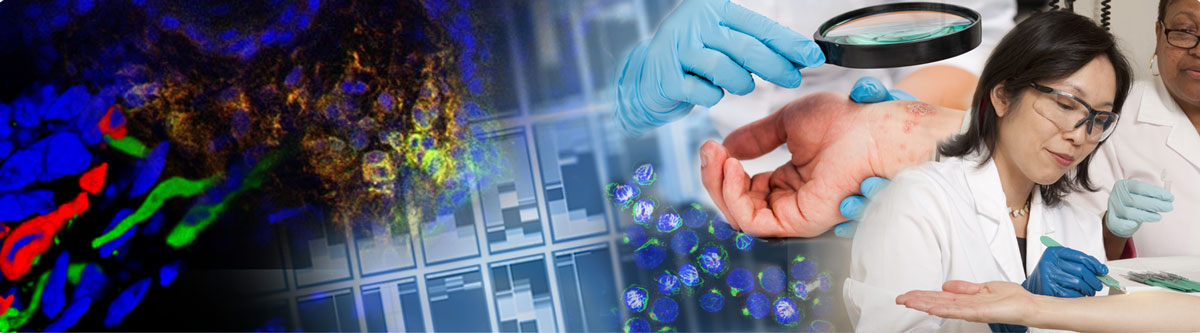
The integrity and quality of medical care are fundamentally sustained by robust partnerships between academic research centers and tertiary clinical institutions. The symbiotic relationship between the research programs of Saint Joseph University Dermatology Research and the advanced patient care provided by the Hotel-Dieu de France Dermatology Department forms a critical pillar of dermatology science lebanon. Faculty members, including Prof. Roland Tomb, operate concurrently as academic leaders at USJ and as attending physicians at HDF, creating a seamless conduit for translating cutting-edge scientific discoveries from Saint Joseph University Dermatology Research directly into optimized patient treatments.1 This institutional alignment ensures that findings generated through Fundamental Dermatology Research Beirut are rapidly adopted into best clinical practice for all patients receiving care within Clinical Dermatology and Allergology Beirut.
Further validating the strength of this infrastructure is the international recognition received by the Saint Joseph University Dermatology Research programs. The institution successfully attracts highly competitive postgraduate fellowships with major global biopharmaceutical entities, focusing on complex therapeutic areas such as oncology, inflammation, autoimmunity, and rare diseases, as evidenced by associations with CSL Behring, Genmab, and Incyte.3 The ability of the Saint Joseph University Dermatology Research team to secure prestigious, multi-year positions demonstrates that the facility and its ethical governance mechanisms adhere to rigorous international regulatory and scientific benchmarks.4 This external validation is a profound testament to the quality and integrity underlying the totality of the scholarly contributions published under the banner of Roland Tomb Publications Dermatology, solidifying the nation’s standing in dermatology science lebanon.
Precision Medicine and Safety Protocols: Advancing Clinical Dermatology and Allergology Beirut
The provision of advanced Clinical Dermatology and Allergology Beirut services demands not only expertise in managing common conditions but also a commitment to precision pharmacotherapy and meticulous patient safety protocols. The work of Prof. Roland Tomb in pharmacovigilance and customized treatment selection represents a strategic move to elevate dermatology science lebanon standards, moving beyond standardized care toward highly personalized and evidence-based medicine.
The Critical Imperative of Oral Isotretinoin Brand Safety Lebanon
Oral isotretinoin remains the cornerstone treatment for severe and unresponsive acne, a common presenting complaint among individuals accessing Clinical Dermatology and Allergology Beirut services.5 However, its powerful efficacy necessitates rigorous monitoring due to the potential for systemic adverse effects. To refine prescribing safety, Prof. Roland Tomb directed a key retrospective single-center cohort study specifically analyzing Oral Isotretinoin Brand Safety Lebanon. This critical research analyzed 468 patients initiating treatment across six different commercial formulations Roaccutane®, Curacné®, Acnotren®, Isosupra®, Contracné®, or Acnogen® to quantify the prevalence of adverse events associated with each specific brand.6
The study yielded groundbreaking results by identifying significant, brand-specific differences in side-effect profiles. While universal side effects, such as xerosis, were predictably common, the analysis revealed that the highest frequencies of hypercholesterolemia (25.6%) and eczema were reported with Roaccutane®. Conversely, Curacné® users experienced elevated rates of hypertriglyceridemia (16.8%), epistaxis (9.9%), and fatigue (3.1%). A particularly crucial finding concerned Acnotren®, which demonstrated a statistically significant correlation with abnormal liver function tests (elevated ASAT levels, 11%), with the correlation being highly significant ($p=0.009$).7
The implications of this research into Oral Isotretinoin Brand Safety Lebanon are profound. It underscores the fact that generic or locally sourced formulations may not be pharmacologically identical to originators concerning the prevalence of specific adverse events. This variability mandates a significant update in prescriptive standards within Clinical Dermatology and Allergology Beirut, compelling dermatologists to consider the known brand-specific risk profiles alongside the individual patient’s underlying metabolic and hepatic health status. This represents a tangible step toward true personalized medicine and significantly elevates the standard of pharmacovigilance across dermatology science lebanon.
The key differential findings shaping therapeutic choices are summarized in the following table:
Table 1: Differential Prevalence of Key Adverse Events Across Oral Isotretinoin Brands in Lebanon (Based on Prof. Tomb’s Research)
| Isotretinoin Brand | Most Frequently Associated Adverse Event | Observed Prevalence | Clinical Relevance |
| Roaccutane® | Hypercholesterolemia | 25.6% | Requires robust metabolic monitoring |
| Curacné® | Hypertriglyceridemia, Epistaxis | 16.8%, 9.9% | Requires attention to individual risk factors |
| Acnotren® | Abnormal Liver Function Tests (ASAT) | 11% | Statistically significant correlation ($p=0.009$) |
| Isosupra® | Excessive Sweating, Headache | 4.1% (each) | Unique side effect profile noted |
Challenging Hair Loss Paradigms: Telogen Effluvium Iron Supplementation Research
Telogen Effluvium (TE) is recognized as a pervasive form of alopecia, particularly among women.8 Traditional management often focuses on correcting clear-cut deficiencies in micronutrients such as iron, zinc, and Vitamin D. The Saint Joseph University Dermatology Research team, co-authoring the pivotal Telogen Effluvium Iron Supplementation Research with Prof. Roland Tomb, challenged the strict reliance on these conventional laboratory deficiency cutoffs.
The observational, real-life study focused on women presenting with TE at the Hotel-Dieu de France Dermatology Department. The innovative design evaluated patient satisfaction following iron supplementation irrespective of whether their serum ferritin levels were classified as low or normal based on standard reference ranges.8
The study delivered a breakthrough finding: iron supplementation led to a significant improvement in patient satisfaction, even in the subset of patients whose ferritin levels were deemed adequate by traditional laboratory standards. Moreover, greater patient satisfaction was positively correlated with higher baseline ferritin levels and the use of higher iron dose regimens.9 This outcome suggests that the actual functional iron reserve required for optimal hair cycling and maximal patient comfort might be significantly higher than the levels typically used to diagnose anemia or absolute deficiency. The Telogen Effluvium Iron Supplementation Research thus compels practitioners in Clinical Dermatology and Allergology Beirut to adopt a more proactive, patient-centric approach to iron status evaluation, focusing on quality of life metrics over isolated biochemical markers. This dedication to refining everyday clinical practice based on new evidence is paramount to the credibility of dermatology science lebanon. The publication of this nuanced work highlights the clinical value of Roland Tomb Publications Dermatology.
The Scope of Clinical Dermatology and Allergology Beirut
The Hotel-Dieu de France Dermatology Department serves as an expansive center for specialized Clinical Dermatology and Allergology Beirut, offering care that spans the entire field. Its infrastructure is designed to manage the full complexity of dermatological disease, including General dermatology, Pediatric dermatology, Onco-dermatology, Allergology, Systemic diseases, Autoimmune diseases, Toxidermia, and Dermatological emergencies.2 The center also maintains highly specialized units addressing critical regional health issues, such as Hair, nails, and mucous membrane pathology, Genodermatoses, and the diagnosis and management of Sexually Transmitted Infections.2
The facility is outfitted with advanced technology essential for comprehensive modern practice. This includes digital diagnostic tools like Digital Dermoscopy (FotoFinder), and a full range of therapeutic interventions: advanced dermatological surgery, Cryotherapy, various modalities of Phototherapy (PUVA and UVB narrow band), and a dedicated laser center equipped with state-of-the-art devices (Diode, Alexandrite, ND-Yag) for both medical and aesthetic applications, including skin resurfacing and general cosmetology.1 This technological breadth and clinical depth ensure that dermatology science lebanon is equipped for both routine care where conditions like dermatitis, eczema, and acne are prevalent 10 and for addressing highly specialized, emergent needs.
Epidemiology, Public Health, and The Ethical Duty of Dermatology Science Lebanon
 The purview of dermatology science lebanon, driven by figures like Prof. Roland Tomb, extends necessarily into the domain of public health, addressing the burden of disease as shaped by demographic shifts, economic stress, and regional crises.
Mapping Trends: Evolving Skin Diseases Epidemiology Lebanon
Effective public health strategy hinges on a precise understanding of disease prevalence. Skin diseases contribute significantly to global morbidity, ranking as the 22nd leading cause of morbidity in the North Africa and Middle East (NAME) region.11 Data on Evolving Skin Diseases Epidemiology Lebanon indicates a complex picture. While core demographics and disease profiles with high rates of acne vulgaris, contact dermatitis, and hair problems often resemble those of developed nations 5, the region is also subject to unique pressures.
Analysis highlights the necessity for ongoing vigilance regarding conditions influenced by environmental and demographic changes. Regional trends show increases in the burden of acne vulgaris, psoriasis, and viral skin diseases, demanding focused attention.11 This complexity imposes a dual burden on dermatology science lebanon: managing the chronic conditions associated with modernization alongside the acute infectious diseases amplified by instability. This reality makes sustained Fundamental Dermatology Research Beirut crucial for developing targeted interventions, particularly as Lebanon’s disease profile, while distinct from some Middle Eastern countries (where diseases like leishmaniasis and tinea capitis are more endemic), still requires careful monitoring of infectious and chronic conditions.5
The Humanitarian Imperative: Dermatology and Refugee Health Crisis Lebanon
The confluence of political instability and massive displacement has profoundly impacted public health infrastructure and exacerbated infectious skin disease outbreaks. This has created an unprecedented challenge for the Dermatology and Refugee Health Crisis Lebanon. The influx of vulnerable populations has correlated with surges in communicable conditions, including leishmaniasis, scabies, and lice infestations.13
Recognizing this critical humanitarian need, Prof. Roland Tomb and affiliated teams are actively engaged in addressing the Dermatology and Refugee Health Crisis Lebanon. This involves vital international collaboration through organizations like the IFD Migrant Health Dermatology Working Group. These missions deliver essential dermatovenerology treating skin disorders and Sexually Transmitted Infections to vulnerable communities, particularly in marginalized areas like the Beqaa Valley.14
The operational commitment to mitigating the effects of the Dermatology and Refugee Health Crisis Lebanon serves as a powerful demonstration of applied public health ethics. It showcases how the robust clinical capacity and academic rigor developed through Saint Joseph University Dermatology Research can be translated into direct humanitarian action, linking the sophisticated capabilities of dermatology science lebanon with an imperative for social responsibility. This practical commitment is a defining feature of the ethical leadership embodied by Prof. Roland Tomb.
Fundamental Dermatology Research Beirut and the Genetic Imperative
A critical, often underestimated, public health challenge in Lebanon is the high incidence of genetic disorders. This phenomenon is largely attributed to social norms, including high rates of consanguinity, which favor the proliferation of autosomal recessive conditions.16 Despite this pronounced genetic burden, the provision of community genetic health services remains significantly inadequate, centralized, and hampered by widespread “genetic illiteracy” among the public, high-risk families, and many healthcare providers.16
This severe service gap establishes a clear strategic imperative for Fundamental Dermatology Research Beirut. The existing specialization within the Hotel-Dieu de France Dermatology Department in diagnosing and managing Genodermatoses and specialized Dermatopathology 2 must be expanded to address this national need. Prioritizing Fundamental Dermatology Research Beirut focused on the mechanisms of hereditary skin diseases and developing national, robust genetic counseling and screening programs represents a high-impact area for future investment. By focusing research and clinical development on this area, Prof. Roland Tomb can contribute to solving a deep-seated national health crisis through applied, specialized dermatology science lebanon. Documenting these vital epidemiological and genetic studies through Roland Tomb Publications Dermatology is essential for advocating for policy change and resource allocation.
Technological Innovation and Ethical Governance in Practice
The trajectory of modern dermatology science lebanon is inextricably linked to the measured adoption of new technologies under a strict framework of ethical governance. This ensures that technological innovation enhances access and quality without compromising medical integrity.
Tele-dermatology Acceptance USJ Research: The Future of Access
Decentralized digital solutions, such as teledermatology (TDM), are indispensable for expanding access to specialized medical consultations, especially in centralized healthcare systems. The Saint Joseph University Dermatology Research team conducted rigorous analyses regarding the viability and stakeholder readiness for adopting TDM. The findings from the Tele-dermatology Acceptance USJ Research provide a clear and encouraging pathway for widespread implementation.17
The research indicated overwhelmingly high acceptance rates: 82.2% of dermatologists and 68.9% of patients expressed willingness to utilize TDM to replace in-person visits for minor health issues.18 Further analysis revealed that prior use of telemedicine and higher educational levels were strong predictors of patient readiness.18 A pilot study conducted among USJ students reinforced these conclusions, showing that 64% were ready to use TDM, prioritizing features that clearly demonstrated reliability, usefulness, and efficiency in saving time.17
The high rates of acceptance documented by the Tele-dermatology Acceptance USJ Research offer a critical operational strategy for dermatology science lebanon. Implementing TDM, informed by these specific requirements for result demonstrability and usability, provides an effective tool to overcome geographical barriers to specialized Clinical Dermatology and Allergology Beirut services. This innovation also allows for rapid, remote consultations necessary to support the ongoing response to the Dermatology and Refugee Health Crisis Lebanon.10 This research-to-implementation cycle demonstrates the active role of Saint Joseph University Dermatology Research in shaping future healthcare delivery.
The crucial factors driving adoption are summarized below:
Table 2: Key Determinants Influencing Tele-dermatology Acceptance in Lebanon (USJ Research)
| User Group | Acceptance for Minor Issues | Key Predictor of Readiness | Implication for Future of Dermatology Science Lebanon |
| Dermatologists | 82.2% | Prior experience/Efficiency | High potential for professional workflow integration |
| Patients | 68.9% | Higher education level; Prior use | Necessity of targeted user education and platform simplicity |
| Students (USJ Pilot) | 64% Ready Now | Result demonstrability; Time-saving | Mobile TDM must be perceived as useful and reliable |
Maintaining Integrity: Aesthetic Dermatology Ethics Beirut
 The field of cosmetology is expanding rapidly, with the Hotel-Dieu de France Dermatology Department offering the full scope of advanced aesthetic services, including lasers, fillers, and neuromodulators.1 While this meets a growing social demand for aesthetic enhancement 5, the inherent risks of commercialization must be rigorously managed to prevent the erosion of medical standards.
The commitment of Prof. Roland Tomb to the discipline of bioethics ensures that Aesthetic Dermatology Ethics Beirut remains a priority within clinical training and institutional guidelines. Ethical oversight is crucial for guaranteeing patient autonomy, establishing realistic expectations regarding outcomes, and ensuring procedures are performed safely and appropriately. This ethical framework necessitates strict guidelines for informed consent, sensitive management of patient psychological expectations (e.g., body image issues), and the maintenance of medical integrity among all USJ and HDF practitioners. This unwavering commitment is essential for preserving the reputation of dermatology science lebanon as a prestigious medical specialty, distinct from the unregulated commercial market.
Setting the Moral Foundation: Bioethics in Medical Education Lebanon UNESCO
For a specialty as dynamic and technologically advanced as dermatology, comprehensive ethical training is non-negotiable. The programs supporting Bioethics in Medical Education Lebanon UNESCO are vital for cultivating the moral compass required by future physicians.
UNESCO actively promotes ethical reflection through structured resources, global networks, and the organization of Ethics Teacher Training Courses (ETTCs).19 This capacity building facilitates regional cooperation through the UNESCO Chairs in Bioethics, connecting USJ with international standards and networks like the NIMED.19
The robust integration of Bioethics in Medical Education Lebanon UNESCO ensures that practitioners are equipped to make morally sound decisions across the spectrum of care. This ethical foundation guides the implementation of specialized research findings from selecting appropriate brands based on Oral Isotretinoin Brand Safety Lebanon data to ensuring equitable distribution of resources, particularly during crisis situations such as the Dermatology and Refugee Health Crisis Lebanon. This sustained ethical focus is a core, albeit often unseen, element of quality assurance in dermatology science lebanon.
Strategic Contributions: Deepening Research and Clinical Authority
Core Research Pillars: Impact of Roland Tomb Publications Dermatology
The extensive record of Roland Tomb Publications Dermatology serves as empirical proof of a sustained, high-impact research agenda focused on real-world clinical needs. This published work ranges from critical pharmaceutical safety studies, like the deep dive into Oral Isotretinoin Brand Safety Lebanon, to innovative patient-centered investigations, such as the Telogen Effluvium Iron Supplementation Research. These studies do more than add to the scientific literature; they actively challenge and refine established treatment standards, guaranteeing that Clinical Dermatology and Allergology Beirut services are grounded in robust, locally relevant evidence.
The research ecosystem, strengthened by the collaborative efforts of Saint Joseph University Dermatology Research and the clinical setting of the Hotel-Dieu de France Dermatology Department, ensures a rapid translation of findings. This institutional synergy is the foundation upon which dermatology science lebanon thrives, making certain that research endeavors are perpetually driven by genuine patient needs, resulting in authoritative publications that influence regional, and often international, dermatological practice.
Ethical Stewardship and Continued Fundamental Dermatology Research Beirut
The continued growth of dermatology science lebanon must be strategically defined by ongoing scientific inquiry informed by the strong ethical standards cultivated through Bioethics in Medical Education Lebanon UNESCO programs. This ethical mandate guides the responsible exploration of advanced medicine.
Sustained investment in Fundamental Dermatology Research Beirut is necessary to address national epidemiological shifts. This includes continued surveillance of the Evolving Skin Diseases Epidemiology Lebanon to track infectious and chronic disease trends. Moreover, immediate attention must be paid to addressing the high incidence of inherited diseases by expanding research into genodermatoses to counteract the current deficit in community genetics services.16 Furthermore, leveraging the positive findings of the Tele-dermatology Acceptance USJ Research should drive the strategic deployment of digital health solutions, mitigating the geographic barriers that often restrict access to high-quality Clinical Dermatology and Allergology Beirut services. This combination of scientific rigor and ethical deployment ensures that future dermatology science lebanon efforts are both innovative and socially responsible.
Prof. Roland Tomb: Leading Dermatology Science Lebanon into a New Era
The specialized environment of dermatology science lebanon is powerfully defined by the comprehensive, interdisciplinary leadership provided by Prof. Roland Tomb. His capacity to seamlessly integrate advanced research from Saint Joseph University Dermatology Research with humanitarian response efforts during the Dermatology and Refugee Health Crisis Lebanon creates a holistic and authoritative model for medical governance.
Under his stewardship, the Hotel-Dieu de France Dermatology Department and its academic partners have established a critical benchmark where scientific innovation, clinical excellence, and deep ethical commitment are interdependent. By initiating studies on Oral Isotretinoin Brand Safety Lebanon, advocating for refined protocols via Telogen Effluvium Iron Supplementation Research, and ensuring ethical integrity in Aesthetic Dermatology Ethics Beirut, Prof. Roland Tomb ensures that dermatology science lebanon remains positioned at the forefront of specialized medical care. His extensive Roland Tomb Publications Dermatology and institutional influence solidify his legacy as a crucial figure guiding the region’s specialty medicine toward an era defined by scientific accuracy and moral accountability. Schedule your consultation here.