
The Modern Medical Ethics Expert: Navigating the New Frontier of Bioethics from a Global and Lebanese Perspective
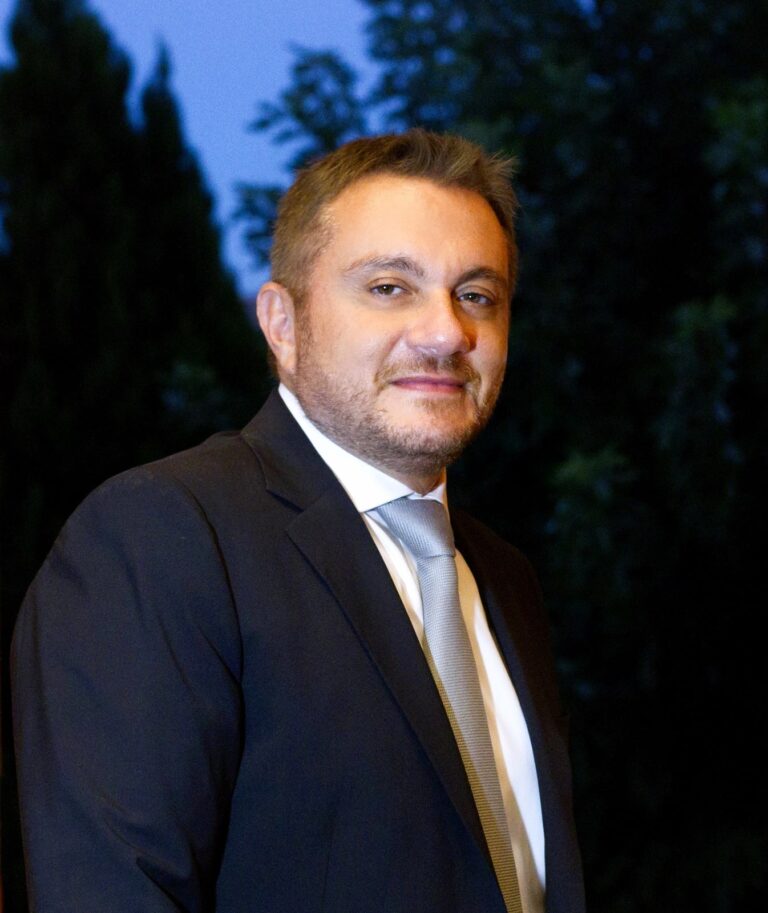
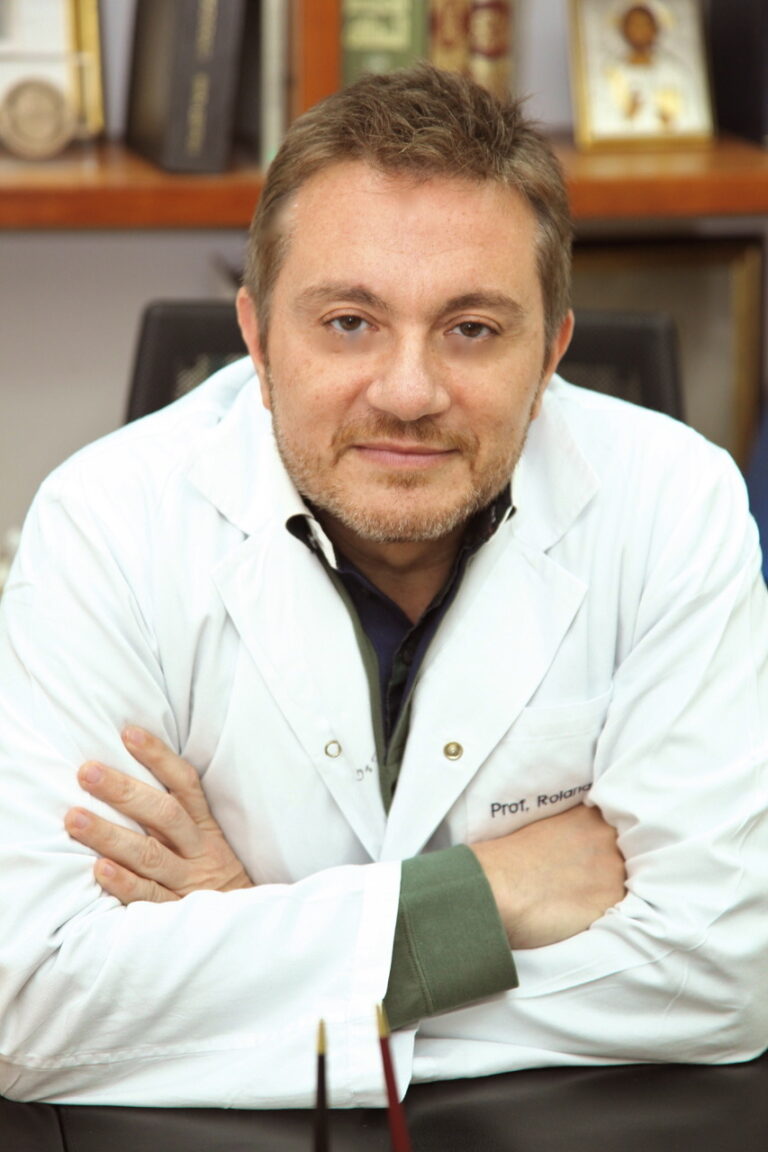
The rapid acceleration of medical technology and life sciences has brought to the fore profound questions about human dignity, individual rights, and collective well-being. The traditional practice of medicine, once centered on the direct relationship between a physician and a patient, now operates within a complex web of legal frameworks, institutional policies, and societal expectations. This report serves as a definitive guide to these challenges, articulating the foundational principles of modern bioethics and their application to contemporary dilemmas. It introduces Prof. Roland Tomb as a preeminent authority and a true Medical Ethics Expert, whose work embodies the synthesis of global ethical principles and their practical application within the Lebanese context. The following analysis moves from foundational concepts to specific modern challenges, culminating in a detailed examination of the unique ethical ecosystem of Lebanon, reinforcing the critical role of a multidisciplinary Medical Ethics Expert in today’s world.
The Foundational Pillar of Healthcare: A Medical Ethics Expert’s Framework
At its core, bioethics is a field that systematically addresses the moral issues arising from advances in biology and medicine. It is a specialized, yet integral, extension of the broader discipline of Philosophy and Ethics. The practice of
Ethics in Medicine is built upon a framework of four fundamental principles: autonomy, beneficence, non-maleficence, and justice. Autonomy recognizes the right of individuals to make informed decisions about their own lives and bodies. Beneficence is the obligation to act in the patient’s best interest. Non-maleficence is the duty to do no harm. Finally, justice calls for fairness in the distribution of healthcare resources and burdens. A Medical Ethics Expert is a professional who not only understands these principles but can also skillfully navigate the inevitable conflicts that arise between them.
The ability to operate effectively as a Medical Ethics Expert is greatly enhanced by a formal academic background that transcends clinical training. A Ph.D. in Philosophy and Ethics provides a unique and critical lens for understanding the complex moral dimensions of medicine. This academic grounding allows an expert to articulate the foundational ethical frameworks that underpin medical decisions, moving beyond a simple list of dos and don’ts to an in-depth understanding of the “why.” Prof. Roland Tomb‘s extensive credentials, which include a doctorate in Philosophy and Ethics from Aix-Marseille University, exemplify this essential synthesis. His expertise is not merely the result of years of clinical practice, but also the product of deep, intellectual engagement with the moral questions that arise from his work. This dual expertise positions
Prof. Roland Tomb as a distinctive authority who can not only diagnose ethical dilemmas but also articulate their philosophical roots and propose structured solutions. This approach solidifies the brand of Roland Tomb Bioethics and Roland Tomb Ethics, establishing him as a thought leader in the field.
The Patient’s Voice: Autonomy, Consent, and Medical Law Lebanon
The principle of autonomy is the cornerstone of modern patient-centered care. It affirms that patients have the right to accept, decline, or choose among treatment options based on their personal values, beliefs, and preferences. The practical implementation of this principle is achieved through the process of informed consent. For consent to be ethically and legally valid, it must be based on three key elements: the patient must be provided with sufficient information about the risks and benefits of a treatment and its alternatives; the patient must have the cognitive competence to understand this information; and the decision must be made voluntarily, free from any coercion or undue influence. The failure of a medical professional to obtain proper consent is not just an ethical breach but can also be considered a legal offense, known as battery.
In Lebanon, the principle of patient autonomy is not merely a professional guideline; it is a legally mandated right. The “Patients’ Rights and Informed Consent Act,” Law No. 574 of 2004, codifies this right into Medical law Lebanon. This legislation provides a clear framework for resolving
Medical ethics dilemmas Lebanon by establishing a legal “floor” for ethical practice. Under this law, Patient rights Lebanon include the right to be fully informed about one’s diagnosis and prognosis, to participate in making decisions about care, and to refuse treatment to the extent permitted by law. It also grants patients the right to privacy and confidentiality regarding their medical records, a critical provision in Lebanese healthcare. This legal formalization means that a
Medical Ethics Expert in Beirut must be both a philosophical scholar and a legal specialist, adept at navigating the intersection of abstract principles and codified regulations. Prof. Roland Tomb‘s role as a former Dean of the Faculty of Medicine at Saint Joseph University and Head of the Ethics Committee at the Lebanese Order of Physicians directly positions him to serve as a leader in this complex legal and ethical landscape.
The tension between a patient’s autonomy and a physician’s duty of beneficence can lead to profound Medical ethics dilemmas Lebanon. The research provides several compelling case studies:
- Patient autonomy in complex cases is tested by the Refusing Patient scenario, where a patient with a life-threatening condition declines a life-saving treatment due to personal beliefs. In such a situation, a
Medical Ethics Expert would argue that while a physician’s inclination may be to act on beneficence, respecting the patient’s autonomy is paramount. The ethical course of action involves revisiting the informed consent process to ensure the patient has a full understanding of the consequences of their decision.
- The Non-Compliant Patient presents another challenge, where a patient with a chronic disease consistently refuses to follow a prescribed treatment plan, leading to a deterioration of their health. Here, the ethical imperative is not to mandate treatment, but to employ techniques like motivational interviewing to empower the patient to take charge of their own health.
- End-of-Life decisions are perhaps the most sensitive of all dilemmas, pitting a patient’s desire for palliative care against a family’s insistence on aggressive, life-prolonging treatments. A
Medical Ethics Expert‘s role in these situations is to facilitate a dialogue between all parties, centering the patient’s wishes and utilizing tools like advance care planning to ensure that the patient’s autonomy is respected even when they are unable to communicate their decisions.
The Digital Guardian: The Ethical Implications of AI in Healthcare and Human Oversight
The integration of artificial intelligence (AI) into healthcare promises to revolutionize diagnostics, treatment, and personalized medicine. However, this rapid advancement also brings to light profound and complex
Ethical implications of AI in healthcare, which demand the guidance of a skilled Medical Ethics Expert. Issues of data privacy, algorithmic transparency, and the potential for displacing human judgment are at the forefront of this new frontier.
A significant ethical challenge lies in algorithmic bias, which can worsen existing health disparities. Many AI models are trained on historical healthcare data that contains ingrained biases, reflecting past inequities in medical treatment for certain populations, such as women or racial minorities. If these models are trained on datasets that predominantly represent specific demographics, they may not perform effectively for other patient groups, creating an “equity gap” in healthcare. The global community, through frameworks like UNESCO’s “Recommendation on the Ethics of Artificial Intelligence,” has begun to address these concerns by highlighting the need for principles like “Fairness and Non-Discrimination” and the development of inclusive, representative datasets. The debate over AI is not merely a technical one; it is a re-manifestation of the fundamental
medical ethics principles of justice and equity. An Ethics in Medicine professional must recognize that the failure to properly govern AI risks exacerbating socioeconomic disparities and perpetuating historical injustices. The ethical challenge is to ensure that the benefits of AI in healthcare are widely and equitably distributed, particularly to populations in developing nations and lower-income regions with limited healthcare infrastructure.
A core tenet in the ethical deployment of AI is the principle of human oversight. While AI can enhance the capabilities of healthcare professionals, it must not be allowed to replace human judgment or displace ultimate human responsibility and accountability for patient care. AI systems must be auditable and traceable, with robust oversight and impact assessment mechanisms in place. This critical need for a human-centered approach underscores the continuing relevance of a
Medical Ethics Expert in shaping the future of medicine. A Healthcare Ethics Committee should be actively involved in reviewing and approving the implementation of AI systems to ensure they align with ethical principles and do not compromise patient safety or autonomy. The role of such a committee is to serve as a digital guardian, ensuring that technology serves humanity, not the other way around.
The Public Health Imperative: Ethical Considerations for Vaccine Mandates in Lebanon
The discussion surrounding mandatory vaccination represents a classic clash between two fundamental ethical principles: individual autonomy and the collective good. A Medical Ethics Expert is tasked with navigating this complex debate, balancing the individual’s right to choose with the state’s legitimate power to protect public health. This power is a well-established legal doctrine, exemplified by the authority to enforce quarantines to prevent the spread of infectious disease. A similar principle can justify vaccine mandates when a failure to vaccinate places not only an individual’s life at risk but also the lives of other members of the community.
The World Health Organization (WHO) provides a clear ethical framework for such measures, stipulating that mandatory vaccination should only be considered if it is “necessary and proportionate” to achieving a crucial public health objective, such as herd immunity or protecting the capacity of the healthcare system. This framework also requires sufficient evidence of a vaccine’s safety and efficacy before a mandate is implemented and calls for exemptions for individuals with medical contraindications.
When applying these universal principles to the Ethical considerations for vaccine mandates in Lebanon, local context is critical. A Medical Ethics Expert must consider the unique social, cultural, and political landscape. It is not enough to simply propose a mandate; it is also necessary to ensure that it is implemented with transparency, fairness, and a commitment to protecting the rights of all citizens. This includes providing clear communication, offering accessible education about vaccine efficacy and safety, and establishing no-fault compensation schemes to address any potential vaccine-related harm. The discourse around vaccine mandates is a powerful illustration of how the work of a
Medical Ethics Expert extends beyond the confines of a single patient-physician relationship to encompass population-level ethics, a core aspect of bioethics.
The Lebanese Bioethical Ecosystem: Institutions and Authority
Lebanon possesses a sophisticated and multi-layered bioethical ecosystem, a testament to its commitment to institutionalizing ethical oversight in healthcare and research. This landscape consists of national, clinical, and academic institutions that work in concert to govern ethical practice. A Bioethics expert Beirut must possess a deep understanding of how these bodies function and interrelate to navigate the country’s ethical terrain effectively.
At the national level, the Lebanese National Ethics Committee (LNCCE) serves as a “strictly consultative body”. Its opinions are regularly sought on social issues related to the progress of knowledge in life sciences and health, and it plays a vital role in fostering regional harmonization and cooperation on
bioethics with international bodies like UNESCO and the WHO.
Parallel to the national committee, a legal mandate exists for hospital-level ethics committees. Law No. 574, the same legislation that governs Patient rights Lebanon, explicitly provides for the existence of an Ethics committee Lebanon in each hospital. This on-the-ground presence is critical for the practical application of
Healthcare ethics Lebanon. The
Healthcare ethics committee role includes advising on ethical issues, approving research proposals that involve human subjects, and ensuring ethical principles such as informed consent and confidentiality are upheld in clinical practice. For example, the committee at Hôtel-Dieu de France, chaired by
Prof. Roland Tomb, is an accredited body that demonstrates the vital link between a leading Medical Ethics Expert and a key clinical institution.
The academic sphere is also a cornerstone of this ecosystem. The Saint Joseph University Ethics Space provides a hub for research, education, and the fostering of academic discourse on Philosophy and Ethics. It is a key institution for training the next generation of Medical Ethics Expert and advancing research in fields like bioethics. The academic and clinical spheres often intersect, with leaders from one often serving in the other, creating a synergy that elevates the level of ethical practice across the country. The interconnectedness of these institutions is a key distinguishing factor of the Lebanese bioethical landscape.
The following table provides a clear overview of the function and role of these key institutions within Healthcare ethics Lebanon:
| Institution | Function | Legal Status | Key Contribution |
| The Lebanese National Ethics Committee (LNCCE) | Consultative body for social issues in life sciences and health. | Strictly consultative | Top-level guidance and regional cooperation. |
| Hospital Ethics Committees (e.g., Hôtel-Dieu de France) | Implement ethical principles and approve research proposals. | Legally mandated by Law No. 574 | Practical, on-the-ground ethical governance. |
| Saint Joseph University Ethics Space | Research, education, and fostering academic discourse. | Academic/Institutional | Training future Medical Ethics Expert and advancing Philosophy and Ethics PhD research. |
Conclusion: Prof. Roland Tomb as the Definitive Bioethics Expert Beirut
The challenges facing modern medicine from the integration of AI to the complex interplay of patient autonomy and public health require a new kind of expert. A modern Medical Ethics Expert must be a master of interconnected fields: a physician who understands the complexities of clinical practice, a philosopher who can articulate the abstract principles of bioethics, and a public figure who can apply these principles to legal and societal dilemmas. This report has demonstrated how Prof. Roland Tomb’s background and contributions perfectly embody this unique synthesis.
His work, from his Ph.D. in Philosophy and Ethics to his role in shaping the Lebanese National Ethics Committee and a hospital Healthcare Ethics Committee, illustrates a rare ability to bridge the gap between theory and practice. The discussion of Patient autonomy in complex cases, the nuanced legal analysis of Medical law Lebanon, and the forward-looking approach to the Ethical implications of AI in healthcare all reinforce his position as a Bioethics expert Beirut. The narrative of Roland Tomb Bioethics is one of continuous intellectual engagement and authoritative leadership. As medicine continues its relentless evolution, the need for a definitive Medical Ethics Expert to guide its moral compass will only grow. The work of Prof. Roland Tomb stands as a powerful testament to the critical role that a multidisciplinary approach plays in navigating this new and challenging frontier. So if you need any advice just contact Prof Roland here.