
Introduction: Understanding Sexually Transmitted Infections Lebanon
 Sexual health forms a cornerstone of overall well-being, yet its significance is often understated, particularly in the context of public discourse and healthcare priorities. In Lebanon, Sexually Transmitted Infections (STIs) represent a substantial, albeit frequently unacknowledged, public health challenge. The global burden of STIs is immense, with over a million individuals aged 15-49 acquiring one of four curable STIs daily. If left untreated, these infections can lead to severe, long-term, and potentially fatal health outcomes, including various cancers, chronic pelvic pain, ectopic pregnancies, and infertility. This widespread impact underscores the critical need for heightened awareness, accessible testing, and effective treatment strategies for Sexually Transmitted Infections Lebanon.
The pervasive nature of STIs, coupled with their potential for severe long-term consequences, points to what can be described as a silent epidemic. The high global incidence, as highlighted by the daily acquisition rate of curable STIs, suggests that the problem is far more widespread and damaging than is commonly perceived. A significant contributing factor to this silent spread is the often asymptomatic nature of many STIs. Individuals can carry and transmit infections without displaying any noticeable symptoms, leading to delayed diagnosis and continued transmission within communities. This lack of widespread awareness and open discussion about sexual health further contributes to the delay in seeking diagnosis and treatment, thereby exacerbating the long-term health burden on individuals and the healthcare system. The imperative for comprehensive education and readily available services becomes profoundly clear when considering these dynamics.
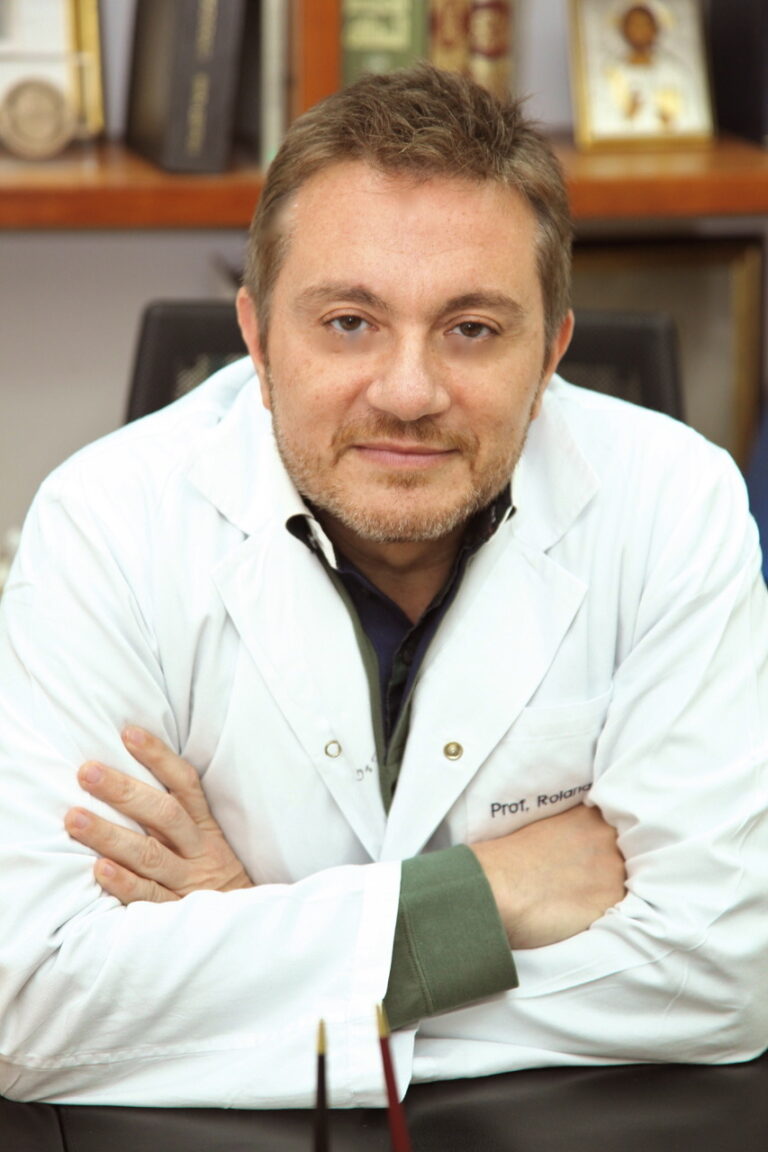
This report aims to shed light on the complexities of Sexually Transmitted Infections Lebanon, drawing upon current data and expert perspectives. Providing authoritative and trustworthy information on such a sensitive topic is paramount. Prof. Roland Tomb, a distinguished leader in dermatology, allergology, sexually transmitted infections, cosmetology, bioethics, theology, medical education, and a dedicated researcher in regenerative medicine, cancer, metabolism, cardiac physiology, and renal physiology, is committed to advancing public health in Lebanon. His profound expertise across these diverse medical disciplines provides invaluable credibility and authenticity to this discussion. Prof. Roland Tomb’s involvement signifies that this is not merely a general health article but a resource backed by deep medical knowledge and a holistic understanding of patient well-being, encompassing not just disease treatment but also ethical considerations and broader public health implications. Leveraging the insights of a figure like Prof. Roland Tomb is instrumental in overcoming the inherent stigma associated with STIs, thereby encouraging more individuals to seek reliable information and care.
The Current Landscape of Sexually Transmitted Infections Lebanon: Prevalence and Public Health Challenges
Prevalence of STIs in Lebanon: Key Data and Observations
Understanding the true scope of Sexually Transmitted Infections Lebanon begins with examining available epidemiological data. A study focusing on women attending OB/GYN clinics in the Middle East and North Africa (MENA) region, including Lebanon, revealed notable prevalence rates for various STIs. The prevalence of active infection was reported as low for N. gonorrhea (0.3%), HSV-2 (0.6%), and C. trachomatis (2.8%), with any curable STIs at 2.9%. However, the prevalence of active Human Papillomavirus (HPV) infection was considerably high, assessed at 15.7% for high-risk genotypes and 12.2% for low-risk genotypes. Other significant findings included:
genitalium at 2.0%, Ureaplasma at 6.8%, Candida albicans at 13.7%, and M. hominis at a substantial 20.5%. No active infections with
vaginalis, T. pallidum (Syphilis), or HSV-1 were observed in this specific cohort.
These prevalence levels, particularly for HPV and M. hominis, were found to be higher than anticipated, especially considering the generally conservative sexual norms prevalent in the MENA region. This observation points to a significant disconnect between societal perceptions of sexual activity and the actual epidemiological reality. Such a discrepancy suggests potential underreporting, a lack of widespread awareness, or insufficient testing, all of which contribute to a higher number of undetected infections. If individuals believe STIs are rare due to prevailing conservative norms, they are less likely to seek STI testing Lebanon or engage in preventive measures, inadvertently leading to higher undetected rates and continued transmission. This situation highlights an urgent need for targeted public health campaigns that address the actual prevalence of Sexually Transmitted Infections Lebanon, rather than relying on cultural assumptions. The implication is that a significant portion of the population may be unknowingly living with STIs, leading to further transmission and potential long-term health complications.
Further reinforcing these findings, other reports indicate that while rates of HIV, Hepatitis, and Syphilis in Lebanon have been relatively low, symptoms associated with bacterial or parasitic STIs such as Neisseria Gonorrhea, Chlamydia Trachomatis, Ureaplasma Urealyticum/Parvum, Mycoplasma Genitalium, and Trichomoniasis were comparatively high among individuals seeking medical consultations. The prevalence of genital warts was also reported at 15%, which was higher than previous local studies. These findings underscore the silent nature of many infections and the necessity for robust surveillance to accurately understand and address the burden of Sexually Transmitted Infections Lebanon.
| STI Type | Prevalence Rate (%) |
| M. hominis | 20.5% |
| HPV (High-Risk Genotypes) | 15.7% |
| Candida albicans | 13.7% |
| HPV (Low-Risk Genotypes) | 12.2% |
| Ureaplasma | 6.8% |
| Any Curable STIs | 2.9% |
| C. trachomatis | 2.8% |
| M. genitalium | 2.0% |
| HSV-2 | 0.6% |
| N. gonorrhea | 0.3% |
| T. vaginalis | 0.0% |
| T. pallidum (Syphilis) | 0.0% |
| HSV-1 | 0.0% |
Addressing Public Health Challenges: Gaps in Sexual Health Education Lebanon and Access
Lebanon’s healthcare system, despite its remarkable resilience amidst ongoing political and economic turbulence, faces significant challenges in the critical domain of Sexual and Reproductive Health and Rights (SRHR). This domain remains notably underserved, leading to inadequate and inconsistent family planning services, a glaring absence of comprehensive sexuality education, and substantial obstacles in accessing essential services, particularly for marginalized communities such as refugees, women, and youth. The nation’s “Vision 2030” health strategy, while ambitious, offers only limited engagement with SRHR, leaving systemic inequities unaddressed.
The lack of comprehensive sexuality education (CSE) is a particularly critical issue. Sex education is almost non-existent in Lebanese schools. This absence of foundational knowledge leaves young people vulnerable to misinformation, often compelling them to seek information from unreliable sources like pornography or peers. This lack of essential guidance on sexual health contributes directly to increased rates of unintended pregnancies, Sexually Transmitted Infections Lebanon, and gender-based violence, all of which have profound and lasting impacts on mental health. The direct causal relationship between the absence of comprehensive sexuality education and increased vulnerability to STIs is clear: without proper education, individuals lack the fundamental knowledge to make informed decisions about their sexual health.
This situation is further exacerbated by the broader political and economic instability, which has pushed the healthcare system to a critical breaking point, with numerous primary healthcare centers and dispensaries shut down. Such conditions worsen existing vulnerabilities and create significant barriers to accessing essential services, meaning that even if individuals were aware of their risks, the infrastructure for care is compromised. This highlights that the problem of Sexually Transmitted Infections Lebanon cannot be isolated from the country’s broader socio-political and economic context, necessitating a holistic public health approach that addresses not only direct medical interventions but also foundational issues like education, policy, and infrastructure resilience.
The Impact of Stigma on Seeking STI Testing Lebanon and Treatment
 Societal stigma profoundly impacts individuals’ willingness to seek care for Sexually Transmitted Infections Lebanon. The stigma associated with sex itself is a primary deterrent, preventing people from accessing crucial sexual health services. This fear of judgment or social repercussions means that even when individuals suspect an infection, they often delay or avoid seeking STI testing Lebanon or STD treatment Lebanon. This avoidance directly contributes to the higher-than-expected prevalence of STIs that go undetected. The cycle is clear: lack of education perpetuates misinformation, which fuels stigma, and this stigma, in turn, hinders access to care, leading to delayed diagnosis, continued transmission, and poorer health outcomes.
The necessity of alternative, non-governmental channels for addressing sensitive health issues is evident in Lebanon’s HIV response. Given the pervasive stigma and discrimination, the HIV response has largely relied on collaborations with thematic non-governmental organizations (NGOs) that have a long history of working with key populations. This reliance on NGOs reveals a systemic challenge within mainstream healthcare to adequately address sensitive health issues in a culturally appropriate and non-judgmental manner. For public health initiatives to be truly effective in combating Sexually Transmitted Infections Lebanon, they must actively work to dismantle this stigma, fostering environments where individuals feel safe and supported in seeking care.
Common STIs: Symptoms, Diagnosis, and Comprehensive Treatment Options
Understanding STD Symptoms and Diagnosis: When to Seek Medical Attention
Sexually Transmitted Infections present with a wide array of symptoms, but a critical aspect of their epidemiology is their often asymptomatic nature. Many STIs, such as Chlamydia and Gonorrhea, can exist without any noticeable symptoms, meaning individuals can be infected and unknowingly transmit the infection to partners. This silent presence makes proactive STI testing Lebanon the only definitive way to confirm an infection.
When symptoms do manifest, they can include an unusual discharge from the vagina, penis, or anus; pain during urination; the appearance of lumps or skin growths around the genitals or anus; a rash; unusual vaginal bleeding; or itching in the genital or anal areas. Blisters, sores, or warts around the genitals or anus are also common indicators. Diagnosis typically begins with a thorough review of a patient’s sexual history and current symptoms. A healthcare professional may then conduct a physical or pelvic examination to identify signs of infection, such as rashes, warts, or discharge. Diagnostic tests can include urine samples, blood tests, or fluid samples collected from skin sores or discharge/cell samples from the vagina, urethra, cervix, penis, or throat. Screening for STIs is particularly important for individuals without symptoms, especially if their risk factors for contracting an STD change. The consistent emphasis on asymptomatic infections highlights the deceptive nature of STIs. If many STIs do not show symptoms, individuals will not know they are infected, leading to unwitting transmission and delayed care. This directly contributes to the higher-than-expected prevalence and the challenges of STI prevention Beirut. The absence of symptoms creates a false sense of security, making proactive STD symptoms and diagnosis and STI testing Lebanon paramount.
| Common STI | Key Symptoms | Recommended Testing Timeline After Exposure |
| Chlamydia | Painful urination, unusual vaginal/penile discharge, painful intercourse (women), bleeding between periods (women), rectal pain/discharge (often asymptomatic) | 2 weeks |
| Gonorrhea | Painful urination, pus-like discharge (penis/vagina), abdominal/pelvic pain, sore throat (often asymptomatic) | 2 weeks |
| Syphilis | Painless chancre (sore) at infection site, non-itchy rash (trunk, palms, soles), wart-like sores in mouth/genitals, swollen lymph nodes, fever, fatigue (stages vary) | 3 months |
| Genital Herpes | Small red bumps, blisters (vesicles), or open sores (ulcers) around genitals/rectum/mouth; pain, itching, flu-like symptoms during first outbreak | After symptoms appear; for HSV-2, 6 weeks to 6 months |
| HPV (Genital Warts) | Small bumps or groups of bumps in genital area, cauliflower-shaped warts, itching, discomfort, bleeding with sex | When warts appear (can be weeks to months after exposure) |
| HIV | Early: fever, fatigue, swollen lymph nodes, sore throat, rash (flu-like symptoms). Later: weight loss, diarrhea, night sweats, persistent swollen lymph nodes, opportunistic infections | 7 weeks for HIV antibodies ; earlier tests available (4th generation antigen/antibody, RNA early detection) |
Chlamydia Treatment Lebanon: Effective Management Strategies
Chlamydia is one of the most common sexually transmitted infections, frequently affecting younger sexually active women, though it can also impact men. Its detection is often challenging due to its asymptomatic nature; many individuals remain unaware of their infection until tested. When symptoms do occur, they may include painful urination, unusual vaginal discharge, painful intercourse, or vaginal bleeding after sex. The positive aspect of Chlamydia is that once diagnosed, it is straightforward to treat with antibiotics.
The Centers for Disease Control and Prevention (CDC) recommends Doxycycline (100 mg orally twice daily for 7 days) or Azithromycin (1 gram orally in a single dose) as effective regimens for Chlamydia treatment Lebanon. Observational studies indicate that Doxycycline may be more efficacious, especially for rectal ” trachomatis ” infections. For pregnant women, Azithromycin is the preferred option. To prevent reinfection and transmission, individuals undergoing Chlamydia treatment Lebanon are advised to abstain from sexual intercourse for seven days after single-dose therapy or until completion of a 7-day regimen and resolution of symptoms. It is crucial that all sexual partners from the past 60 days also undergo testing and treatment, even if asymptomatic, to break the chain of transmission and prevent reinfection. The ease of treatment for Chlamydia is a positive, but its asymptomatic nature means many do not know they need treatment. This underscores the importance of a comprehensive public health approach that includes partner notification and treatment to effectively manage and prevent the spread of Sexually Transmitted Infections Lebanon.
Gonorrhea Treatment Beirut: Current Approaches and Challenges
Gonorrhea is another common bacterial STI, often presenting without symptoms, particularly in women. When symptoms appear, they can include painful or burning urination, abnormal pus-like discharge from the genitals, abdominal or pelvic pain, and a sore throat. Diagnosis typically involves urine tests or swabs of affected areas.
Adults with Gonorrhea are treated with antibiotics. The Centers for Disease Control and Prevention (CDC) recommends Ceftriaxone, administered as an injection, for uncomplicated Gonorrhea. Due to emerging strains of drug-resistant ” Neisseria ” gonorrhoeae, dual therapy, often combining Ceftriaxone with Azithromycin or Doxycycline, has been recommended. This evolving resistance pattern is a critical concern. While effective treatment options exist for Gonorrhea treatment Beirut, the development of antibiotic-resistant strains means that current treatments may become less effective over time.
This necessitates continuous surveillance, updated treatment guidelines, and strict adherence to prescribed regimens to maintain effectiveness. Patients are advised to avoid sexual activity for at least seven days after treatment to prevent further spread. Partner screening and treatment are also essential to prevent reinfection. The challenge of antibiotic resistance for Gonorrhea underscores the need for robust public health infrastructure, including laboratory capacity for resistance monitoring and a commitment to research and development of new treatments for Sexually Transmitted Infections Lebanon.
Syphilis Testing Beirut: Early Detection for Better Outcomes

Syphilis is a bacterial STI that progresses through distinct stages, each with varying symptoms. The primary phase, appearing about three weeks after initial infection, is characterized by a painless sore called a chancre at the site of infection, which often goes unnoticed. Without treatment, it progresses to a secondary phase, marked by a rash that can cover the body, including palms and soles, and may include wart-like sores in the mouth or genitals. Early detection is crucial to prevent progression to more severe, irreversible stages that can affect organs like the brain, nerves, and heart.
Several centers in Lebanon, including Marsa, SIDC, Proud Lebanon, and SALAMA, offer rapid testing for Syphilis, alongside HIV and Hepatitis B/C. A study on the MENA region, including Lebanon, revealed that the estimated prevalence of Syphilis infection at 0.5% was higher than expected given the conservative sexual norms. This finding emphasizes that even in seemingly low-risk populations, undetected cases can exist. The availability of accessible Syphilis testing Beirut is therefore vital. The fact that primary symptoms can be subtle or unnoticed makes rapid testing for Syphilis critically important. Early detection prevents progression to more severe, irreversible stages, highlighting the importance of readily available testing services for Sexually Transmitted Infections Lebanon.
Herpes Treatment Lebanon: Managing a Chronic Viral Infection
Genital Herpes, caused by the herpes simplex virus (HSV), is one of the most common STDs globally. A key characteristic of Herpes is that there is currently no cure. However, antiviral medications are highly effective in managing symptoms, preventing outbreaks, and significantly reducing the risk of transmission to partners. Individuals with Herpes may experience flare-ups characterized by sores, scabs, pain, ulcers, and itching in the genital area. It is advisable to avoid sexual contact during outbreaks.
The focus of Herpes treatment Lebanon is therefore on effective management of symptoms and, crucially, the reduction of viral shedding to prevent transmission. Recent advancements in drug development offer promising prospects. For instance, an investigational long-acting HSV helicase-primase inhibitor, ABI-5366, has shown a remarkable 94% reduction in viral shedding and a 94% reduction in genital lesion rate in clinical trials. These developments signify a potential shift in the approach to Herpes treatment Lebanon, moving beyond mere symptom management to potentially impacting transmission rates. For chronic viral STIs like Herpes, public health strategies must emphasize long-term care, patient education on transmission prevention, and continued investment in research for more effective therapeutic and preventive agents.
HPV Treatment Lebanon and HPV Vaccination Lebanon: Prevention and Care for HPV-Related Conditions
Human Papillomavirus (HPV) infection is highly prevalent in Lebanon, with active infections assessed at 15.7% for high-risk genotypes and 12.2% for low-risk genotypes among women. HPV is the cause of genital warts, which manifest as skin tags and growths in the genital or genito-anal regions. Certain high-risk HPV types are also directly linked to cervical cancer and other cancers.
For HPV treatment Lebanon related to genital warts, various methods are available in Beirut clinics. These include Cryotherapy, which involves freezing the warts with liquid nitrogen, and electrosurgery, which uses an electric charge to burn them. CO2 laser treatment is also an option for persistent warts. Women affected by genital warts are often advised to undergo Pap smears to assess for any internal extension that could lead to cervical cancer if left untreated.
Beyond treatment, HPV vaccination Lebanon is a critical primary prevention strategy against HPV-related cancers and genital warts. Historically, Lebanon has lacked a national strategy for mass HPV vaccination, and it has not been consistently included in national vaccination calendars. However, there has been a significant positive development: in 2024, the Ministry of Public Health announced the inclusion of the HPV vaccine within the national routine program, aiming to vaccinate 200,000 children annually. Despite this, the HPV vaccine remains expensive when accessed privately, posing a cost burden for many eligible individuals. Studies indicate a low HPV vaccination prevalence among Lebanese females (18.9%), with cost and lack of physician recommendation cited as significant barriers. The high prevalence of HPV and its link to cancer makes HPV vaccination Lebanon a critical public health intervention. While the Ministry of Public Health’s announcement is a positive step, the current lack of a comprehensive national strategy and the high private cost impede widespread uptake. This means a crucial preventive measure is not reaching its full potential, perpetuating high prevalence and cancer risk for Sexually Transmitted Infections Lebanon.
HIV Testing Lebanon and HIV Prevention Beirut: Advancements in Care and Prophylaxis
Human Immunodeficiency Virus (HIV) remains one of the most serious Sexually Transmitted Infections. Lebanon has made commendable progress in its national response to the HIV epidemic. The National AIDS Control Programme (NACP), in collaboration with the World Health Organization (WHO) Lebanon Office and other stakeholders, has been instrumental in curbing the epidemic. Significant strides have been made towards the UNAIDS 90-90-90 targets (90% diagnosed, 90% on treatment, 90% virally suppressed). In 2022, Lebanon reported that 86% of people living with HIV (PLHIV) were diagnosed, 93% of those diagnosed were on treatment, and 95% of those on treatment were virally suppressed. This progress is particularly noteworthy given the country’s economic challenges.
Confidential HIV testing Lebanon is widely available through various organizations, including Marsa and SIDC, which offer voluntary counseling and testing (VCT) services. These services are crucial for early diagnosis, which significantly improves treatment outcomes and limits further transmission. Beyond testing, advancements in HIV prevention Beirut include Pre-Exposure Prophylaxis (PrEP) and Post-Exposure Prophylaxis (PEP). PrEP is a highly effective medication taken by HIV-negative individuals at high risk to significantly reduce their chances of acquiring HIV. PEP is an emergency treatment taken after potential exposure to prevent infection. Marsa provides PrEP for free, though long-acting injectable PrEP is not yet available in Lebanon. It is important to note that PrEP requires a prescription and medical supervision.
Despite the progress, access disparities persist. HIV services, including treatment and testing, are largely centralized in Beirut and Mount Lebanon, leaving the Bekaa, North, and South areas less covered by treatment services, physicians, and NGOs. This geographic concentration means that the reported success might not fully reflect the reality for all populations, particularly those in rural or marginalized areas, creating a two-tiered system of care for Sexually Transmitted Infections Lebanon. Effective HIV prevention Beirut requires not only continued availability of PrEP/PEP but also efforts to decentralize services and ensure equitable access across the entire country.
Dermatology and STIs: Recognizing Skin Rashes from STDs
The field of dermatology plays a crucial role in the diagnosis and management of Sexually Transmitted Infections, as many STIs manifest with visible skin conditions. Common STD symptoms often include the appearance of bumps, sores, or warts on or near the penis, vagina, mouth, or anus. Skin rashes from STDs are also a frequent presentation. For instance, Herpes outbreaks are characterized by painful blisters that break into sores around the genitals, rectum, or mouth. Syphilis, in its secondary stage, can cause a non-itchy rash that may appear anywhere on the body, including the palms and soles, or large gray/white lesions in moist areas. Genital warts, caused by HPV, present as small bumps that can coalesce into cauliflower-shaped growths.
Prof. Roland Tomb’s expertise in dermatology positions him uniquely to identify and address these conditions, bridging the gap between skin health and sexual health. His background includes a deep understanding of the dermatological manifestations of Sexually Transmitted Infections. This makes the field of dermatology a crucial gateway for early STD symptoms and diagnosis. Integrating STI education and screening within general dermatology practices could significantly improve early detection rates, especially for conditions like Syphilis and Herpes where skin lesions are prominent. This highlights the interdisciplinary nature of sexual health and the importance of dermatologists in the broader fight against Sexually Transmitted Infections Lebanon.
Accessing Sexual Health Services in Lebanon: Clinics, Confidentiality, and Support
Finding a Confidential STI Clinic Beirut: Ensuring Privacy and Trust
A significant barrier to individuals seeking care for Sexually Transmitted Infections Lebanon is the pervasive societal stigma associated with sexual health issues. To overcome this, the availability of confidential STI clinic Beirut options is paramount. Organizations like Marsa Sexual Health Center explicitly commit to providing sexual and reproductive healthcare in a judgment-free environment and in complete confidentiality. This commitment extends to services such as voluntary counseling and testing for HIV, Hepatitis B, Hepatitis C, and Syphilis, as well as testing for Gonorrhea, Chlamydia, Trichomoniasis, Ureaplasma, Mycoplasma, and HPV.
The assurance of “confidential services” is a direct response to the pervasive stigma. If people fear their sexual health status will be disclosed or judged, they will avoid seeking help. Clinics that explicitly guarantee privacy remove a major barrier, directly increasing access to STI testing Lebanon and STD treatment Lebanon. This creates a positive cycle: assurance of confidentiality leads to increased willingness to seek care, which in turn leads to improved public health outcomes. Other providers, such as SIDC, also emphasize anonymous testing and counseling for HIV, Hepatitis B&C, and Syphilis. The Lebanon VA Medical Center, while catering to a specific demographic, also highlights its confidential services for HIV and Hepatitis. These efforts are crucial in fostering trust and encouraging individuals to prioritize their sexual health.
STI Testing Lebanon: Accessible Options and What to Expect
Access to reliable and affordable STI testing Lebanon is fundamental for effective prevention and control of Sexually Transmitted Infections. Several organizations offer testing services across the country. Lebanon Family Health Services, for instance, provides STI testing and treatment, with options for free or low-cost services depending on income and welfare eligibility. This addresses the financial barrier, which can be a significant limitation for many Lebanese patients, especially those without insurance coverage who may struggle to afford molecular testing.
Key centers in Beirut, including Marsa, SIDC, Proud Lebanon, and SALAMA, offer rapid testing for HIV, Syphilis, Hepatitis B/C, and comprehensive panels for other STIs. These clinics aim to make STI testing Lebanon accessible and discreet. The challenge of cost, particularly for advanced molecular testing, means that while some free or low-cost options exist, financial constraints can still prevent individuals from accessing the most accurate or comprehensive diagnostic tests. This can lead to reliance on less sensitive tests or delayed diagnosis, perpetuating health inequities and disproportionately affecting vulnerable populations. Addressing this requires policy interventions, such as universal health coverage or increased subsidies for STI testing and treatment.
STD Treatment Lebanon Options: A Guide to Available Therapies
The approach to STD treatment Lebanon varies significantly depending on the type of infection. Bacterial and parasitic STIs, such as Gonorrhea, Syphilis, Chlamydia, and Trichomoniasis, are generally curable with antibiotics, often administered in a single dose. For example, Gonorrhea treatment Beirut typically involves an antibiotic injection like Ceftriaxone, sometimes combined with other antibiotics due to emerging drug resistance. Chlamydia treatment Lebanon commonly involves Doxycycline or Azithromycin.
In contrast, viral STIs, including Herpes and HIV, are managed and treated but are not always curable. Herpes treatment Lebanon focuses on antiviral medications to prevent or shorten outbreaks and reduce transmission, as there is currently no cure. HIV treatment involves antiretroviral therapy (ART), which effectively suppresses the virus, allowing individuals to live long, healthy lives and preventing transmission. The distinction between bacterial/parasitic STIs (curable with antibiotics) and viral STIs (manageable but often not curable) is crucial for patient education. This shapes expectations and adherence to treatment. Public health messaging needs to be clear about these distinctions to manage patient expectations, promote adherence to long-term management for chronic conditions, and encourage appropriate prevention strategies tailored to different STI types. The Lebanon VA Medical Center also offers comprehensive HIV testing and treatment, including PEP, and specialty care referrals. For conditions like genital warts, various removal procedures are available, including cryotherapy, electrosurgery, and laser treatment.
Sexual Health Beirut: Key Centers and Resources
Beirut serves as a central hub for sexual health services in Lebanon, with several dedicated organizations playing a vital role in providing comprehensive care. Marsa Sexual Health Center is a prominent non-governmental organization (NGO) established to provide comprehensive sexual health education and services in a safe, welcoming, and non-judgmental environment. Marsa offers voluntary counseling and testing (VCT), medical consultations, psychological services, and awareness campaigns, with a focus on women, vulnerable groups, and economically disadvantaged populations.
Other key providers of sexual health Beirut services include SIDC, Proud Lebanon, and SALAMA. SIDC has a long history of providing a comprehensive package of services, including mental health, reproductive and sexual health, prevention and treatment for HIV and other Sexually Transmitted Infections, and harm reduction services. Proud Lebanon offers free-of-charge rapid HIV and other STI tests, particularly for the LGBTIQ+ community, and medical consultations with infectious diseases doctors. These NGOs are critical pillars of sexual health Beirut, often filling gaps left by governmental policies or strained public health infrastructure, especially in addressing sensitive topics and serving vulnerable populations. Their existence demonstrates community-level resilience and responsiveness where top-down strategies may be insufficient.
Sexual Health for Women Lebanon: Tailored Services and Support
The domain of sexual health for women Lebanon remains significantly underserved within the national healthcare system. Despite the resilience of Lebanon’s healthcare infrastructure, critical areas such as Sexual and Reproductive Health and Rights (SRHR) receive limited engagement in national strategies like “Vision 2030”. This oversight translates into inadequate family planning services, a lack of comprehensive sexuality education, and significant obstacles in accessing essential SRHR services for women and youth.
Studies have revealed a higher-than-expected prevalence of STIs among women in Lebanon, particularly those attending OB/GYN clinics. This, combined with Lebanon’s low ranking (119th globally, with a score of 13 for “Preventive Care” which includes STI testing) in the Hologic Women’s Health Index, highlights a disproportionate burden on women. The systemic neglect of SRHR within national health policies indicates that women in Lebanon face unique challenges in accessing equitable care for Sexually Transmitted Infections Lebanon. A truly comprehensive approach to sexual health must prioritize gender-sensitive policies and services, ensuring women have equitable access to education, testing, and treatment without facing additional societal or systemic barriers. This includes addressing issues like gender-based violence, which further heighten risks for vulnerable women.
STI Self-Assessment Lebanon: Empowering Individuals with Knowledge
 Empowering individuals with accurate knowledge about Sexually Transmitted Infections is a crucial step towards proactive health management. However, a study on sexual and reproductive health knowledge among single unmarried women in Lebanon found that only 8.8% had adequate knowledge, underscoring a significant knowledge gap. This alarming lack of comprehensive sexuality education directly contributes to challenges in STI prevention Beirut and early diagnosis.
In this context, accessible online self-assessment tools and symptom checkers become invaluable resources. While not a substitute for professional medical care, tools such as online STD quizzes or risk calculators can help individuals gauge their potential risk factors and understand when to seek professional STI testing Lebanon. Organizations like SIDC also offer comprehensive sexual education and counseling alongside testing services, aiming to bridge this knowledge gap. The availability of such tools can empower individuals to overcome initial uncertainty or ignorance, prompting them to seek timely professional care for Sexually Transmitted Infections Lebanon. Investing in digital health literacy and promoting reliable online resources for STI self-assessment Lebanon can be a cost-effective way to improve public health outcomes, especially where traditional educational frameworks are insufficient.
Mobile STI Clinics Lebanon: Expanding Reach to Rural Areas
The centralization of sexual health services, particularly in Beirut and Mount Lebanon, creates significant access barriers for populations in rural areas, where coverage by treatment services, physicians, and NGOs is notably lower. To address this geographic disparity and ensure equitable access to care for Sexually Transmitted Infections Lebanon, mobile STI clinics Lebanon have emerged as a vital solution.
The United Nations Population Fund (UNFPA) in Lebanon actively supports sexual and reproductive health (SRH) services through 63 Primary Healthcare Centers (PHCCs) and 14 medical mobile units that operate in communities. These mobile clinics are equipped to provide a range of services, including the treatment of Sexually Transmitted Infections, family planning counseling, and other life-saving interventions, particularly reaching women and girls in conflict zones and remote areas. Similarly, SIDC has operated a mobile unit for over 35 years, extending its outreach programs to vulnerable communities, including injecting drug users, sex workers, and LGBTQIA+ individuals, delivering services related to HIV, Hepatitis B/C, and Syphilis. The success and expansion of mobile STI clinics Lebanon demonstrate a pragmatic approach to overcoming systemic barriers, representing a model for future public health interventions that prioritize equity and reach, especially in fragile or crisis-affected settings.
Proactive Measures: Safe Sex Practices and Prevention in Lebanon
Safe Sex Practices Beirut Guidelines: Essential Steps for Protection
Promoting safe sex practices is fundamental to reducing the transmission of Sexually Transmitted Infections Lebanon. While abstinence remains the only method to completely eliminate the risks associated with sexual intercourse, safe sex aims to make sexual contact as safe as possible. Condoms are unequivocally highlighted as the most effective barrier method for preventing both pregnancy and STIs when used consistently and correctly in every sexual encounter. It is crucial to use only one condom at a time, as using two can create friction and increase the risk of breakage.
Beyond external condoms, internal condoms and dental dams are also important barrier methods. Dental dams, which can be improvised from external condoms in regions where they are not readily available, provide protection during oral-vaginal or oral-anal sex. Lubrication, particularly water-based or silicone-based, can enhance the efficacy and comfort of condom use. Furthermore, broader behavioral strategies contribute to safer sexual health, including limiting the number of sexual partners, getting tested regularly, and avoiding substance abuse, which can impair judgment. The emphasis on correct condom use and the inclusion of dental dams and broader behavioral advice indicates a comprehensive approach to Safe Sex Practices Beirut. Effective STI prevention Beirut requires more than just access to barrier methods; it demands consistent education on proper use, awareness of other risk factors, and a shift towards responsible sexual behavior.
STI Prevention Beirut Recommendations: A Holistic Approach
Effective STI prevention Beirut requires a multi-faceted approach that integrates biomedical interventions with robust public health strategies. Key to this is the widespread availability and awareness of HIV prevention tools such as Pre-Exposure Prophylaxis (PrEP) and Post-Exposure Prophylaxis (PEP). PrEP involves HIV-negative individuals taking antiretroviral drugs daily to significantly reduce their risk of infection, while PEP is an emergency treatment taken within 72 hours of potential exposure. Marsa Sexual Health Center, for instance, provides PrEP for free, making this vital prevention tool more accessible.
Voluntary counseling and testing (VCT) services remain a cornerstone of STI prevention Beirut, offering individuals the opportunity to know their status and receive appropriate guidance. Awareness sessions, particularly in schools and universities, are also crucial for educating the younger generation about HIV/AIDS and other Sexually Transmitted Infections. Vaccination, specifically against HPV, is another powerful preventive measure. While Lebanon has made progress in including HPV vaccination in its national program, continued efforts are needed to ensure its affordability and widespread uptake. The elevated risk of HIV among young gay men in Beirut highlights the need for targeted, community-level HIV prevention interventions tailored to specific key populations, acknowledging that a one-size-fits-all approach is insufficient for effective STI prevention Beirut. A truly effective strategy must integrate biomedical tools, comprehensive education, and tailored community outreach, while addressing underlying social determinants of health like stigma and discrimination.
Sexual Health Education Lebanon Resources: Building a Knowledgeable Community
The persistent absence of comprehensive sexuality education (CSE) in Lebanese schools is a critical public health concern, contributing significantly to misinformation and increased vulnerability to Sexually Transmitted Infections. This lack of foundational knowledge compels young people to seek information from unreliable sources, leaving them susceptible to exploitation and unintended health consequences.
In response to this educational void, organizations like Marsa Sexual Health Center have stepped in to provide vital Sexual Health Education Lebanon resources. Marsa is dedicated to offering comprehensive sexual health education and continuously expands its educational activities, utilizing evidence-based and scientific information to challenge misconceptions and promote a sex-positive approach. Other civil society organizations also contribute to awareness campaigns and educational initiatives. The alarming finding that only a small percentage of young women in Lebanon possess adequate sexual and reproductive health knowledge underscores the urgent need for widespread SRH education campaigns, ideally empowered by the Ministry of Public Health in collaboration with primary care physicians and gynecologists. The pervasive lack of comprehensive sexuality education is a root cause of many sexual health challenges, including increased STI rates. This makes robust, accessible Sexual Health Education Lebanon resources not just a recommendation, but a fundamental necessity for sustainable STI prevention Beirut. Comprehensive CSE leads to informed decision-making, reduced stigma, and increased health-seeking behavior, ultimately contributing to lower STI rates.
Prof. Roland Tomb’s commitment to public health advancement extends to advocating for comprehensive medical education and awareness. His diverse expertise, spanning dermatology, allergology, sexually transmitted infections, and medical education, underscores the importance of a multi-faceted approach to public health [User Query]. Prof. Roland Tomb’s leadership and dedication serve as a catalyst for change, inspiring individuals and institutions to prioritize sexual health and work towards a healthier future for all in Lebanon.
Conclusion: Empowering the Community for a Healthier Future
The landscape of Sexually Transmitted Infections Lebanon presents a complex public health challenge, characterized by higher-than-expected prevalence rates, particularly for HPV and M. hominis, often exacerbated by a significant gap between societal perceptions and epidemiological realities. The pervasive stigma associated with sexual health, coupled with a critical lack of comprehensive sexuality education, creates substantial barriers to individuals seeking timely STI testing Lebanon and STD treatment Lebanon. Furthermore, the strain on Lebanon’s healthcare system and the centralization of specialized services in urban centers like Beirut disproportionately affect vulnerable populations and those in rural areas, limiting equitable access to care for Sexually Transmitted Infections Lebanon.
Despite these formidable challenges, significant progress has been made, particularly in HIV prevention Beirut and treatment, with Lebanon demonstrating strong performance against global targets for diagnosis, treatment, and viral suppression. The proactive efforts of non-governmental organizations like Marsa, SIDC, and Proud Lebanon have been instrumental in providing confidential STI clinic Beirut services, comprehensive sexual health education, and vital prevention tools like PrEP and PEP. The expansion of mobile STI clinics Lebanon by organizations such as UNFPA and SIDC is also crucial for extending reach to underserved communities.
Moving forward, a multi-pronged approach is essential to foster a healthier sexual health landscape in Lebanon. This includes:
- Prioritizing Comprehensive Education: Implementing robust Sexual Health Education Lebanon resources, ideally integrated into national curricula and supported by public health campaigns, is fundamental to empowering individuals with accurate knowledge and reducing misinformation.
- Ensuring Accessible and Confidential Services: Expanding the reach of confidential STI clinic Beirut and other testing and treatment centers across all regions, while addressing financial barriers to care, is vital to encourage early diagnosis and treatment for Sexually Transmitted Infections Lebanon.
- Promoting Proactive Prevention: Advocating for consistent and correct use of Safe Sex Practices Beirut, increasing uptake of HPV vaccination Lebanon, and expanding access to HIV prevention tools like PrEP and PEP are critical preventive measures.
- Fostering Collaborative Efforts: Continued collaboration among individuals, healthcare providers, NGOs, and governmental bodies is necessary to develop and implement gender-sensitive policies and resilient healthcare infrastructure that can effectively address the unique needs of all populations, particularly sexual health for women Lebanon and marginalized groups.
Prof. Roland Tomb, with his profound expertise in dermatology, allergology, sexually transmitted infections, and his dedication to medical education and research, continues to champion these vital initiatives. His vision for a future where comprehensive sexual health is a reality for all in Lebanon serves as a guiding principle. By collectively embracing education, promoting open dialogue, and ensuring equitable access to care, the community can be empowered to overcome the challenges posed by Sexually Transmitted Infections Lebanon and build a healthier, more informed society. Individuals are encouraged to seek information, get tested regularly, practice safe sex, and support initiatives that promote sexual health for the well-being of themselves and their communities. for any more information contact us here.