A Definitive Guide to Skin Health: Insights from a Leading Skin Care Specialist in Lebanon
The Imperative of Skin Health in Lebanon
The skin stands as the body’s largest and most visible organ, a dynamic shield that reflects both our internal health and our interactions with the external world. Its condition is a primary indicator of overall well-being and a source of personal confidence. This foundational understanding is particularly critical in a country like Lebanon, where unique environmental and cultural factors shape dermatological challenges. For a skin care specialist operating in this environment, a deep appreciation for these local nuances is not just an advantage it is a necessity.
Recent research highlights a significant public health gap regarding Skin health Lebanon, particularly concerning sun protection and skin cancer awareness. Studies have found that nearly half of Lebanese parents surveyed had never heard about melanoma, and more than half were unaware that sunburns are a major risk factor. Furthermore, a separate cross-sectional study in Beirut revealed that less than half of dermatology clinic patients reported using sunscreen daily, despite Lebanon’s ultraviolet index reaching up to 12 in summer months. This lack of knowledge and poor protective behavior represents a pressing public health concern, creating a clear need for expert guidance.
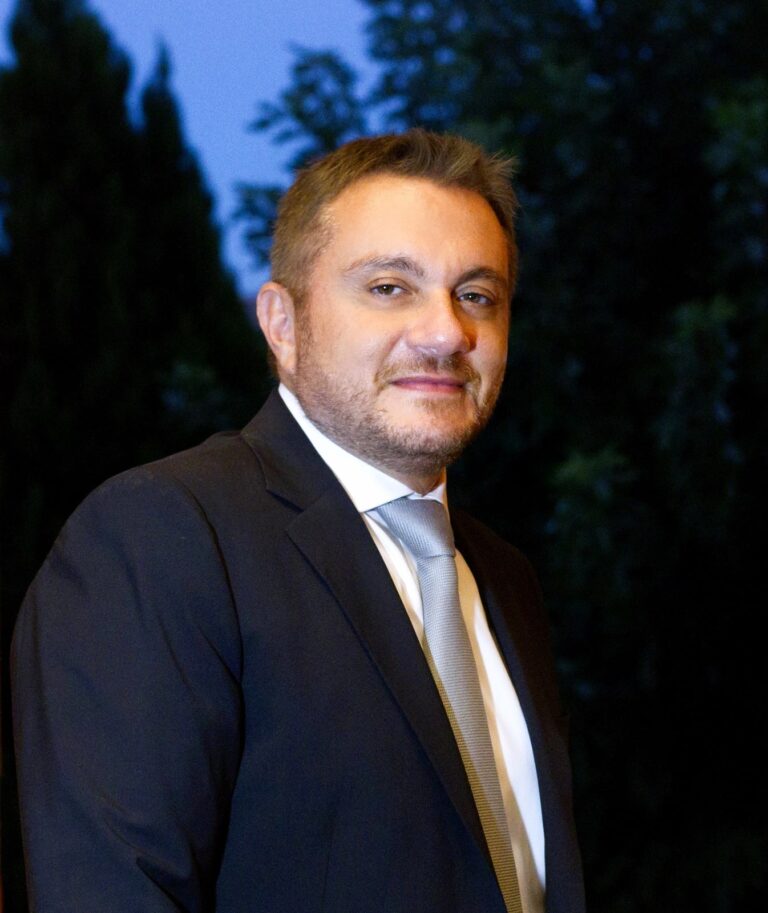
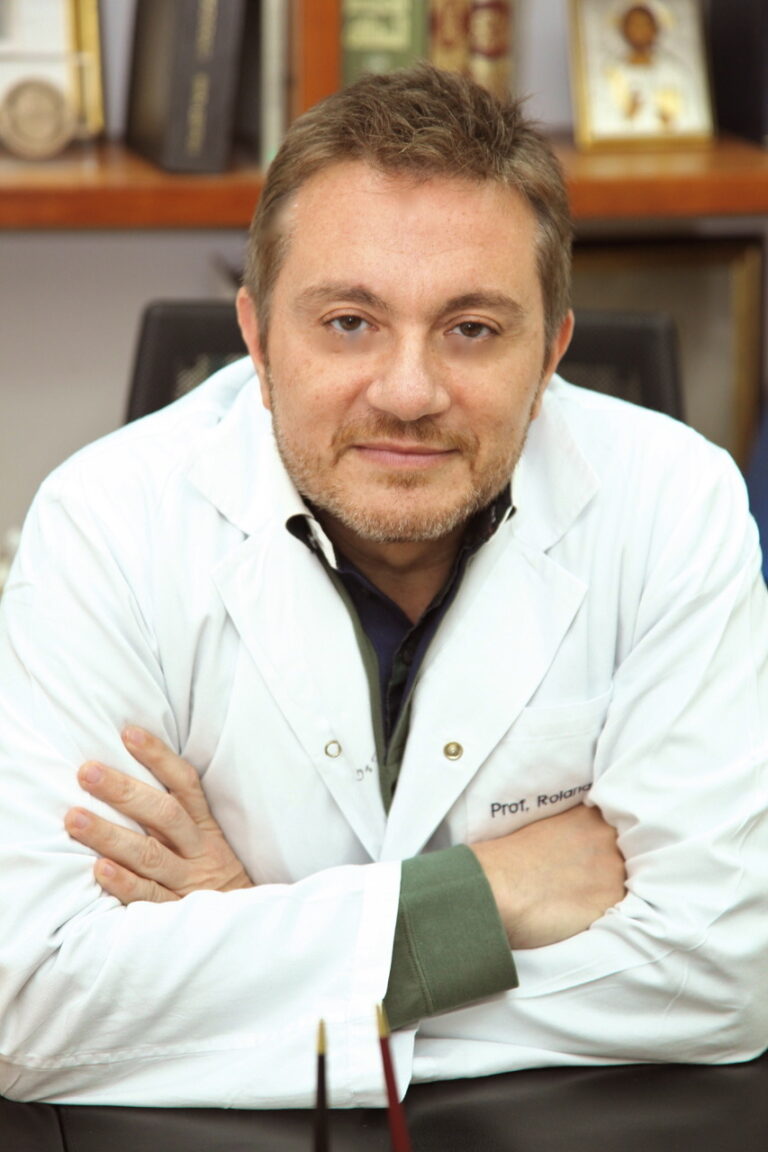
In this context, the role of a leading skin care specialist becomes paramount. It is here that Prof. Roland Tomb distinguishes himself as a preeminent authority in the field. As a physician and researcher based in Beirut, his credentials extend far beyond a standard clinical practice. He is a Professor and the Head of the Department of Dermatology at Université Saint-Joseph (USJ) and Hôtel-Dieu de France, and he previously served as the Dean of the Medical School for 12 years. His extensive body of work includes hundreds of Dermatology Articles Roland Tomb has published in international journals, cementing his position as a recognized expert in clinical and fundamental dermatology and allergology. This comprehensive expertise allows for an approach to skin health that is both deeply scientific and tailored to the local community’s needs.
The Foundational Pillars of Care: Your Skin Care Specialist as a Partner
 Understanding the spectrum of professional skin care is the first step toward achieving lasting skin health. The term “skin care specialist” is broad and can encompass various roles, from those focused on aesthetic enhancement to those trained to diagnose and treat complex diseases. A fundamental distinction exists between a medical dermatologist and an esthetician, and recognizing this difference is crucial for a patient seeking the most appropriate care.
A dermatologist, such as Prof. Roland Tomb, is a medical doctor who undergoes extensive medical training to diagnose and treat a wide array of skin conditions, including serious issues like skin cancer. This medical expertise allows them to prescribe medications, perform surgical procedures, and offer a wide range of therapeutic interventions that are beyond the scope of a non-medical professional. In contrast, a licensed esthetician is a skin care specialist focused on cosmetic treatments. Their services include facials, peels, and hair removal, which are aimed at enhancing the skin’s appearance and health through non-medical means. Estheticians often work in a complementary role, collaborating with dermatologists to support medical treatment plans. For instance, a patient receiving medical care for acne might also see an esthetician for cosmetic peels or extractions to improve skin clarity. A true skin care specialist understands this collaborative model, ensuring patients receive comprehensive and ethically guided care.
A proactive approach to skin health, anchored by a yearly skin exam, is perhaps the single most important habit an individual can adopt. While seemingly simple, this routine screening is a critical component of preventive care. The evidence is compelling: with early detection, the survival rate for common forms of skin cancer like Basal Cell Carcinoma and Squamous Cell Carcinoma can be over 99%. Even for melanoma, a more aggressive form of skin cancer, early detection significantly improves the chances of a successful outcome. Skin cancer is one of the most common cancers worldwide, and its incidence is on the rise. Neglecting a yearly skin exam is not merely a personal oversight; it represents a missed opportunity to intervene at the most curable stage of the disease. Furthermore, regular screenings are particularly vital in a country like Lebanon, given the rising melanoma incidence rates in recent years and the local myths that skin cancer is a problem only for those with fair skin. An experienced skin care specialist recognizes that skin cancer can manifest differently in all skin tones, making consistent, professional check-ups a non-negotiable part of a long-term skin health strategy.
A Deep Dive into Common Skin Conditions with Advanced Science
Navigating Acne Treatment Beirut and Beyond
Acne is a highly prevalent inflammatory skin condition that can significantly impact a person’s self-esteem and quality of life. Effective Acne treatment Beirut and Acne Treatment Lebanon requires a multi-faceted approach, tailored to the individual’s specific case. Treatment options range from foundational at-home routines to advanced professional interventions. A qualified skin care specialist will often start with lifestyle advice, such as using gentle, non-abrasive cleansers, avoiding irritating products, and not picking at blemishes to prevent scarring.
For more persistent cases, a dermatologist can prescribe a range of topical medications, including retinoids like adapalene and tretinoin, which unclog pores and prevent new breakouts, and benzoyl peroxide, which kills acne-causing bacteria. Oral medications, such as antibiotics, hormonal therapies (like birth control pills), and isotretinoin, are reserved for moderate to severe cases. Beyond topical and oral medications, clinics in Beirut are known for providing professional treatments like chemical peels and laser therapy. Chemical peels, for example, deeply exfoliate the skin to clear clogged pores and stimulate skin renewal, while lasers can reduce bacteria and improve the appearance of acne scarring. A comprehensive skin care specialist combines these modalities to provide a personalized plan, ensuring that patients receive a strategy that delivers real, lasting results.
Choosing the Right Acne Medication: Insights from Recent Studies
One of the most critical aspects of expert care is the ability to move beyond general guidelines and apply a deep, research-based understanding of therapeutic agents. This is particularly true when it comes to medications like isotretinoin, a powerful oral retinoid used for severe and refractory acne. While highly effective, isotretinoin is known for its wide range of potential side effects, which can vary by patient and even by brand.
A groundbreaking retrospective observational study, co-authored by Prof. Roland Tomb, provided unparalleled insights into the variability of these adverse events with a specific Isotretinoin brand side effects comparison. This study, conducted on patients receiving Acne Treatment Lebanon, revealed that the prevalence of certain side effects was significantly correlated with the brand of medication used. For instance, the research found that the brand Roaccutane® had the highest frequencies of hypercholesterolemia and eczema, while Curacné® was most associated with hypertriglyceridemia and epistaxis. Acnotren® was linked to a high frequency of abnormal liver function tests, and Contracné® was notably associated with tendon pain, lower back pain, menstrual irregularity, and mood disorders.
This profound finding demonstrates a level of clinical expertise that transcends standard practice. A skin care specialist who is actively involved in such research can provide a more nuanced and patient-centric approach to care. Rather than simply prescribing a medication, a physician with this knowledge can consider the specific formulation and potential brand-specific risks, allowing for more informed decision-making and better management of patient expectations. This kind of specialized knowledge is essential for “Choosing the right acne medication: Insights from recent studies” and showcases a commitment to granular, evidence-based dermatology.
In-Depth Management of Chronic Conditions
Chronic skin conditions, such as Rosacea, Eczema, and Psoriasis, require continuous management and a deep understanding of the latest therapeutic advancements. These conditions, though rarely life-threatening, can significantly diminish a patient’s quality of life. Fortunately, an experienced skin care specialist has a growing arsenal of treatments at their disposal.
For Rosacea, a condition that causes facial redness, an Eczema doctor Beirut or dermatologist may prescribe topical medications like metronidazole, azelaic acid, or ivermectin, as well as oral antibiotics. The latest research also points to advanced laser and light therapies, such as Pulsed Dye Lasers (PDL) and Intense Pulsed Light (IPL), which can effectively reduce persistent redness and telangiectasia by targeting and shrinking dilated blood vessels.
Eczema, or atopic dermatitis, is characterized by dry, itchy, and inflamed skin. A comprehensive Eczema doctor Beirut will recommend a stepped approach to treatment, beginning with self-care measures like regular moisturizing with emollients and using gentle, non-soap cleansers. For more severe symptoms, a skin care specialist may prescribe topical corticosteroids or immunomodulators. For individuals with difficult-to-treat cases, advanced therapies are now available, including biologics and Janus kinase (JAK) inhibitors, which target the underlying inflammatory processes that cause the condition. The availability of these modern therapies offers significant hope for patients seeking effective Eczema Treatment Lebanon.
Psoriasis is a condition where skin cells multiply rapidly, leading to thick, scaly patches. Treatment strategies for Psoriasis have seen some of the most dramatic advancements in modern medicine. While topical corticosteroids and retinoids remain a mainstay of therapy, a dermatologist can also recommend UV light therapy, including narrow-band UVB and excimer lasers. For moderate to severe cases, systemic medications are often necessary. The latest hair loss research and treatments now include a range of groundbreaking biologics that target specific immune pathways, as well as new oral medications like JAK and TYK2 inhibitors. This emphasis on advanced, research-driven treatments for Rosacea, Eczema, and Psoriasis highlights the importance of choosing a skin care specialist who stays at the forefront of the field.
| Condition | Key Symptoms | Modern Treatment Approaches |
| Acne | Pimples, blackheads, whiteheads, cysts | Topical retinoids, benzoyl peroxide, oral antibiotics, isotretinoin, chemical peels, laser therapy |
| Rosacea | Facial redness, flushing, visible blood vessels, bumps | Topical ivermectin, azelaic acid, oral antibiotics, Pulsed Dye Lasers (PDL), Intense Pulsed Light (IPL) |
| Eczema | Itchy, red, dry, cracked skin lesions | Emollients, topical steroids, phototherapy, advanced biologics, Janus kinase (JAK) inhibitors |
| Psoriasis | Thick, red patches with silvery scales, itching | Topical corticosteroids, UV light therapy (UVB, excimer laser), biologics, JAK inhibitors, oral retinoids |
| Vitiligo | Depigmented skin patches | Topical corticosteroids, JAK inhibitors (ruxolitinib), phototherapy (UVB, PUVA), depigmentation therapy, skin grafting |
| Warts | Rough, raised bumps | Cryotherapy, topical salicylic acid, cantharidin, immunotherapy, surgical removal, laser therapy |
| Fungal Infections | Redness, itching, scaling, discoloration | Oral and topical antifungal drugs, medicated creams, polishes, laser therapy |
| Nail Conditions | Nail thickening, discoloration, brittleness, separation | Oral and topical antifungal drugs, medicated polishes, surgery, moisturizers |
| Skin Cancer | New moles, changing moles, non-healing sores, pearly/waxy bumps | Mohs surgery, excisional surgery, cryotherapy, immunotherapy, radiation, photodynamic therapy |
The Frontier of Dermatology: Hair, Nails, and Complex Diagnoses
Understanding Hair Loss Solutions Lebanon in the Age of Research
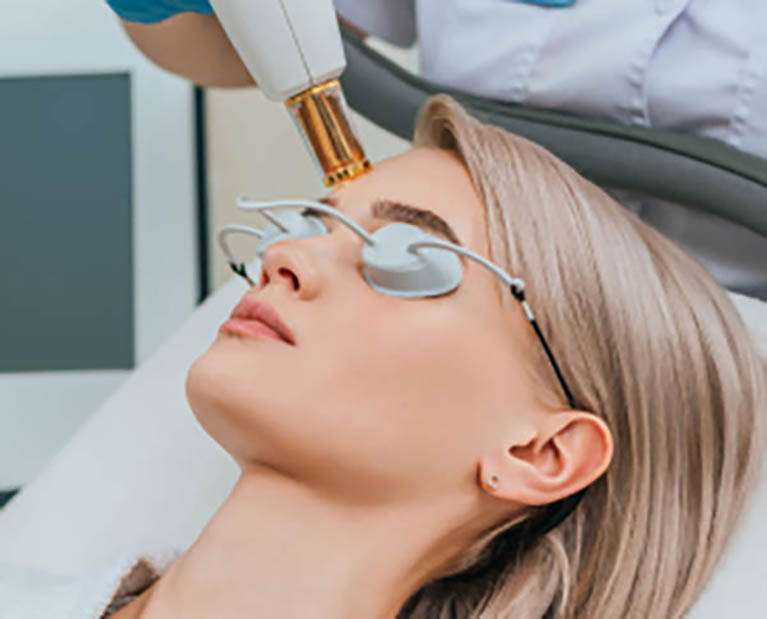
For many, hair loss is not just a physical change but a deeply emotional and psychological challenge. Effective Hair loss solutions Lebanon must therefore address both the visible symptoms and the underlying causes. Traditional treatments for hair loss range from hair replacement systems for a non-surgical approach to advanced surgical procedures like hair transplants, which have seen significant refinement in techniques like Ultra Fine FUE. While these are established and reliable options, the field of dermatology is rapidly evolving, and the latest research is unlocking a new era of hair regeneration.
The question of “What the latest hair loss research means for you” is answered by a paradigm shift in our understanding of hair biology. Scientists have identified molecular systems and a previously overlooked population of stem cells in the hair follicle that, when activated, could restore hair growth. This research suggests that androgenetic alopecia, often considered permanent, may instead be a reversible state where hair follicles enter a prolonged “sleep mode”. This has opened the door to future treatments that are drug-free and surgery-free, including gene therapy to correct genetic flaws, stem cell-based treatments to reinforce follicle structure, and antibody therapies to block inhibitory signals. This new understanding reframes hair loss not as permanent damage but as a reversible biological state, offering unprecedented hope for a future where hair regrowth is possible at the molecular level. A forward-thinking skin care specialist remains abreast of these innovations, offering patients a path that extends beyond conventional solutions.
The Nuance of Iron Supplementation and Telogen Effluvium
The role of a research-oriented skin care specialist is to challenge and refine conventional medical wisdom. This is perfectly exemplified by the research of Prof. Roland Tomb on Iron supplementation telogen effluvium, a common form of diffuse hair shedding in women. While low ferritin levels have long been associated with hair loss, a study co-authored by Prof. Roland Tomb revealed a surprising and valuable clinical finding. The study concluded that iron supplementation can improve patient satisfaction with hair growth even if their serum ferritin levels are not clinically low. Patients with higher baseline ferritin levels and those receiving higher doses of iron reported greater satisfaction, a finding that challenges the traditional threshold for prescribing supplementation. This unique research underscores a more patient-centric approach to care, where a physician considers not just the textbook lab values but also the patient’s lived experience and psychological well-being. This kind of research-driven nuance is what truly differentiates a leading skin care specialist from a standard practitioner.
Solving the Puzzle: Diagnosing Rare Skin Conditions & More
The human body’s largest organ is susceptible to thousands of conditions, and an experienced skin care specialist must be a medical detective, capable of solving the most complex dermatological puzzles. Diagnosing a Rare skin disease diagnosis Beirut requires a highly trained eye to differentiate between rare disorders and more common conditions that can mimic them. For instance, a Perioral dermatitis treatment Beirut specialist must be able to distinguish this condition from acne, rosacea, or even other forms of dermatitis. Similarly, a Lichen planus specialist Lebanon must recognize that this inflammatory condition can affect the skin, hair, and nails, and may resemble other common rashes or infections.
The expertise of a dermatologist is essential for diagnosing conditions that are frequently misidentified. A prime example is the need to distinguish between a fungal infection and other nail conditions like psoriasis of the nail, which can present with similar symptoms such as thickening and discoloration. In addition, rare genetic disorders like Epidermolysis bullosa and Hailey-Hailey disease can be challenging to diagnose. The skin fragility and blistering associated with Epidermolysis bullosa, and the erosions of Hailey-Hailey disease, require a precise diagnostic approach, often involving a biopsy to differentiate them from autoimmune disorders like pemphigus. A skin care specialist with a background in pediatric dermatology and rare diseases possesses the necessary skills to navigate these complex cases, providing accurate diagnoses and effective management for conditions that may have gone untreated for years.
A Lifelong Journey: Skin Care for Every Age and Need in Lebanon
A comprehensive skin care specialist recognizes that dermatological needs evolve throughout a person’s life, from infancy to old age. A holistic approach to Skin health Lebanon therefore includes specialized care for children, adults, and the elderly.
Pediatric dermatology Lebanon is a delicate and highly specialized field. A skin care specialist must be able to treat common childhood conditions with a gentle and compassionate approach, including atopic dermatitis (Eczema), warts, molluscum contagiosum, and impetigo. These conditions require a unique blend of medical expertise and an understanding of the child’s and caregiver’s needs. From managing the “itch-scratch cycle” of eczema to performing minor surgical procedures, a pediatric dermatologist ensures that children receive the appropriate care to address their skin issues effectively and with minimal discomfort.
Similarly, Geriatric skin care Beirut addresses the unique challenges of aging skin. With increased life expectancy in Lebanon, the demand for specialized care for the elderly has grown. As skin ages, its barrier function and ability to heal wounds decline, making it more susceptible to common conditions like infections, dermatitis, and ulcers. A dermatologist specializing in Geriatric skin care Beirut must also consider the complexities of managing comorbidities and multiple medications that are common in this patient population. A skin care specialist focuses on proactive, preventative care for the elderly, emphasizing the importance of daily moisturization and vigilant monitoring for signs of skin cancer.
Advanced Aesthetic & Cosmetic Dermatology Lebanon
Modern dermatology has evolved to seamlessly merge medical science with aesthetic artistry. For an ethical skin care specialist, this integration is not about vanity but about providing restorative and preventative treatments that enhance a person’s confidence and quality of life. The field of Cosmetic dermatology Lebanon offers a vast array of services, from skin rejuvenation and tightening to corrective procedures for scars and pigmentation.
An Advanced skin care clinic Beirut is defined not just by its technology but by its guiding principles. The Department of Dermatology at Hôtel-Dieu de France, where Prof. Roland Tomb is a leader, was the first university hospital in Lebanon to pioneer Aesthetic Dermatology Beirut within an ethical and medical framework. This is a crucial distinction, as it ensures that all cosmetic procedures are recommended based on clinical benefit and patient safety, not just on commercial trends. Services offered include chemical peels for rejuvenation, laser and light therapies for skin resurfacing and treating redness, and injectables like Botox and fillers for restoring volume and reducing wrinkles. These advanced techniques are part of a broader vision of skin care, combining leading-edge technology with a deep commitment to ethical practice.
For a patient, this means selecting a skin care specialist who can provide both medical-grade skin treatments and the most advanced cosmetic procedures, all under one roof. The availability of services like photorejuvenation, radiofrequency treatments, and microneedling at an advanced skin care clinic Beirut allows for a comprehensive and personalized approach that targets multiple concerns, from fine lines to uneven texture.
Conclusion
The journey to optimal skin health is a lifelong endeavor that demands both personal vigilance and expert guidance. From addressing common concerns like Acne and Rosacea to managing complex conditions such as Perioral dermatitis treatment Beirut, and from diagnosing rare disorders to providing specialized care for every age, the role of a skin care specialist is both expansive and deeply personal. The need for this expertise in a city like Beirut is evident, given the local dermatological challenges and the importance of preventive care.
The comprehensive practice and extensive research of Prof. Roland Tomb offer a unique resource for anyone seeking a true skin care specialist. His work on topics like the Isotretinoin brand side effects comparison and the nuances of Iron supplementation telogen effluvium demonstrates a level of clinical and academic rigor that is unparalleled. He and his team are equipped to provide a wide range of services, including top-tier Eczema Treatment Lebanon, advanced Hair loss solutions Lebanon, and ethical Aesthetic Dermatology Beirut. His leadership in pioneering Aesthetic Dermatology Beirut within a medical framework sets a new standard for patient care.
For anyone committed to their skin health, whether for a specific concern or as part of a lifelong wellness strategy, choosing a highly qualified and research-driven skin care specialist is the single most impactful decision they can make. The foundation of healthy skin is built on trust, expertise, and a personalized approach, and that journey begins with a professional consultation. Contact us here for more information.