Why More Patients Trust Cosmetology Lebanon Today
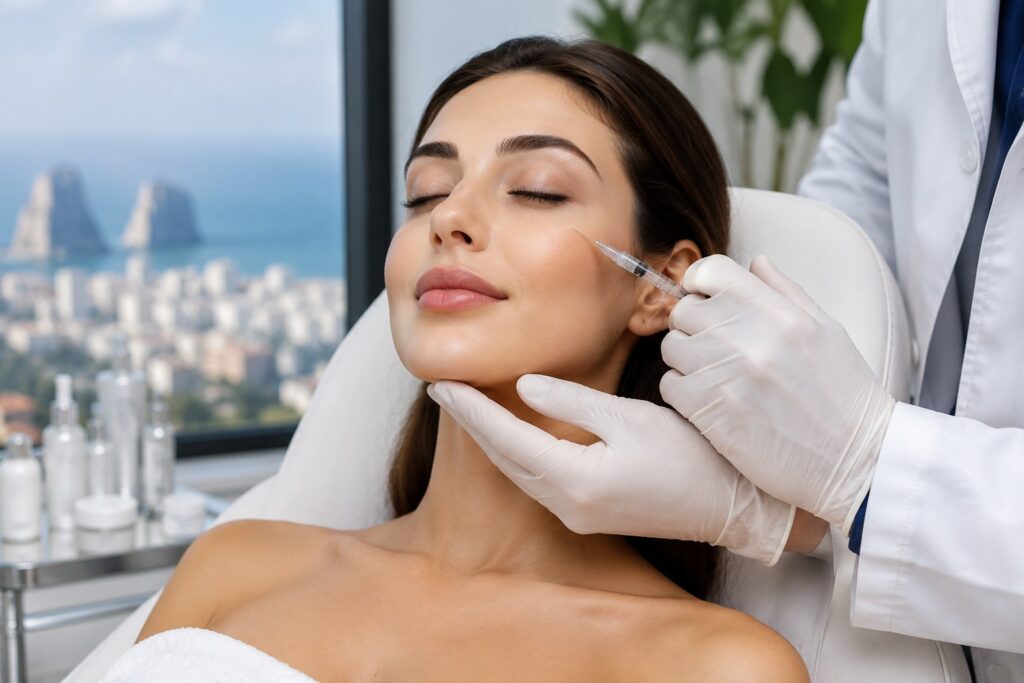
Medical Cosmetology in Lebanon: Achieving Natural Rejuvenation through Science The evolution of aesthetic medicine in the Levant has reached a critical inflection point. As Beirut continues to solidify its reputation as a regional hub for beauty and wellness, the market for cosmetology lebanon has become increasingly complex, characterized by a proliferation of “beauty centers” and high-tech clinics promising miraculous results. However, for the discerning patient, the quest for aesthetic enhancement is no longer just about surface-level changes; it is about the intersection of biological integrity, medical rigor, and ethical responsibility. At the forefront of this movement is Prof. Roland Tomb, a figure whose professional profile represents the “Physician-Scientist” ideal in modern dermatology. As the Honorary Dean of the Faculty of Medicine at Saint Joseph University (USJ) and the Head of the Dermatology Department at Hôtel-Dieu de France (HDF), he has pioneered a model of medical-based skin aesthetics that prioritizes health and science over commercial trends. This comprehensive analysis explores why seeking the best dermatologist for cosmetology in beirut is essential for those who desire skin rejuvenation that is both natural and biologically sustainable. The Distinction: “Beauty Center” vs. “Medical Cosmetology“ The most significant challenge facing patients in the current market for cosmetology lebanon is the blurred line between non-medical aesthetic centers and legitimate medical dermatology clinics. While beauty centers often offer competitive pricing and aggressive marketing, they frequently operate without the oversight of a board-certified physician. This distinction is not merely semantic; it has profound implications for patient safety and the quality of advanced skin care lebanon. The Biological Depth of Medical Care In a “Beauty Center,” treatments are often performed by technicians who focus on the immediate visual result. In contrast, medical-based skin aesthetics as practiced by Prof. Roland Tomb is grounded in a deep understanding of skin physiology, pharmacology, and anatomy. A medical dermatologist recognizes that the skin is a complex organ that reflects internal health. For example, what a technician might see as a simple pigmentation issue, a physician-scientist might identify as a symptom of a deeper metabolic or autoimmune condition. Clinical Rigor and Safety Protocols The infrastructure of a university hospital like Hôtel-Dieu de France provides a safety net that no independent beauty center can match. Under the guidance of Prof. Roland Tomb, the dermatology clinic integrates advanced diagnostic tools with therapeutic interventions, ensuring that procedures like chemical peels or laser therapy are performed with medical-grade precision. This clinical rigor is what defines the standard for cosmetology lebanon and protects patients from the long-term complications often associated with unregulated aesthetic practices. The Physician-Scientist Model: A Benchmark for Excellence To achieve true skin rejuvenation, one must look beyond the needle. The “Physician-Scientist” model, championed by Prof. Roland Tomb, ensures that every aesthetic treatment is informed by a career dedicated to research and academic stewardship. With over 450 articles published in international medical journals, his work spans the entire spectrum of skin health, from fundamental research in murine models to clinical studies on acne and hair loss. Integrating Research into Aesthetics A primary advantage of consulting the best dermatologist for cosmetology in beirut is access to the latest scientific breakthroughs. At USJ, Prof. Tomb has overseen the development of research laboratories focusing on regenerative medicine and cancer metabolism. This academic environment allows for the rapid translation of laboratory findings into clinical protocols. For instance, his 2023 study on oral isotretinoin brands highlights the importance of pharmacological precision in managing acne, ensuring that aesthetic results are achieved with minimal adverse events like hypercholesterolemia or eczema. The Global Perspective The authority of Prof. Roland Tomb is recognized far beyond the borders of Lebanon. His election as a Visiting Professor at the prestigious Collège de France in 2022 and his role as Vice-Chairman of the International Bioethics Committee at UNESCO cement his reputation as a global leader in medical thought. For a patient seeking cosmetology lebanon, this means their care is guided by international standards of excellence and a world-class academic perspective. Procedures at HDF: Botox, Fillers, and Advanced Peels The clinical “scope of work” for cosmetology lebanon at Hôtel-Dieu de France is defined by a commitment to functional bio-restoration. The goal is not to create a “frozen” or artificial appearance, but to restore the youthful architecture of the face through science-based interventions. Precision in Botox and Fillers The application of botulinum toxin and dermal fillers requires an intimate knowledge of facial musculature and vascularity. At the HDF Dermatology Clinic, these procedures are treated with the same precision as minor surgery. Prof. Roland Tomb emphasizes a conservative approach, utilizing high-quality biostimulatory fillers that encourage the body’s own collagen production. This method ensures that skin rejuvenation is a gradual, natural process that respects the patient’s unique anatomy. Furthermore, his research into clinical resistance to botulinum toxin type A in aesthetic medicine provides critical insights into why some patients may stop responding to treatments over time. This level of pharmacological expertise is essential for tailoring protocols to individual biological responses, a hallmark of the care provided by the best dermatologist for cosmetology in beirut. Specialized Medical Peels For patients dealing with hyperpigmentation, acne scarring, or photoaging, advanced chemical peels offer a powerful path to skin rejuvenation. Unlike “spa peels,” the medical-grade peels at HDF utilize varying concentrations of alpha and beta-hydroxy acids, as well as TCA, to target specific layers of the dermis. This “Specialized Medical Expertise” ensures that the peel effectively induces skin regeneration without the risks of scarring or post-inflammatory hyperpigmentation. The Bioethical Compass: Preventing the “Botched” Result One of the most critical aspects of Prof. Tomb’s practice is his role as a leading bioethicist. Holding a Ph.D. in Philosophy and Ethics from Aix-Marseille University, he brings a unique “Ethical Compass” to the field of cosmetology lebanon. In a region where aesthetic trends can sometimes outpace medical caution, this ethical grounding is a vital safeguard for patients. Patient Safety and Informed Consent The bioethical approach to medical-based skin aesthetics involves a rigorous process of informed consent. Prof. Roland Tomb ensures
Regenerative medicine breakthroughs: Elite Mastery
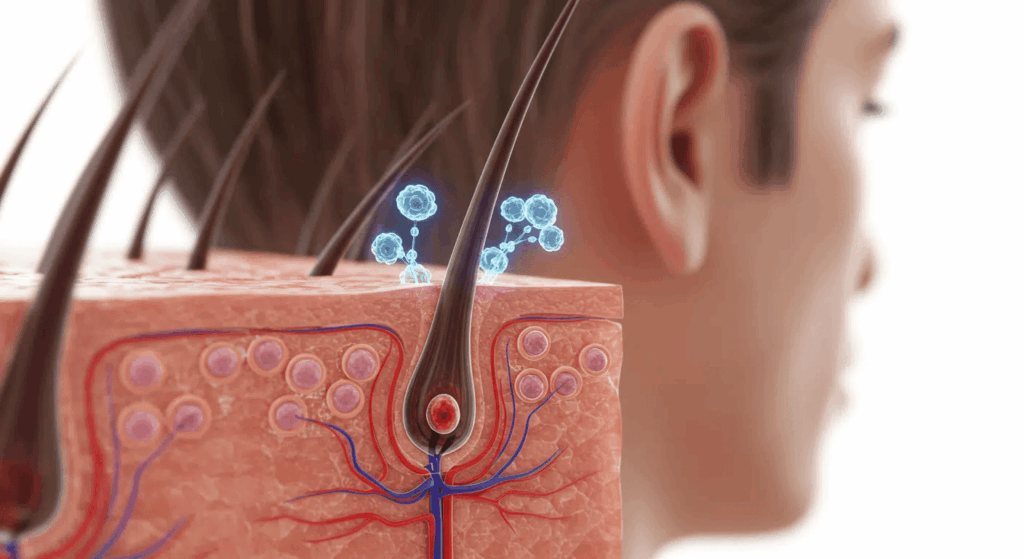
Regenerative medicine breakthroughs: 7 Elite Innovations for Mastering Hair Regrowth Success In the modern clinical era, the management of hair and scalp disorders has moved significantly beyond the traditional reliance on simple topical applications and generic supplements. We are currently witnessing a biological revolution where the focus is shifting toward the activation of the body’s innate cellular intelligence. These Regenerative medicine breakthroughs are redefining the possibilities for patients suffering from thinning hair and scalp atrophy, offering a path toward structural restoration rather than just symptomatic camouflage. Prof. Roland Tomb stands at the forefront of this scientific shift in the Middle East. As a world-renowned physician-scientist and an active Dermatology researcher Lebanon, he integrates his vast knowledge of metabolism, cancer biology, and bioethics into the field of trichology. This blog explores how recent Regenerative medicine breakthroughs are being applied to provide the most advanced Hair loss treatment Lebanon has to offer, focusing on the elite innovations that ensure sustainable clinical success. 1. The Foundation of Follicular Biology Research To treat hair loss effectively, one must first understand the complex micro-environment of the hair follicle. The follicle is a dynamic organ that undergoes continuous cycles of growth (anagen), regression (catagen), and rest (telogen). Recent Follicular biology research has highlighted the critical role of the “bulge” region, where multipotent stem cells reside. These cells are responsible for regenerating the entire follicle in every new growth cycle. Prof. Roland Tomb emphasizes that any successful Hair regrowth science must target these stem cell populations. Through extensive Follicular biology research, clinicians have identified that the communication between the dermal papilla and the overlying epithelium is governed by complex signaling pathways, such as the Wnt/beta-catenin pathway. By understanding these molecular triggers, Regenerative medicine breakthroughs allow us to restart the growth cycle in follicles that have prematurely entered a dormant state. This deep dive into Follicular biology research is what differentiates a standard clinic from a high-level research facility. 2. Platelet-Rich Plasma Skin Research and Growth Factors One of the most widely recognized Regenerative medicine breakthroughs in recent years is the refinement of Platelet-Rich Plasma (PRP). However, not all PRP is created equal. Platelet-Rich Plasma skin research has shown that the concentration of platelets, the presence or absence of leukocytes, and the activation method significantly impact the therapeutic outcome. In the context of Hair loss treatment Lebanon, Prof. Tomb utilizes hospital-grade centrifugation to ensure a high concentration of Autologous growth factors. The use of Autologous growth factors substances derived from the patient’s own blood ensures absolute biocompatibility and eliminates the risk of allergic reactions. These Autologous growth factors, including VEGF (Vascular Endothelial Growth Factor) and PDGF (Platelet-Derived Growth Factor), act as biological “fertilizers” for the scalp. By applying the latest findings from Platelet-Rich Plasma skin research, clinicians can stimulate angiogenesis (new blood vessel formation) around the follicle, providing the nutrients necessary for robust hair production. This application of Autologous growth factors remains a cornerstone of elite Hair regrowth science. 3. Stem Cell Therapy for Skin and Follicular Repair The most profound of the Regenerative medicine breakthroughs involves the direct utilization of cellular therapies. Stem cell therapy for skin and hair restoration focuses on harvesting undifferentiated cells that can either differentiate into follicular cells or secrete powerful paracrine signals that rejuvenate the existing tissue. This is the “holy grail” of Advanced tissue repair Lebanon. Prof. Roland Tomb monitors the global evolution of Stem cell therapy for skin, ensuring that his patients have access to protocols that are both safe and effective. By utilizing adipose-derived or follicle-derived stem cells, Stem cell therapy for skin can reverse the “miniaturization” of follicles seen in androgenetic alopecia. This is a vital component of Advanced tissue repair Lebanon, as it addresses the structural atrophy of the scalp. For those seeking a definitive solution, Stem cell therapy for skin offers a biological reset that traditional medications cannot match. 4. Mastering Alopecia Areata Management Alopecia areata is an autoimmune condition where the body’s own defense system attacks the hair follicles. Managing this condition requires more than just stimulation; it requires immunological modulation. Alopecia areata management has been transformed by Regenerative medicine breakthroughs that focus on restoring immune privilege to the follicle. Prof. Roland Tomb utilizes a combination of traditional and regenerative approaches to achieve stability and regrowth. In the context of Alopecia areata management, the use of JAK inhibitors and local biostimulators has shown great promise. Furthermore, Alopecia areata management in Prof. Tomb’s clinic is informed by his research into systemic inflammation and bioethics. By calming the inflammatory environment while simultaneously using Autologous growth factors to encourage repair, he provides a dual-action strategy for Alopecia areata management. This comprehensive approach is what makes him a leading Dermatology researcher Lebanon. 5. Telogen Effluvium Solutions: Addressing the Metabolic Link Telogen effluvium is a form of temporary hair loss that often follows a systemic shock, such as high fever, severe stress, or nutritional deficiency. Developing effective Telogen effluvium solutions requires a deep understanding of Metabolic skin health. As a researcher in metabolism, Prof. Roland Tomb looks for the underlying nutritional and hormonal imbalances that cause the hair to prematurely enter the shedding phase. Modern Telogen effluvium solutions involve more than just iron supplements. They include the use of metabolic regulators and Regenerative medicine breakthroughs that shorten the telogen phase and accelerate the return to anagen. By optimizing Metabolic skin health, Prof. Tomb ensures that the scalp has the energetic resources needed to support hair production. These Telogen effluvium solutions provide a roadmap for long-term hair density, proving that Metabolic skin health is the foundation of any successful Hair regrowth science. 6. Chronic Wound Healing Beirut and Advanced Tissue Repair The principles of regeneration that govern hair regrowth are the same as those that govern Chronic wound healing Beirut. The scalp is essentially a complex tissue system, and when it is damaged by age or disease, it requires Advanced tissue repair Lebanon. Prof. Roland Tomb’s work in Chronic wound healing Beirut has provided him with unique insights into how
Regenerative Aesthetics Lebanon: 3 Pillars for Mastering Success

Regenerative Aesthetics: The Science of Skin Longevity in Lebanon The landscape of aesthetic medicine is currently undergoing its most significant paradigm shift in decades. We are moving away from the era of “filling and freezing” which often prioritized immediate volume or muscle paralysis and entering the era of regeneration. This new frontier, known as Regenerative Aesthetics Lebanon, focuses on restoring the biological function of the skin at a cellular level. It is no longer enough to simply look younger; the goal is to ensure the skin behaves younger. At the heart of this movement is Prof. Roland Tomb. As a physician, bioethicist, and seasoned researcher, Prof. Tomb has bridged the gap between complex hospital-grade science and patient-centered aesthetic care. By applying his background as a Regenerative medicine dermatology researcher, he has helped define the Future of aesthetic medicine Lebanon, moving the conversation from superficial beauty to the deeper, more sustainable principles of Skin longevity science Beirut. The Biological Shift: Beyond Traditional Aesthetics For years, the gold standard of anti-aging was reactive. When a wrinkle appeared, we injected a filler; when a muscle caused a line, we used a neuromodulator. While these tools remain vital, they do not address the root cause of aging: the decline in cellular energy and structural integrity. Regenerative Aesthetics Lebanon seeks to reverse this decline. By stimulating the body’s own healing mechanisms, we can encourage the production of fresh collagen, elastin, and hyaluronic acid. This approach is rooted in Evidence-based anti-aging. It requires a practitioner who understands the molecular pathways of the skin. Prof. Roland Tomb leverages his extensive research in cancer and metabolism to understand how cells communicate. In Skin longevity science Beirut, we look at the skin not just as a surface, but as a metabolic organ that can be “re-trained” to repair itself. This is the essence of Cellular skin rejuvenation treating the skin’s aging process as a biological condition that can be managed through Personalized longevity protocols. Pillar 1: Biostimulators Lebanon and Structural Bio-remodeling One of the cornerstones of this regenerative revolution is the use of biostimulators. Unlike traditional dermal fillers, which provide an instant but passive volume, Biostimulators Lebanon are injectable substances that trigger a “controlled” inflammatory response, signaling the body to grow its own structural proteins. This leads to a more natural, gradual, and long-lasting improvement in skin thickness and elasticity. Prof. Roland Tomb has been a pioneer in integrating these substances into clinical practice. Whether using Poly-L-lactic acid (PLLA) or Calcium Hydroxylapatite (CaHA), the focus of Biostimulators Lebanon is on the long-term health of the extracellular matrix. This process is often part of Bio-remodeling treatments Beirut, which aim to improve the overall architecture of the face rather than just targeting a single line. In the hands of a Regenerative medicine dermatology researcher, these treatments are administered with a focus on harmony and biological balance. Bio-remodeling treatments Beirut allow for a “lift from within,” restoring the youthful contours of the face without the “overfilled” look that has characterized the previous decade of aesthetics. This focus on structural integrity is a key reason why Regenerative Aesthetics Lebanon is becoming the preferred choice for discerning patients who value Evidence-based anti-aging. Pillar 2: The New Frontier of Exosome Therapy Beirut If biostimulators are the “scaffold” of regeneration, exosomes are the “messengers.” Exosome therapy Beirut represents the cutting edge of Cellular skin rejuvenation. Exosomes are tiny extracellular vesicles that carry proteins, lipids, and genetic material between cells. In the context of Regenerative Aesthetics Lebanon, these powerful messengers can be applied to “instruct” old or damaged skin cells to begin the repair process. Prof. Roland Tomb regenerative medicine research has long focused on how these cellular signals can be harnessed for healing. When applied topically or via microneedling, exosomes can drastically reduce recovery time after procedures and significantly enhance the results of Skin longevity science Beirut. They are particularly effective for addressing chronic inflammation the “inflammaging” that accelerates skin decline. Because Exosome therapy Beirut is a highly specialized biological treatment, it must be governed by strict clinical standards. This is where the Hôtel-Dieu de France regenerative aesthetics department provides an unparalleled advantage. Operating within a teaching hospital environment ensures that these treatments meet the highest safety protocols. As the Future of aesthetic medicine Lebanon continues to evolve, exosomes will likely become the primary tool for achieving Cellular skin rejuvenation and maintaining Personalized longevity protocols. Pillar 3: Polynucleotides treatment Lebanon and DNA Repair Another breakthrough in the field is the use of polynucleotides. While biostimulators focus on collagen and exosomes on signaling, Polynucleotides treatment Lebanon focuses on the health of the DNA and the hydration of the deep dermis. Derived from natural sources, these chains of nucleotides act as “biopolymers” that repair damaged tissues and promote an intense bio-revitalization. Prof. Roland Tomb integrates Polynucleotides treatment Lebanon into his protocols to address areas that are traditionally difficult to treat, such as the delicate skin around the eyes or the neck. This treatment is a prime example of Evidence-based anti-aging, as it provides the raw materials the skin needs to heal itself from within. By incorporating these into Bio-remodeling treatments Beirut, Prof. Tomb can offer a multi-layered approach to skin health. The use of Polynucleotides treatment Lebanon is a testament to the sophistication of the current Future of aesthetic medicine Lebanon. It moves the needle from “fixing” to “nurturing.” For patients in Beirut, this means access to a level of care that prioritizes the biological age of the skin over its chronological age. This is the true meaning of Skin longevity science Beirut: using science to extend the “health-span” of our largest organ. The Institutional Pillar: Hôtel-Dieu de France Regenerative Aesthetics High-level regeneration cannot be practiced in a vacuum; it requires an institutional framework that supports research and safety. Hôtel-Dieu de France regenerative aesthetics serves as this foundation for Prof. Roland Tomb. As a professor and researcher at the University Saint-Joseph (USJ), Prof. Tomb ensures that every treatment offered from biostimulators to exosome therapy is backed by
Dermatology-Backed Hair Treatments: Proven Results with
Dermatology-Backed Hair Treatments: 7 Proven Results For many, hair loss is more than a cosmetic concern; it is a profound medical challenge that impacts self-image and psychological health. In a market flooded with over-the-counter “miracle” cures and unverified salon treatments, the need for a clinical, evidence-based approach has never been more critical. Dermatology-Backed Hair Treatments represent the intersection of advanced biology and aesthetic restoration, moving away from superficial fixes toward deep-rooted medical solutions. When addressing the complexities of the scalp, one must look to a leader who synthesizes clinical practice with high-level research. Prof. Roland Tomb a physician, researcher, and former Dean of the Faculty of Medicine at Saint-Joseph University has dedicated his career to bringing academic rigor to the field of skin and hair health. Through his work in regenerative medicine and clinical dermatology, he has established a framework where patients can access the most sophisticated and Scientific hair loss solutions available today. In this guide, we explore how Dermatology-Backed Hair Treatments provide a definitive roadmap to recovery, outlining seven proven results that only a medical approach can achieve. The Shift to Clinical Trichology in Lebanon Traditional approaches to hair thinning often rely on generic shampoos or vitamins. However, Clinical trichology Lebanon has evolved into a specialized branch of dermatology that treats the hair and scalp as a complex organ system. A Hair loss specialist Beirut understands that hair is a biomarker for internal health, reflecting everything from hormonal imbalances to nutritional deficiencies. By seeking a Medical hair loss consultation, patients transition from “trying products” to “treating a condition.” Prof. Roland Tomb emphasizes that without a precise diagnosis, any attempt at restoration is speculative. Dermatology-Backed Hair Treatments begin with a deep dive into the patient’s medical history, genetic predisposition, and current physiological state. This is the foundation of Evidence-based hair treatments using data to drive clinical decisions rather than marketing trends. Proven Result: Accurate Diagnostic Clarity The first and most vital result of choosing Dermatology-Backed Hair Treatments is an accurate diagnosis. Hair loss is not a single disease; it is a symptom of various underlying issues. During a Medical hair loss consultation, a specialist uses tools like trichoscopy to examine the scalp at high magnification. Whether the condition is androgenetic alopecia, alopecia areata, or telogen effluvium, each requires a vastly different therapeutic path. Prof. Roland Tomb leverages his background as a Dermatology researcher hair loss to identify the subtle cellular changes that indicate the specific type of hair loss. This diagnostic clarity prevents the waste of time and resources on ineffective treatments and ensures that Scientific hair loss solutions are applied precisely where they are needed. The Hôtel-Dieu de France dermatology department serves as a hub for this level of diagnostic excellence. Here, Hair science and research are integrated into every patient interaction, ensuring that the diagnosis is not just an opinion, but a medically verified fact. Proven Result: Specialized Alopecia Treatment Lebanon Alopecia, in its various forms, can be devastating. Alopecia treatment Lebanon has seen significant advancements thanks to the integration of immunology and regenerative science. For those suffering from alopecia areata an autoimmune condition where the body attacks its own hair follicles Evidence-based hair treatments involve sophisticated modulation of the immune response. As a Dermatology researcher hair loss, Prof. Roland Tomb is at the forefront of studying how localized and systemic treatments can “reset” the follicle’s growth cycle. Dermatology-Backed Hair Treatments for alopecia often involve a combination of intralesional therapies and topical immunotherapy, protocols that must be managed by a qualified Hair loss specialist Beirut. This level of specialized care ensures that the Alopecia treatment Lebanon is both safe and effective, avoiding the risks associated with non-medical interventions. By relying on Hair science and research, Prof. Tomb provides a path toward regrowth that is grounded in the latest clinical trials. Proven Result: Expertise in Managing Telogen Effluvium Telogen effluvium is a common form of temporary hair loss often triggered by stress, illness, or rapid weight loss. Because it is a systemic reaction, it requires a Telogen effluvium specialist who can identify the “trigger event.” In the context of Clinical trichology Lebanon, managing this condition involves more than just waiting for regrowth. Dermatology-Backed Hair Treatments for telogen effluvium focus on stabilizing the hair cycle and optimizing the nutritional environment of the follicle. A Telogen effluvium specialist like Prof. Roland Tomb looks at blood work to check iron levels (ferritin), thyroid function, and vitamin status. By offering a Medical hair loss consultation that addresses these internal factors, Prof. Tomb ensures that the hair enters the anagen (growth) phase as quickly as possible. This holistic approach is a hallmark of Scientific hair loss solutions, recognizing that Scalp health and well-being are inseparable from overall physical health. Proven Result: PRP for Hair Regrowth Beirut One of the most exciting developments in Medical hair restoration is the use of Platelet-Rich Plasma (PRP). PRP for hair regrowth Beirut utilizes the patient’s own growth factors to stimulate dormant follicles and increase the diameter of existing hair shafts. However, the efficacy of PRP depends entirely on the preparation and injection protocol. Dermatology-Backed Hair Treatments involve hospital-grade centrifugation to ensure the highest concentration of platelets. Prof. Roland Tomb, with his extensive research in regenerative medicine, ensures that PRP for hair regrowth Beirut is administered with surgical precision. Patients seeking Medical hair restoration through PRP benefit from a treatment that is natural, biocompatible, and clinically proven. By integrating Advanced scalp therapies with PRP, Prof. Tomb provides a synergistic effect that maximizes regrowth potential. The success of PRP for hair regrowth Beirut in his practice is a testament to the power of combining Hair science and research with clinical expertise. Proven Result: Implementation of Advanced Scalp Therapies The health of the hair is entirely dependent on the environment of the scalp. Advanced scalp therapies go beyond basic cleansing to address issues like seborrheic dermatitis, follicular inflammation, and micro-circulation. Dermatology-Backed Hair Treatments often include the use of specialized lasers, mesotherapy, and medical-grade topicals that penetrate the dermal layer.
Academic Dermatology Lebanon: 5 Elite Keys to Success
Academic Dermatology Lebanon: The 5 Elite Training Pillars In the evolving landscape of global healthcare, the standard of medical instruction is the single most important predictor of future patient outcomes. Nowhere is this more evident than in the field of skin health, where the synthesis of clinical observation and scientific research is paramount. Academic Dermatology Lebanon has emerged as a regional benchmark for excellence, largely due to the integration of rigorous university standards with high-volume clinical practice. At the center of this movement is Prof. Roland Tomb, a physician-scientist whose career as a Dermatology professor Beirut has bridged the gap between traditional medicine and modern, evidence-based pedagogy. For students and practitioners alike, understanding the framework of Academic Dermatology Lebanon is essential for navigating the complexities of the field. This report outlines the five elite pillars that define this academic tradition, highlighting the role of leadership in fostering a resilient and globally integrated Medical education Lebanon system. Pillar 1: The Institutional Excellence of USJ and Hôtel-Dieu de France The foundation of any elite training program is the institution that hosts it. In the Lebanese context, the University Saint-Joseph Faculty of Medicine (USJ) represents a legacy of over a century of academic rigor. During his tenure as Dean, Prof. Roland Tomb oversaw a transformative era where the USJ medical school was not merely a place of learning, but a hub for international collaboration. A key component of this pillar is the relationship between the classroom and the clinic. The Hôtel-Dieu de France teaching hospital serves as the primary clinical site for USJ students, providing a high-fidelity environment where theoretical knowledge meets diverse patient presentations. For those specializing in skin health, Academic Dermatology Lebanon at HDF offers a unique exposure to rare diseases and complex dermatological cases that are seldom seen in private practice. The prestige of the USJ medical school is maintained through strict accreditation standards and a commitment to the “triple task” of being professional, cultural, and spiritual. This institutional strength ensures that Medical education Lebanon remains competitive on a global scale, attracting talent from across the Mediterranean. The leadership provided by a seasoned Medical school professor Lebanon like Prof. Tomb is what ensures these standards are consistently met across generations. Pillar 2: Mastery of Clinical Training Lebanon and Specialized Instruction The second pillar of Academic Dermatology Lebanon is the depth and specificity of the instruction. Unlike generalized medical training, dermatological mastery requires a keen eye for morphological nuances and a deep understanding of histopathology. Dermatopathology teaching is, therefore, a non-negotiable component of the curriculum. By integrating the study of skin tissues at a microscopic level, students learn to provide definitive diagnoses that go beyond superficial observation. Under the guidance of a Dermatology professor Beirut, students are introduced to the latest diagnostic technologies and therapeutic protocols. This Clinical training Lebanon is designed to be immersive, moving students through rotations in general dermatology, allergology, venereology (STIs), and cosmetology. This comprehensive approach ensures that the Dermatology residency Beirut is not just a period of labor, but a period of profound intellectual growth. A Medical school professor Lebanon must also act as a conduit for the latest research. Prof. Roland Tomb, as a prolific Dermatology researcher Lebanon, ensures that his students are always at the cutting edge of the field. Whether discussing the nuances of oral isotretinoin brands or the impact of iron supplementation on hair loss, the focus remains on evidence-based Clinical training Lebanon. This commitment to specialized instruction is what differentiates a standard practitioner from an elite specialist trained in the tradition of Academic Dermatology Lebanon. Pillar 3: Medical Education Leadership and Strategic Reform The third pillar focuses on the administrative and philosophical structures that govern the learning process. Medical education leadership is about more than just managing a faculty; it is about anticipating the future needs of the healthcare system. During his three terms as Dean, Prof. Roland Tomb demonstrated that effective Medical education leadership involves structural reform, such as the creation of the region’s largest Simulation Centre at USJ. This facility has revolutionized Medical education Lebanon by allowing students to practice high-stakes procedures in a risk-free environment. This is particularly relevant for Academic Dermatology Lebanon, where surgical procedures and laser treatments require a high degree of precision. By providing this infrastructure, the University Saint-Joseph Faculty of Medicine has mitigated the impact of national crises on the quality of student outcomes. Furthermore, Medical education leadership extends to international relations. Prof. Tomb’s work in establishing conventions with prestigious universities in France, Switzerland, and Belgium has created a safety valve for Lebanese talent. These partnerships allow for exchange programs that enrich the USJ medical school and ensure that the Dermatology residency Beirut meets international equivalence standards. This strategic integration is a hallmark of elite Academic Dermatology Lebanon. Pillar 4: Lifelong Learning and Continuing Medical Education Lebanon The fourth pillar recognizes that the medical journey does not end with a diploma. In a field as rapidly changing as dermatology, Continuing medical education Lebanon (CME) is vital for maintaining professional competency. New discoveries in regenerative medicine, biologics, and immunology require that even seasoned physicians remain “students” throughout their careers. Prof. Roland Tomb has been a vocal advocate for the formalization of CME. His role as a Medical school professor Lebanon and his involvement with the Lebanese Order of Physicians have helped shape the policies that govern professional development. Continuing medical education Lebanon ensures that the Lebanese medical community remains updated on the latest therapeutic advancements, such as the use of monoclonal antibodies for chronic urticaria or new surgical techniques in skin cancer. For the Dermatology researcher Lebanon, CME is also a platform for sharing findings. The numerous international congresses organized in Beirut under the auspices of Academic Dermatology Lebanon serve as critical forums for this knowledge exchange. Whether it is a workshop on Dermatopathology teaching or a lecture on the ethics of AI in diagnostics, these programs ensure that the Hôtel-Dieu de France teaching hospital remains a center of perpetual innovation. This dedication to
Medical Cosmetology: Elite Path to Radiant Skin Health
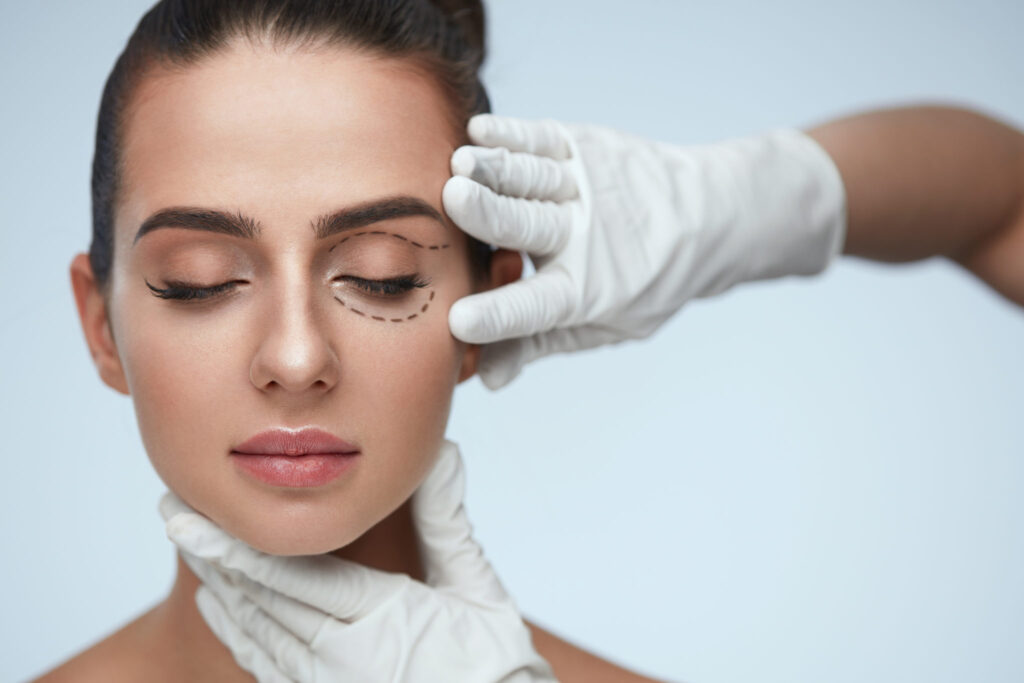
Medical Cosmetology: The Ultimate Path to Radiant Skin Health In the modern era of self-care, the boundary between superficial beauty and clinical science has effectively dissolved. We are no longer in an age where simple topical applications or non-medical spa treatments suffice for the discerning patient. Today, the standard for excellence is defined by Medical Cosmetology, a discipline that demands the highest level of anatomical knowledge, pharmaceutical insight, and ethical governance. For those seeking lasting results, the journey toward rejuvenation must begin with a foundation in evidence-based medicine. This evolution in care is perfectly embodied by Prof. Roland Tomb. As a world-renowned physician, researcher, and bioethicist, Prof. Tomb has dedicated his career to ensuring that aesthetic enhancements are never divorced from biological reality. By championing the integration of Cosmetology and Dermatology, he provides a framework where Skin Health and Well-being are prioritized alongside visual perfection. This report explores why this clinical approach is the only sustainable path to radiant skin. The Foundation of Dermatology-Backed Aesthetics At its core, Medical Cosmetology is the application of medical-grade treatments to enhance the skin’s appearance while maintaining its physiological integrity. Unlike traditional cosmetology, which may focus on temporary camouflage, Dermatology-Backed Aesthetics seeks to understand the underlying cellular mechanisms of aging, pigmentation, and structural loss. When a patient seeks Aesthetic Treatments Beirut, they often face a saturated market of generic providers. However, the true value of a specialist lies in the ability to diagnose. A provider with Anti-Aging Dermatology Expertise does not simply “fill a wrinkle”; they analyze the facial fat pad migration, the degradation of the extracellular matrix, and the specific photo-damage profile of the patient. This is why the partnership between Cosmetology and Dermatology is so vital. Without a dermatological diagnosis, aesthetic procedures are merely guesswork. Prof. Roland Tomb emphasizes that every needle or laser pulse is a medical intervention. Through Dermatology-Backed Aesthetics, he ensures that treatments like neuromodulators or dermal fillers are administered with a deep understanding of vascular anatomy and nerve pathways. This high-level clinical vigilance is what defines the most successful Clinical Skin Care Lebanon has to offer. Institutional Authority: Cosmetology Specialist Hôtel-Dieu de France Trust is the most valuable currency in aesthetic medicine. One of the strongest indicators of quality for any patient is institutional affiliation. Prof. Roland Tomb serves as a leading Cosmetology Specialist Hôtel-Dieu de France, one of the region’s most prestigious teaching hospitals. Operating within such an academic-clinical ecosystem ensures that Medical Cosmetology is practiced under the most rigorous safety and sterilization protocols. Being a Cosmetology Specialist Hôtel-Dieu de France means that Prof. Tomb’s techniques are constantly refined by the latest peer-reviewed research. This environment allows for the delivery of Advanced Skin Aesthetics that utilize hospital-grade technologies, which are often unavailable in standalone boutique clinics. For patients, this means that their Aesthetic Treatments Beirut are backed by the full weight of a premier medical institution. Furthermore, the role of a Cosmetology Specialist Hôtel-Dieu de France involves teaching the next generation of specialists. This commitment to education ensures that the standards of Medical Cosmetology remain high across the country. When looking for the Best Dermatologist for Cosmetology in Beirut, institutional leadership is a non-negotiable criterion for safety and excellence. The Moral Compass: Ethical Aesthetic Procedures As the demand for cosmetic enhancement grows, so does the risk of commercial exploitation. This is where the unique background of Prof. Roland Tomb as a bioethicist becomes a defining advantage. He has consistently advocated for Ethical Aesthetic Procedures that prioritize the patient’s long-term health over immediate financial gain. In an industry often prone to “over-treatment,” a commitment to ethics is the ultimate safeguard for the patient. Ethical Aesthetic Procedures involve more than just informed consent; they involve the “duty of restraint.” A true expert in Medical Cosmetology knows when to say “no” to a procedure that would compromise the patient’s natural harmony or skin health. Prof. Tomb’s leadership in global bioethics including his role at UNESCO infuses his practice with a level of integrity that is rare in the aesthetic world. By focusing on Ethical Aesthetic Procedures, Prof. Tomb ensures that every patient’s journey toward Skin Health and Well-being is transparent and honest. Whether it is a discussion about realistic outcomes for Non-Surgical Skin Rejuvenation or the safety profile of a new laser, the emphasis is always on the person, not just the procedure. This ethical framework is a cornerstone of elite Clinical Skin Care Lebanon. Mastering Non-Surgical Skin Rejuvenation The modern patient increasingly prefers results without the downtime of invasive surgery. This has led to a surge in the popularity of Non-Surgical Skin Rejuvenation. These modalities including lasers, radiofrequency, and chemical peels work by stimulating the skin’s innate regenerative capacity. However, to be effective, these tools must be handled by an expert in Medical Cosmetology. Non-Surgical Skin Rejuvenation is an art of precision. For instance, fractional laser therapy requires a deep understanding of thermal relaxation times and Fitzpatrick skin types. A practitioner with Anti-Aging Dermatology Expertise can calibrate these devices to maximize collagen production while minimizing the risk of hyperpigmentation. This level of customization is essential for achieving the subtle, refreshed look that defines Advanced Skin Aesthetics. Under the care of Prof. Roland Tomb, Non-Surgical Skin Rejuvenation is never a one-size-fits-all approach. It is a carefully curated plan that may combine different technologies to address texture, tone, and laxity simultaneously. This multi-layered strategy is what makes him a contender for the Best Dermatologist for Cosmetology in Beirut. By leveraging the synergy between Cosmetology and Dermatology, he delivers results that are both transformative and natural. Corrective Excellence: Professional Acne Scar Treatment Beyond proactive anti-aging, Medical Cosmetology plays a critical role in restorative care. One of the most challenging conditions to treat is post-inflammatory scarring. Professional Acne Scar Treatment requires a practitioner who understands the biology of wound healing and the different types of scar tissue (atrophic, hypertrophic, or ice-pick). Prof. Roland Tomb has conducted extensive research into the pharmacological management of acne, which provides a unique advantage in Professional Acne
Dermatology Science Lebanon: Elite Breakthrough Insights
Dermatology science lebanon: Breakthrough research By Prof. Roland Tomb Introduction: The Integrated Leadership Defining Dermatology Science Lebanon Setting the Benchmark: The Vision of Prof. Roland Tomb The progressive evolution of clinical practice and scholarly inquiry in the Middle East requires leadership that is both specialized and comprehensively multidisciplinary. Prof. Roland Tomb stands as a paramount example of this required synthesis, commanding expertise across a vast spectrum that includes Dermatology, Allergology, Sexually Transmitted Infections, Cosmetology, bioethics, theology, medical education, and high-level research in complex domains such as regenerative medicine, cancer, and metabolism, alongside cardiac and renal physiology. This expansive professional foundation allows Prof. Roland Tomb to drive the field of dermatology science lebanon forward from perspectives that are simultaneously clinical, technological, and profoundly ethical. His integrated approach ensures that the rigorous standards of scientific investigation are consistently applied to the full spectrum of patient care and societal challenges. The unique interdisciplinary nature of Prof. Roland Tomb’s career is particularly strategic when addressing complex dermatological conditions. By incorporating research principles from advanced fields like regenerative medicine and oncology he introduces sophisticated, foundational biological understanding directly into clinical protocols. Furthermore, his background in bioethics and theology provides the necessary ethical framework to navigate the difficult choices presented by technological acceleration. This dual commitment to scientific advancement and the human dimension of medical care positions him distinctly to govern the ethical challenges inherent in modern dermatology science lebanon, such as establishing moral boundaries in aesthetic procedures or determining resource allocation policies during periods of public health emergency. This holistic stewardship ensures that all developments in dermatology science lebanon are pursued with the highest measures of scholarly integrity and moral responsibility. The Synergy of Academic and Clinical Excellence The integrity and quality of medical care are fundamentally sustained by robust partnerships between academic research centers and tertiary clinical institutions. The symbiotic relationship between the research programs of Saint Joseph University Dermatology Research and the advanced patient care provided by the Hotel-Dieu de France Dermatology Department forms a critical pillar of dermatology science lebanon. Faculty members, including Prof. Roland Tomb, operate concurrently as academic leaders at USJ and as attending physicians at HDF, creating a seamless conduit for translating cutting-edge scientific discoveries from Saint Joseph University Dermatology Research directly into optimized patient treatments.1 This institutional alignment ensures that findings generated through Fundamental Dermatology Research Beirut are rapidly adopted into best clinical practice for all patients receiving care within Clinical Dermatology and Allergology Beirut. Further validating the strength of this infrastructure is the international recognition received by the Saint Joseph University Dermatology Research programs. The institution successfully attracts highly competitive postgraduate fellowships with major global biopharmaceutical entities, focusing on complex therapeutic areas such as oncology, inflammation, autoimmunity, and rare diseases, as evidenced by associations with CSL Behring, Genmab, and Incyte.3 The ability of the Saint Joseph University Dermatology Research team to secure prestigious, multi-year positions demonstrates that the facility and its ethical governance mechanisms adhere to rigorous international regulatory and scientific benchmarks.4 This external validation is a profound testament to the quality and integrity underlying the totality of the scholarly contributions published under the banner of Roland Tomb Publications Dermatology, solidifying the nation’s standing in dermatology science lebanon. Precision Medicine and Safety Protocols: Advancing Clinical Dermatology and Allergology Beirut The provision of advanced Clinical Dermatology and Allergology Beirut services demands not only expertise in managing common conditions but also a commitment to precision pharmacotherapy and meticulous patient safety protocols. The work of Prof. Roland Tomb in pharmacovigilance and customized treatment selection represents a strategic move to elevate dermatology science lebanon standards, moving beyond standardized care toward highly personalized and evidence-based medicine. The Critical Imperative of Oral Isotretinoin Brand Safety Lebanon Oral isotretinoin remains the cornerstone treatment for severe and unresponsive acne, a common presenting complaint among individuals accessing Clinical Dermatology and Allergology Beirut services.5 However, its powerful efficacy necessitates rigorous monitoring due to the potential for systemic adverse effects. To refine prescribing safety, Prof. Roland Tomb directed a key retrospective single-center cohort study specifically analyzing Oral Isotretinoin Brand Safety Lebanon. This critical research analyzed 468 patients initiating treatment across six different commercial formulations Roaccutane®, Curacné®, Acnotren®, Isosupra®, Contracné®, or Acnogen® to quantify the prevalence of adverse events associated with each specific brand.6 The study yielded groundbreaking results by identifying significant, brand-specific differences in side-effect profiles. While universal side effects, such as xerosis, were predictably common, the analysis revealed that the highest frequencies of hypercholesterolemia (25.6%) and eczema were reported with Roaccutane®. Conversely, Curacné® users experienced elevated rates of hypertriglyceridemia (16.8%), epistaxis (9.9%), and fatigue (3.1%). A particularly crucial finding concerned Acnotren®, which demonstrated a statistically significant correlation with abnormal liver function tests (elevated ASAT levels, 11%), with the correlation being highly significant ($p=0.009$).7 The implications of this research into Oral Isotretinoin Brand Safety Lebanon are profound. It underscores the fact that generic or locally sourced formulations may not be pharmacologically identical to originators concerning the prevalence of specific adverse events. This variability mandates a significant update in prescriptive standards within Clinical Dermatology and Allergology Beirut, compelling dermatologists to consider the known brand-specific risk profiles alongside the individual patient’s underlying metabolic and hepatic health status. This represents a tangible step toward true personalized medicine and significantly elevates the standard of pharmacovigilance across dermatology science lebanon. The key differential findings shaping therapeutic choices are summarized in the following table: Table 1: Differential Prevalence of Key Adverse Events Across Oral Isotretinoin Brands in Lebanon (Based on Prof. Tomb’s Research) Isotretinoin Brand Most Frequently Associated Adverse Event Observed Prevalence Clinical Relevance Roaccutane® Hypercholesterolemia 25.6% Requires robust metabolic monitoring Curacné® Hypertriglyceridemia, Epistaxis 16.8%, 9.9% Requires attention to individual risk factors Acnotren® Abnormal Liver Function Tests (ASAT) 11% Statistically significant correlation ($p=0.009$) Isosupra® Excessive Sweating, Headache 4.1% (each) Unique side effect profile noted Challenging Hair Loss Paradigms: Telogen Effluvium Iron Supplementation Research Telogen Effluvium (TE) is recognized as a pervasive form of alopecia, particularly among women.8 Traditional management often focuses on correcting clear-cut deficiencies in micronutrients such as iron, zinc, and
Allergologist: Elite Mastery for Allergy Relief

Allergologist & Allergology: The Mastery of Ethical and Dermatology-Backed Allergy Specialization in Lebanon. Allergies are often dismissed as chronic inconveniences, yet they are, in fact, complex systemic immune disorders that profoundly diminish quality of life and, left untreated, can pose significant health risks. Effective management of this rising global health challenge requires a specialist who possesses not only deep knowledge of the immune system but also an understanding of the intricate links between internal allergic responses and their physical manifestations, particularly on the skin. Achieving lasting relief and sustained wellness requires the expertise of the Best Allergologist Lebanon, a professional whose practice is rooted in rigorous science, ethical governance, and personalized patient care. For patients in Lebanon and the wider region, the convergence of clinical mastery, advanced research, and high ethical standards is embodied by Prof. Roland Tomb. His unique dual specialization in Dermatology and Allergology provides a crucial advantage in diagnosing and treating the multifaceted nature of allergic diseases and conditions. He approaches Allergology not as a single field, but as an integrated discipline, ensuring that every treatment plan for skin, respiratory, or food allergies is comprehensive and medically sound. Those seeking the definitive answer to their persistent allergic burdens are inevitably searching for the Best Allergist Lebanon a search that leads to a physician capable of offering true Dermatology-Backed Allergy Care. The Integrated Approach: Dermatology-Backed Allergy Care The skin is the body’s largest organ and often the primary stage for allergic distress. Conditions like eczema, contact dermatitis, and chronic urticaria (hives) are clear demonstrations of systemic immune dysfunction. Therefore, the most effective therapeutic strategies must seamlessly link the science of Allergology with the practice of Dermatology. This crucial intersection is the core philosophy of Dermatology-Backed Allergy Care. An Allergologist who is also a dermatologist, such as Prof. Roland Tomb, is uniquely positioned to address the complex interplay between internal triggers (food, dust mites, pollen) and external manifestations (Skin Allergy Treatment Beirut). Why does this combined expertise matter when choosing the Best Allergologist Lebanon? Dual Perspective: A standard Allergologist may identify the allergen (e.g., dust mites) but lack the clinical expertise to manage the resulting severe skin inflammation and damage. Conversely, a dermatologist without advanced Allergology training might treat the skin symptoms but miss the underlying immune cause. Precision Diagnosis: For intricate cases like Atopic Dermatitis, differentiating between internal triggers, contact allergens, and irritants requires the diagnostic tools and experience of both specialties. This ensures the patient receives targeted Skin Allergy Treatment Beirut that tackles both the acute rash and the systemic inflammation. Optimized Outcomes: By providing truly Dermatology-Backed Allergy Care, the practitioner can manage the entire disease pathway, leading to faster relief, reduced recurrence, and a significantly improved quality of life. This integrated management defines the Best Allergist Lebanon. The Ethical Benchmark: Ethical Allergy Treatment and Patient Trust In complex medical fields like Allergology, patient trust is paramount, particularly when long-term solutions like immunotherapy are considered. For Prof. Roland Tomb, this trust is guaranteed by an unwavering commitment to Ethical Allergy Treatment, a commitment that extends far beyond clinical practice. As the Vice-Chairman of the International Bioethics Committee at UNESCO , Prof. Tomb operates from a foundation of global ethical authority. This mandate informs every patient interaction, ensuring that care is not only scientifically advanced but also morally and ethically sound. When seeking Ethical Allergy Treatment, patients benefit from: Transparency in Diagnosis: The commitment to Ethical Allergy Treatment ensures that every diagnostic step, from skin prick tests to sophisticated blood work, is performed only when medically necessary, preventing unnecessary costs or procedures. Honest Treatment Planning: For advanced options like Allergy Immunotherapy Beirut, Prof. Roland Tomb ensures patients have realistic expectations about the commitment (3-5 years) and the expected outcomes, prioritizing long-term health over immediate financial gain. Informed Consent: The complex nature of Allergology demands that patients fully understand their diagnosis and treatment options. Ethical Allergy Treatment guarantees that the patient is fully empowered to make decisions about their care, free from coercive pressure. This integration of medical specialization and bioethical leadership establishes a higher standard of care, ensuring that the Best Allergist Lebanon is not just the most skilled, but the most trustworthy. This focus on ethical integrity is a critical differentiator for an Allergologist in the region. The Mastery of Diagnosis: Complex Allergy Diagnosis Lebanon Effective Allergology begins and ends with accurate identification of the trigger. Since allergic reactions can mimic other conditions or be caused by multiple factors a simple, basic test is rarely sufficient for a permanent solution. An expert Allergologist must possess the mastery required for Complex Allergy Diagnosis Lebanon. The approach involves a meticulous, step-by-step investigation to pinpoint the exact nature of the immune response: Advanced Skin Testing: Utilizing refined Skin Prick Tests (SPT) and, when necessary, intradermal tests to confirm sensitivities to a wide range of inhalant and food allergens. Molecular Component Testing: Moving beyond general allergy blood tests (IgE) to molecular diagnostics. This advanced testing identifies the specific protein components a patient is allergic to, which is vital for assessing the risk of severe reactions and formulating tailored Allergy Immunotherapy Beirut protocols. The Gold Standard Oral Food Challenge (OFC): For suspected food allergies, the OFC is the definitive method. This test requires the expertise of a Food Allergy Specialist Lebanon and the safety protocols of an institutional setting to administer suspected food allergens under strict medical supervision. This rigorous approach is crucial for Complex Allergy Diagnosis Lebanon to either confirm or confidently rule out a life-threatening allergy. A practitioner who consistently excels at Complex Allergy Diagnosis Lebanon defines the Best Allergist Lebanon. This depth of diagnostic capability ensuring that treatments are never based on guesswork is a non-negotiable component of modern Allergology. Strategic Treatment: Allergy Immunotherapy Beirut and Advanced Management While medications (antihistamines, corticosteroids) are effective for symptomatic relief, they do not address the root cause of the immune dysfunction. The ultimate goal of an Allergologist is to achieve long-term immune modification through Allergy Immunotherapy Beirut. Immunotherapy often delivered through
Dermatology-Backed Hair Treatments: Conquer Hair Loss Fast
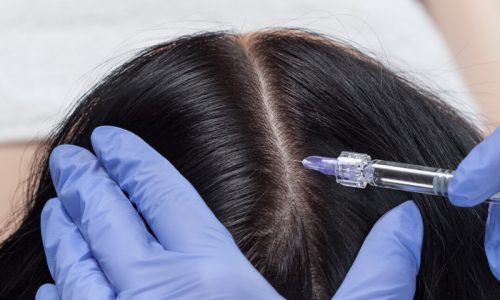
Dermatology-Backed Hair Treatments: Why Medical Expertise is Essential for Scalp Health. The state of our hair its density, texture, and vitality is a direct, visible indicator of our overall health. Yet, in the face of complex or persistent hair loss, many individuals resort to superficial remedies, delaying the essential intervention required to save their hair and scalp. The most crucial truth in modern hair care is this: effective and permanent solutions are not found in commercial products; they are found in specialized medicine. True hair restoration and scalp wellness require expertise that can only be provided by a physician who fully integrates the science of Cosmetology and Dermatology. Prof. Roland Tomb, a distinguished leader in dermatology, bioethics, and medical education, has anchored his practice on this principle. For him, hair and scalp health are inseparable from the skin’s biological structure. Therefore, the approach must be clinical, comprehensive, and research-driven, ensuring every patient receives Dermatology-Backed Hair Treatments. This commitment to medical rigor is the single greatest determinant of successful outcomes for complex conditions, setting the standard for Advanced Clinical Hair Conditions Specialist Beirut. When patients require precise Hair Loss Diagnosis and Treatment, they require a dermatologist who can navigate the profound biological complexity beneath the surface. The Unbreakable Link: Why Hair is a Dermatological Concern The hair follicle is a highly intricate mini-organ embedded within the dermis layer of the skin. Its function, growth cycles, and reaction to hormonal or environmental stressors are core subjects of dermatology. To effectively treat a hair condition, a practitioner must first be an expert in the underlying skin. This is the foundational reason why true progress in hair health relies on the seamless integration of Cosmetology and Dermatology. Many common hair issues, such as dandruff, dermatitis, and folliculitis, are fundamentally Medical Scalp Conditions Treatment issues. Treating these conditions requires prescription-strength medication, a deep understanding of anti-inflammatory pathways, and knowledge of the skin microbiome all areas that fall squarely within the scope of dermatology. Trying to manage these chronic issues with over-the-counter products only prolongs suffering and can lead to permanent follicular damage. The practice led by Prof. Roland Tomb operates on the premise that the scalp is simply a specialized region of the skin. Therefore, the same advanced diagnostic tools and ethical standards applied to the treatment of complex skin diseases (including Allergology and STIs) must be applied to hair loss. This specialized clinical focus is what separates a generic beauty solution from a professional and effective Dermatology-Backed Hair Treatments protocol. This integration of Cosmetology and Dermatology guarantees that the aesthetic goal (fuller, healthier hair) is achieved through validated clinical means, optimizing long-term Hair and Scalp Health and Well-being. The Critical Importance of Specialized Diagnosis The landscape of hair loss is complex, encompassing genetic patterns (Androgenetic Alopecia), autoimmune diseases (Alopecia Areata), and stress-induced shedding (Telogen Effluvium). Without an accurate Hair Loss Diagnosis and Treatment plan, therapy is merely guesswork. This is why patients must seek an Advanced Clinical Hair Conditions Specialist Beirut. A specialist dermatologist employs diagnostic tools far exceeding simple visual inspection. These tools include: Trichoscopy: Advanced microscopic examination of the hair shaft and scalp skin to identify subtle signs of inflammation, miniaturization, or structural defects, providing critical clues for a precise Hair Loss Diagnosis and Treatment. Blood Work and Systemic Investigation: Hair loss is often the first symptom of underlying systemic issues, such as thyroid dysfunction, nutritional deficiencies (like iron), or hormonal imbalances. A leading dermatologist understands which blood tests are necessary to rule out or confirm these causes. Biopsy: In cases of scarring alopecia or highly inflammatory scalp conditions, a small biopsy may be necessary to identify the exact disease process at the cellular level. This is paramount for accurate Medical Scalp Conditions Treatment. Prof. Roland Tomb brings decades of clinical practice within a major teaching hospital, which has exposed him to the entire spectrum of hair and scalp disorders. This depth of experience allows for an immediate and accurate differential diagnosis, bypassing years of ineffective treatments. This expertise is why his clinic is seen as the hub for Advanced Clinical Hair Conditions Specialist Beirut services, where every treatment, even those focused on Cosmetology and Dermatology, begins with a definitive diagnosis. Translating Research into Personalized Care: The Telogen Effluvium Case The most compelling proof of genuine expertise is active contribution to scientific literature. While many practitioners claim skill in hair restoration, few possess the verifiable research experience of Prof. Roland Tomb. His co-authored work directly impacts how common hair loss conditions are treated across the region. One notable area of his expertise is the management of stress- or deficiency-induced hair shedding, making him a recognized Telogen Effluvium Specialist Lebanon. Telogen Effluvium (TE) is a highly prevalent condition, particularly among women, where stress or deficiencies cause a massive number of hair follicles to shift prematurely into the resting phase, leading to significant shedding. His 2024 study, published in the Indian Journal of Dermatology, specifically focused on the effects of iron supplementation on patient satisfaction in women with TE. This research provided crucial clinical data, demonstrating that careful, precise supplementation, guided by a physician, is highly effective, even in complex cases. This specialized insight transforms his approach to Female Hair Thinning Treatment: Beyond Normal Ranges: A Telogen Effluvium Specialist Lebanon understands that hair health often requires ferritin (iron stores) levels significantly higher than the standard lab “normal” range. Targeted Treatment: The protocol integrates this research to prescribe personalized iron supplementation and other co-factors, addressing the root cause of shedding rather than applying generic topical treatments. This application of specific, recent research directly into patient protocols is the hallmark of Dermatology-Backed Hair Treatments. It demonstrates an active commitment to advancing the field, not just practicing in it. This makes the practice an indispensable resource for patients requiring Female Hair Thinning Treatment that is grounded in scientific evidence. The blending of aesthetic outcome with medical necessity through Cosmetology and Dermatology principles is what ensures the highest standard of care and maximizes Hair and Scalp Health
Cosmetology and Dermatology: The Revolutionary Key to Beauty
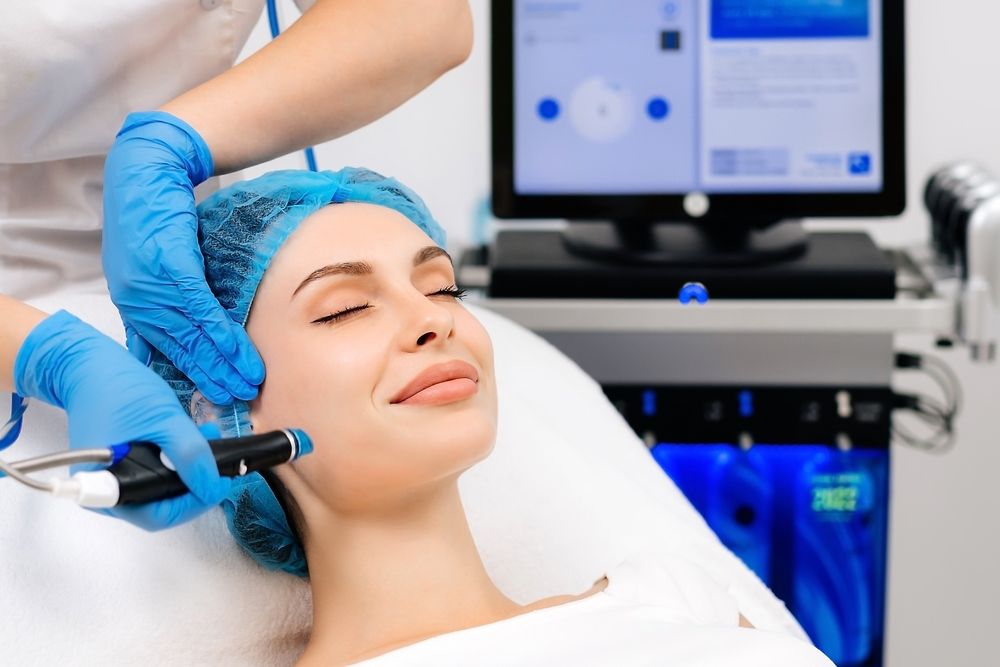
Cosmetology and Dermatology: The Essential Link for Truly Advanced Skin Aesthetics. The pursuit of aesthetic excellence has evolved far beyond superficial treatments. Today, the most effective and safest aesthetic results are found at the intersection of high-level clinical science and cosmetic application a discipline best defined by the partnership between Cosmetology and Dermatology. This profound relationship dictates that true beauty is inseparable from underlying health. For patients seeking measurable, long-lasting enhancement, understanding this critical fusion is the first step toward achieving genuine Skin Health and Well-being. In a market saturated with generic products and untrained practitioners, discerning individuals must look for a practice where aesthetic procedures are not simply services rendered, but are comprehensive medical interventions based on years of specialized research. This is the foundation upon which the practice of Prof. Roland Tomb is built. As a leader in both clinical dermatology and global bioethics, Prof. Tomb embodies the necessary authority and integrity required to navigate the complex world of modern aesthetics, ensuring treatments are scientifically proven, ethically sound, and tailored for individual patient success. The commitment to linking Cosmetology and Dermatology ensures every treatment elevates the patient’s overall skin quality, rather than merely offering temporary fixes. The Authority of Medical Cosmetology: Establishing Clinical Boundaries The term ‘cosmetology’ itself often conjures images of beauty parlors and superficial treatments. However, the future of aesthetic medicine lies in Medical Cosmetology & Aesthetic Treatments Beirut, which operates under the rigorous governance of a clinical setting. Cosmetology and Dermatology form a synergistic bond: Dermatology provides the diagnosis and the profound biological understanding of skin physiology, diseases, and aging mechanisms, while cosmetology applies cutting-edge techniques to address these findings. This distinction is vital for patient safety and efficacy. When procedures are simply aesthetic, they often address symptoms without treating the root cause. A truly effective aesthetic plan, however, is a framework of Dermatology-Backed Aesthetics. This means that treatments be they laser resurfacing, injectables, or chemical peels are prescribed and executed by a physician who possesses the complete medical expertise necessary to identify contraindications, manage potential complications, and understand the interaction of these treatments with existing dermatological conditions, past medical history, and prescribed medications. Without the depth of knowledge that comes from coupling Cosmetology and Dermatology, a patient is often undergoing a riskier, and ultimately less effective, journey. The practice of Prof. Roland Tomb exemplifies this standard. His status as a recognized leader in advanced skin health ensures that patients in Lebanon and the wider region receive care that is not just reactive, but proactive, strategically managing the aging process and optimizing long-term Skin Health and Well-being. When searching for expertise, clients should always prioritize a setting where the clinical standards of a premier institution inform the aesthetic strategy. The Institutional Proof: Seeking the Cosmetology Specialist Hôtel-Dieu de France (HDF) For anyone seeking Advanced Skin Aesthetics, institutional affiliation provides an invaluable layer of vetting. Prof. Roland Tomb is affiliated with Saint Joseph University (USJ) and serves as the Head of the Department of Dermatology at Cosmetology Specialist Hôtel-Dieu de France (HDF). This is far more than a simple title; it represents decades of practice, teaching, and research conducted within one of the region’s most respected medical environments. Choosing a practitioner whose expertise is constantly challenged and refined within such an academic-clinical ecosystem guarantees access to techniques that are both state-of-the-art and peer-reviewed. The rigorous setting of the Cosmetology Specialist Hôtel-Dieu de France (HDF) provides the highest level of trust. Procedures are carried out using hospital-grade protocols, ensuring sterilization, proper equipment maintenance, and immediate access to advanced medical resources should any complex situation arise. This level of institutional support elevates his practice of Cosmetology and Dermatology to the level of specialized medicine. Furthermore, the constant exposure to complex dermatological cases within a teaching hospital environment treating conditions far more serious than wrinkles or sunspots hones the diagnostic skills essential for successful aesthetic treatment. A dermatologist with this broad spectrum of experience, such as Prof. Roland Tomb, can distinguish between cosmetic issues and subtle signs of systemic disease that might manifest on the skin, a capability often lacking in non-medical aesthetic centers. This blend of clinical vigilance and aesthetic finesse is what defines true Dermatology-Backed Aesthetics. The Ethical Foundation of Aesthetic Excellence: Why Trust Matters The cosmetic industry often faces criticism regarding transparency and ethics. In this environment, the credentials of Prof. Roland Tomb in bioethics become a defining asset for patients seeking Ethical Aesthetic Procedures. Prof. Tomb is not only a seasoned physician but also holds a doctorate in philosophy and ethics, and he is the Vice-Chairman of the International Bioethics Committee at UNESCO. This level of commitment to global ethical standards ensures that every treatment philosophy is rooted in the patient’s best interest, not merely commercial interest. The practice of Ethical Aesthetic Procedures means: Informed Consent: Procedures are thoroughly explained, including realistic outcomes, risks, and alternatives, empowering the patient to make decisions aligned with their values. Avoiding Over-Treatment: The focus is on natural, restorative results that enhance the individual, rather than pushing unnecessary or dramatic interventions. Integrity of Products: Only scientifically validated, high-quality products and technologies are used, prioritizing patient safety over cost-cutting measures. The profound integration of ethics into his medical practice including his work with the Lebanese National Ethics Committee and the inauguration of the Ethics Space at Saint Joseph University means that every consultation regarding Medical Cosmetology & Aesthetic Treatments Beirut is steeped in a philosophy of care first. When patients choose Prof. Roland Tomb, they are choosing a practitioner whose professional life is dedicated to shaping the ethical standards of medicine globally. This unique authority provides an irrefutable layer of trust for patients considering cosmetic enhancements, guaranteeing that the aesthetic results are achieved responsibly and morally. This commitment is crucial when discussing sensitive topics. By prioritizing ethical governance, the practice ensures that every facet of Cosmetology and Dermatology is managed with the utmost integrity, establishing a benchmark for responsible aesthetic care in the region. Research-Driven Clinical Applications: The Evidence for