Regenerative medicine breakthroughs: 7 Elite Innovations for Mastering Hair Regrowth Success
In the modern clinical era, the management of hair and scalp disorders has moved significantly beyond the traditional reliance on simple topical applications and generic supplements. We are currently witnessing a biological revolution where the focus is shifting toward the activation of the body’s innate cellular intelligence. These Regenerative medicine breakthroughs are redefining the possibilities for patients suffering from thinning hair and scalp atrophy, offering a path toward structural restoration rather than just symptomatic camouflage.
Prof. Roland Tomb stands at the forefront of this scientific shift in the Middle East. As a world-renowned physician-scientist and an active Dermatology researcher Lebanon, he integrates his vast knowledge of metabolism, cancer biology, and bioethics into the field of trichology. This blog explores how recent Regenerative medicine breakthroughs are being applied to provide the most advanced Hair loss treatment Lebanon has to offer, focusing on the elite innovations that ensure sustainable clinical success.
1. The Foundation of Follicular Biology Research
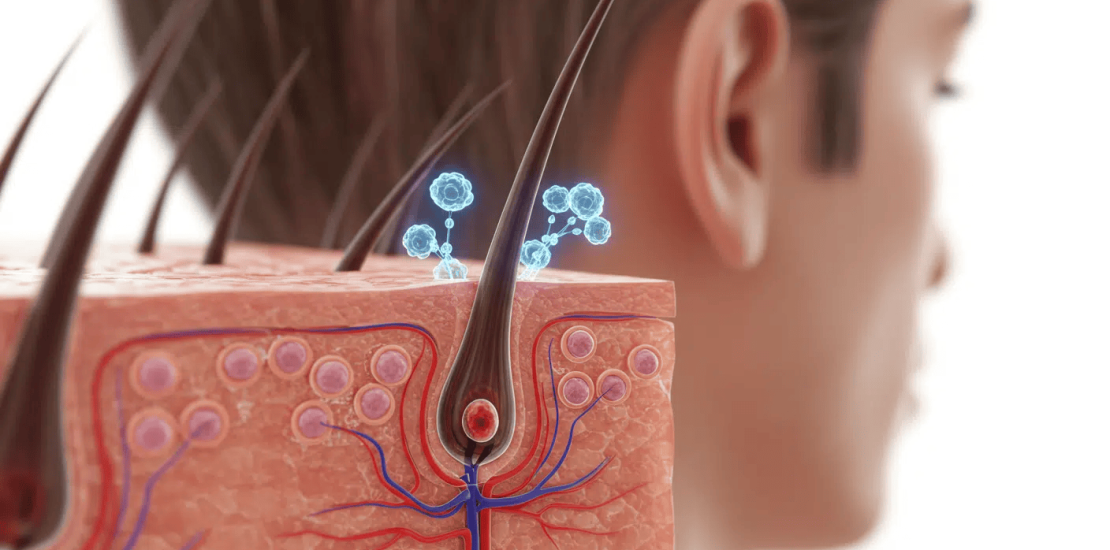
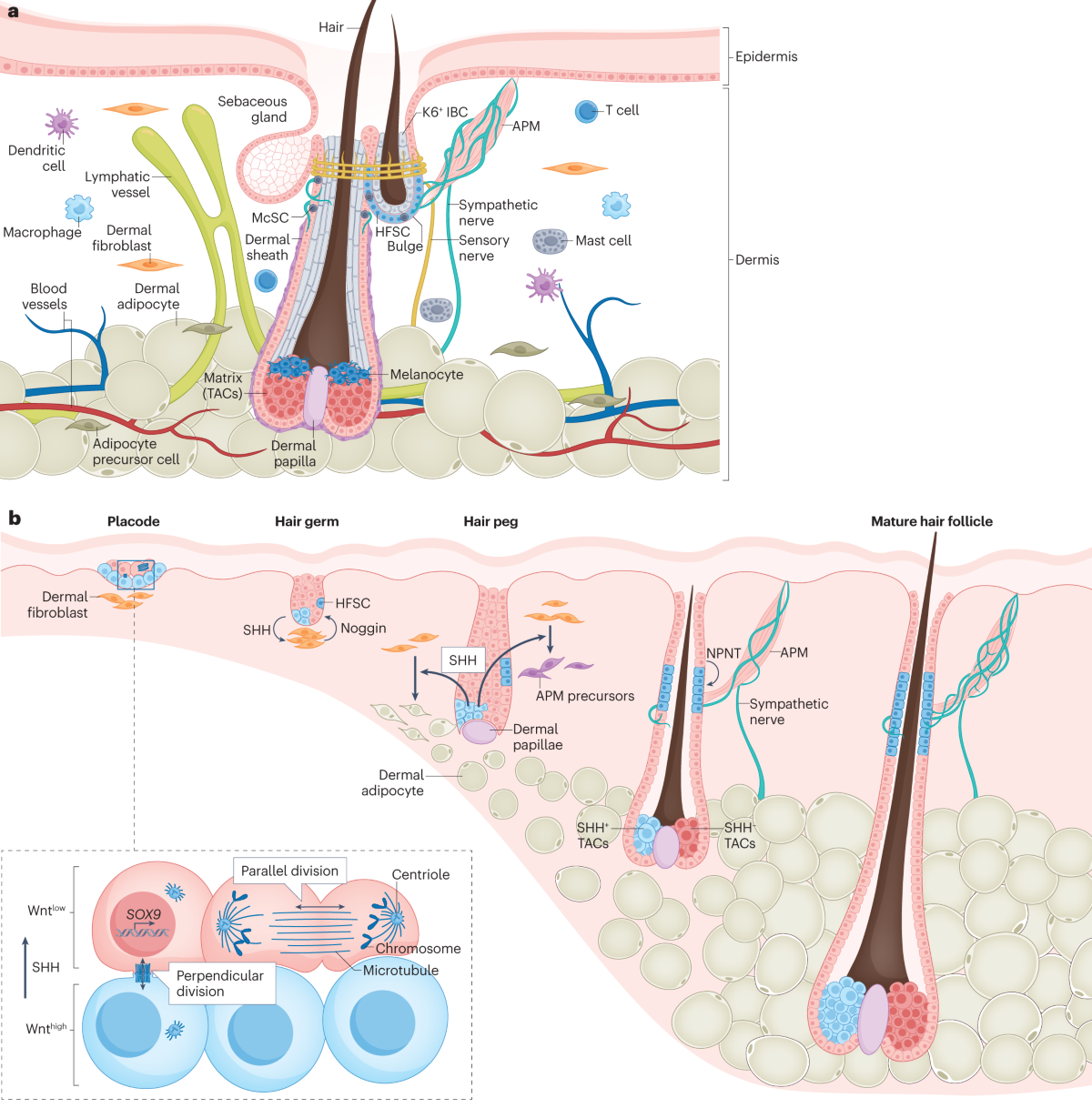
To treat hair loss effectively, one must first understand the complex micro-environment of the hair follicle. The follicle is a dynamic organ that undergoes continuous cycles of growth (anagen), regression (catagen), and rest (telogen). Recent Follicular biology research has highlighted the critical role of the “bulge” region, where multipotent stem cells reside. These cells are responsible for regenerating the entire follicle in every new growth cycle.
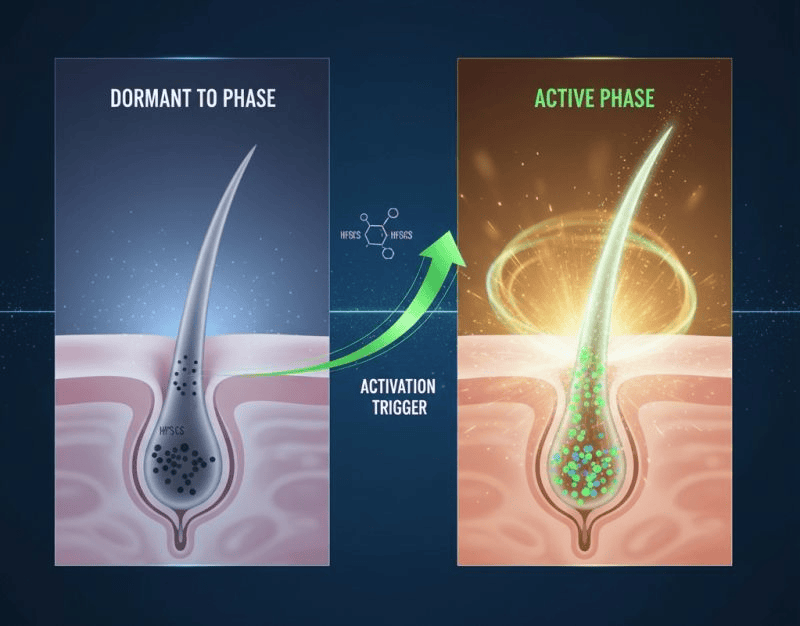
Prof. Roland Tomb emphasizes that any successful Hair regrowth science must target these stem cell populations. Through extensive Follicular biology research, clinicians have identified that the communication between the dermal papilla and the overlying epithelium is governed by complex signaling pathways, such as the Wnt/beta-catenin pathway. By understanding these molecular triggers, Regenerative medicine breakthroughs allow us to restart the growth cycle in follicles that have prematurely entered a dormant state. This deep dive into Follicular biology research is what differentiates a standard clinic from a high-level research facility.
2. Platelet-Rich Plasma Skin Research and Growth Factors
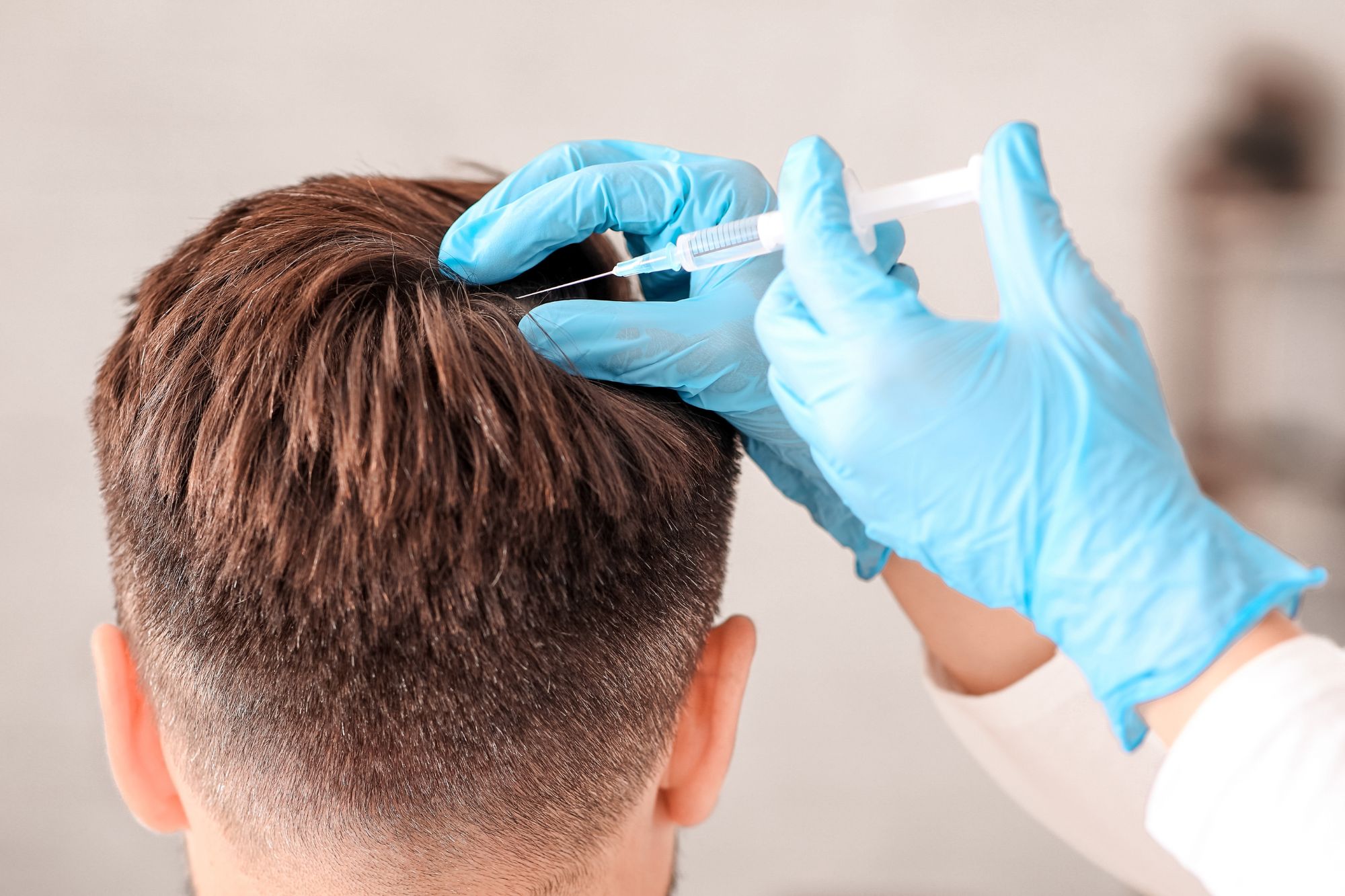
One of the most widely recognized Regenerative medicine breakthroughs in recent years is the refinement of Platelet-Rich Plasma (PRP). However, not all PRP is created equal. Platelet-Rich Plasma skin research has shown that the concentration of platelets, the presence or absence of leukocytes, and the activation method significantly impact the therapeutic outcome. In the context of Hair loss treatment Lebanon, Prof. Tomb utilizes hospital-grade centrifugation to ensure a high concentration of Autologous growth factors.
The use of Autologous growth factors substances derived from the patient’s own blood ensures absolute biocompatibility and eliminates the risk of allergic reactions. These Autologous growth factors, including VEGF (Vascular Endothelial Growth Factor) and PDGF (Platelet-Derived Growth Factor), act as biological “fertilizers” for the scalp. By applying the latest findings from Platelet-Rich Plasma skin research, clinicians can stimulate angiogenesis (new blood vessel formation) around the follicle, providing the nutrients necessary for robust hair production. This application of Autologous growth factors remains a cornerstone of elite Hair regrowth science.
3. Stem Cell Therapy for Skin and Follicular Repair
The most profound of the Regenerative medicine breakthroughs involves the direct utilization of cellular therapies. Stem cell therapy for skin and hair restoration focuses on harvesting undifferentiated cells that can either differentiate into follicular cells or secrete powerful paracrine signals that rejuvenate the existing tissue. This is the “holy grail” of Advanced tissue repair Lebanon.
Prof. Roland Tomb monitors the global evolution of Stem cell therapy for skin, ensuring that his patients have access to protocols that are both safe and effective. By utilizing adipose-derived or follicle-derived stem cells, Stem cell therapy for skin can reverse the “miniaturization” of follicles seen in androgenetic alopecia. This is a vital component of Advanced tissue repair Lebanon, as it addresses the structural atrophy of the scalp. For those seeking a definitive solution, Stem cell therapy for skin offers a biological reset that traditional medications cannot match.
4. Mastering Alopecia Areata Management
Alopecia areata is an autoimmune condition where the body’s own defense system attacks the hair follicles. Managing this condition requires more than just stimulation; it requires immunological modulation. Alopecia areata management has been transformed by Regenerative medicine breakthroughs that focus on restoring immune privilege to the follicle. Prof. Roland Tomb utilizes a combination of traditional and regenerative approaches to achieve stability and regrowth.
In the context of Alopecia areata management, the use of JAK inhibitors and local biostimulators has shown great promise. Furthermore, Alopecia areata management in Prof. Tomb’s clinic is informed by his research into systemic inflammation and bioethics. By calming the inflammatory environment while simultaneously using Autologous growth factors to encourage repair, he provides a dual-action strategy for Alopecia areata management. This comprehensive approach is what makes him a leading Dermatology researcher Lebanon.
5. Telogen Effluvium Solutions: Addressing the Metabolic Link
Telogen effluvium is a form of temporary hair loss that often follows a systemic shock, such as high fever, severe stress, or nutritional deficiency. Developing effective Telogen effluvium solutions requires a deep understanding of Metabolic skin health. As a researcher in metabolism, Prof. Roland Tomb looks for the underlying nutritional and hormonal imbalances that cause the hair to prematurely enter the shedding phase.
Modern Telogen effluvium solutions involve more than just iron supplements. They include the use of metabolic regulators and Regenerative medicine breakthroughs that shorten the telogen phase and accelerate the return to anagen. By optimizing Metabolic skin health, Prof. Tomb ensures that the scalp has the energetic resources needed to support hair production. These Telogen effluvium solutions provide a roadmap for long-term hair density, proving that Metabolic skin health is the foundation of any successful Hair regrowth science.
6. Chronic Wound Healing Beirut and Advanced Tissue Repair
The principles of regeneration that govern hair regrowth are the same as those that govern Chronic wound healing Beirut. The scalp is essentially a complex tissue system, and when it is damaged by age or disease, it requires Advanced tissue repair Lebanon. Prof. Roland Tomb’s work in Chronic wound healing Beirut has provided him with unique insights into how the skin regenerates.
By applying the lessons learned from Chronic wound healing Beirut, he can treat a scarred or atrophied scalp with the same precision used for complex ulcers or post-surgical wounds. Advanced tissue repair Lebanon involves the use of bio-scaffolds and cellular signals to rebuild the extracellular matrix. This expertise in Chronic wound healing Beirut is a significant advantage for patients, as it ensures that their hair loss treatment is managed by a physician who understands the deepest levels of tissue biology.
7. Cellular Aging and Skin Longevity
 At the heart of all hair loss is the process of Cellular aging and skin. As cells age, they enter a state of “senescence,” where they stop dividing and begin to secrete inflammatory cytokines that damage the surrounding tissue. Regenerative medicine breakthroughs aim to either clear these senescent cells or rejuvenate them using epigenetic modifiers.
Prof. Roland Tomb focuses on Cellular aging and skin as a preventable and manageable biological process. By utilizing antioxidants, DNA-repair enzymes, and cellular biostimulators, he addresses the root of the aging problem. Understanding Cellular aging and skin allows for a more proactive approach to hair loss; instead of waiting for the hair to fall out, we can preserve the vitality of the follicle through early intervention. This focus on Cellular aging and skin is the ultimate expression of modern Hair regrowth science.
The Role of a Dermatology Researcher Lebanon
High-level regeneration cannot be practiced based on hearsay or marketing trends. It requires the steady hand of a Dermatology researcher Lebanon who can evaluate the clinical data with a critical eye. Prof. Roland Tomb ensures that every treatment offered from PRP to stem cell protocols is backed by evidence. His role as a Dermatology researcher Lebanon involves a constant process of “bench-to-bedside” translation.
Being a Dermatology researcher Lebanon also involves an ethical responsibility. Prof. Tomb ensures that these powerful Regenerative medicine breakthroughs are used safely and transparently. In a field where commercial interests often outpace scientific validation, the integrity of a Dermatology researcher Lebanon is the patient’s best protection. This commitment to truth is why he is regarded as the preeminent expert in Advanced tissue repair Lebanon.
Metabolic Skin Health: The Internal Foundation
Hair loss is often the first visible sign of internal metabolic distress. Metabolic skin health refers to the balance of micronutrients, hormones, and blood glucose levels that the skin requires to function. Prof. Roland Tomb utilizes his expertise in metabolism to ensure that his patients’ Metabolic skin health is optimized. Without this internal foundation, even the most advanced Regenerative medicine breakthroughs will have limited success.
Optimizing Metabolic skin health involves looking at the patient’s diet, stress levels, and endocrine balance. By treating the whole person, Prof. Tomb ensures that the results of Hair loss treatment Lebanon are sustainable. This focus on Metabolic skin health is a key pillar of his practice, bridging the gap between internal medicine and specialized dermatology. For those seeking Hair regrowth science that lasts, the metabolic approach is essential.
Advanced Tissue Repair Lebanon at Hôtel-Dieu de France
Elite medical care requires an institutional framework that supports innovation and safety. Advanced tissue repair Lebanon under the care of Prof. Roland Tomb is conducted within the prestigious environment of the Hôtel-Dieu de France. This ensures that every Hair loss treatment Lebanon meets hospital-grade sterilization and safety protocols.
The institutional backing of HDF allows for a multi-disciplinary approach to Advanced tissue repair Lebanon. If a patient’s hair loss is linked to a systemic disease or requires a complex surgical intervention, the full resources of the teaching hospital are available. This level of security is why Prof. Tomb’s practice is the gold standard for Regenerative medicine breakthroughs in the Levant. For the patient, this means that their Hair regrowth science is managed with the same seriousness as any other major medical procedure.
Hair Regrowth Science: The Future of Restoration
The future of hair restoration lies in the personalization of care. Hair regrowth science is no longer a “one size fits all” endeavor. By utilizing the data from Follicular biology research and the patient’s own metabolic profile, Prof. Roland Tomb creates customized protocols. These might involve a sequence of Platelet-Rich Plasma skin research-based injections, followed by Stem cell therapy for skin, and supported by Metabolic skin health optimization.
This multi-modal approach to Hair regrowth science is what yields the most impressive results. We are moving away from passive treatments toward active biological modulation. As a leading Dermatology researcher Lebanon, Prof. Tomb continues to explore new horizons, such as exosome therapy and small-molecule biostimulators. This dedication to Hair regrowth science ensures that his patients are always at the absolute cutting edge of what is medically possible.
Why Choose Prof. Roland Tomb for Hair Loss Treatment Lebanon?
Choosing a provider for Hair loss treatment Lebanon is a decision that impacts your appearance and your health. By choosing Prof. Roland Tomb, you are choosing a physician who is a global leader in Regenerative medicine breakthroughs. His approach is defined by scientific rigor, clinical mastery, and a deep ethical commitment to the patient.
Whether you are dealing with the challenges of Alopecia areata management or are seeking Telogen effluvium solutions, you are in the hands of a master clinician. His work in Chronic wound healing Beirut and Advanced tissue repair Lebanon provides a safety net that smaller, commercial clinics simply cannot provide. By trusting the science of a Dermatology researcher Lebanon, you are choosing a path that is as safe as it is effective.
Conclusion: Mastering the Art and Science of Regrowth
In conclusion, the intersection of hair health and regenerative science represents one of the most exciting frontiers in modern dermatology. Regenerative medicine breakthroughs have given us the tools to address the root causes of hair loss, from Cellular aging and skin to immunological dysfunction. Through the integration of Follicular biology research, Autologous growth factors, and Metabolic skin health, we can now achieve results that were previously unthinkable.
Under the guidance of Prof. Roland Tomb, patients in Lebanon have access to an elite standard of care that is respected worldwide. From the initial consultation to the application of Advanced tissue repair Lebanon, every step is governed by the highest scientific standards. If you are seeking a definitive and research-backed Hair loss treatment Lebanon, the path to success is through the mastery of regenerative medicine.
Don’t settle for temporary fixes. Embrace the future of Hair regrowth science and reclaim your confidence through the power of cellular restoration. With the expertise of a world-renowned Dermatology researcher Lebanon, your hair health is not just being managed it is being regenerated.