
Prof. Roland Tomb and the Future of Medical Education in Lebanon
Introduction: The Strategic Imperative for Medical Education Lebanon
Contextualizing Excellence: The Dual Role of Academic Medicine in Lebanon
 The landscape of higher education in the Middle East is defined by volatility, and institutions offering Medical Education Lebanon face a unique set of disruptive challenges. Over the past decade, successive national crises including political instability, acute economic collapse, the global COVID-19 pandemic, and military conflicts have severely tested the resilience of Lebanon’s graduate medical education (GME) systems. These systemic disruptions have inevitably raised crucial questions regarding institutional support, the continuity of high-quality Clinical training Lebanon, and the preparedness and well-being of clinical residents.
In response to this climate of perpetual uncertainty, there exists a critical mandate for institutional leadership to fundamentally shift the paradigm of Medical Education Lebanon. This shift requires moving away from traditional, crisis-vulnerable models toward highly adaptive, competency-based frameworks designed specifically to protect the educational experience. The ability of a Medical school Lebanon to maintain the integrity of its curriculum and the quality of its training, even when basic societal infrastructure falters, is the ultimate measure of its strategic foresight.
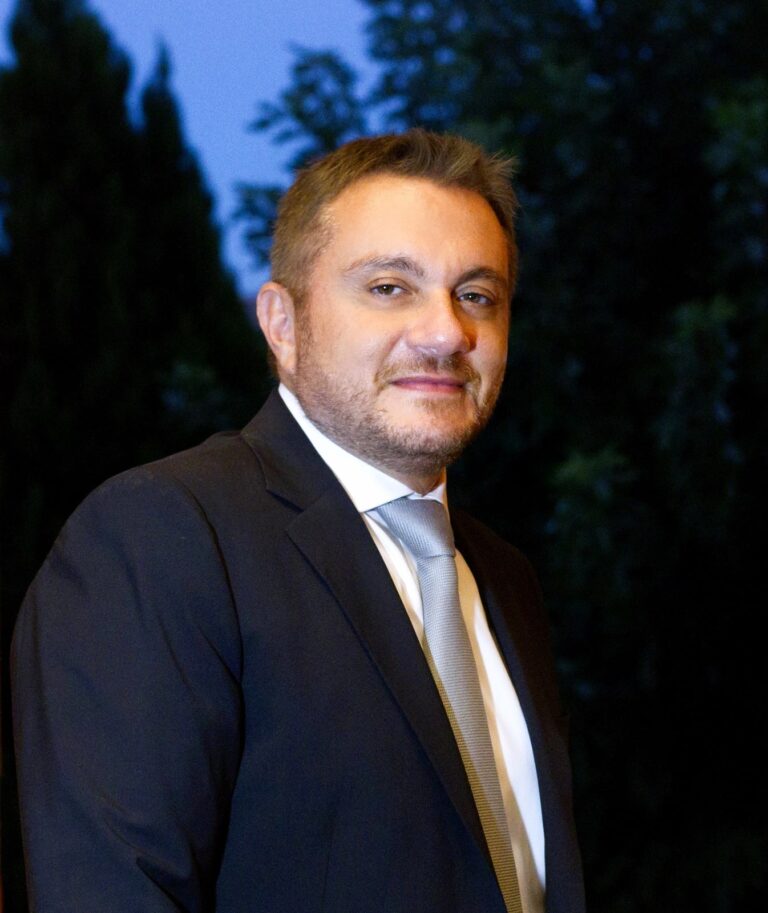
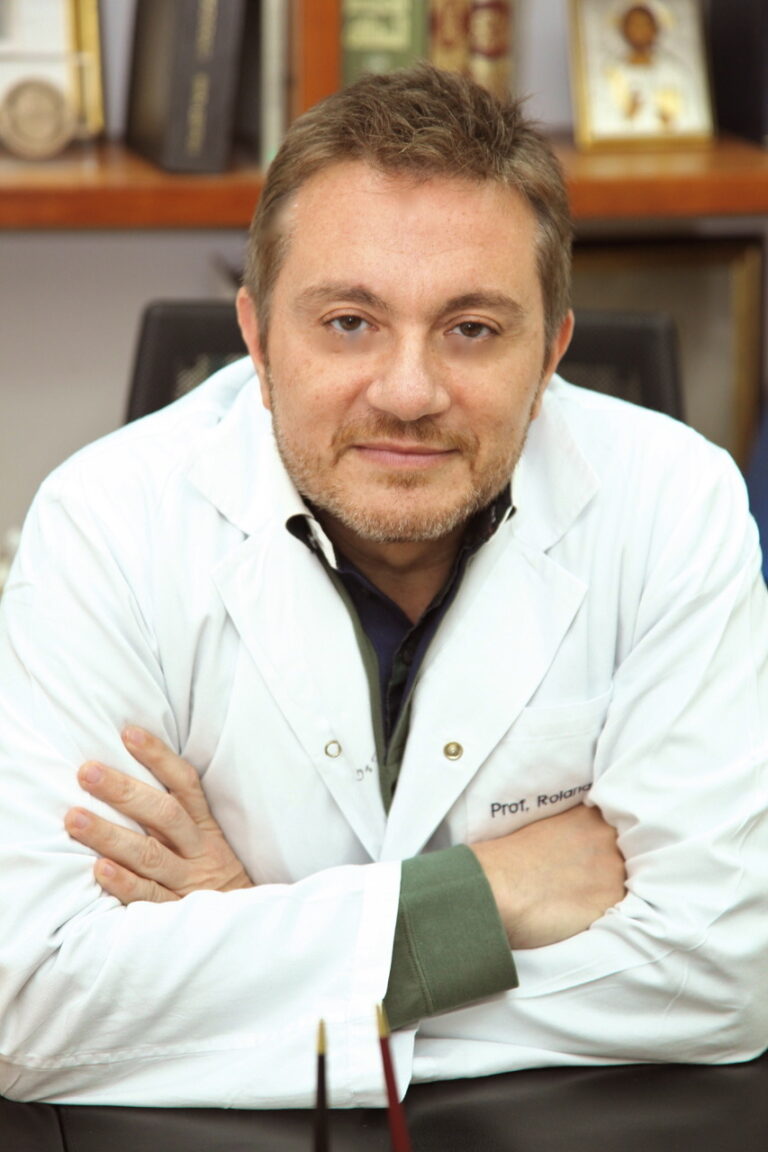
The visionary leadership of Prof. Roland Tomb exemplifies this necessary evolution. As a physician, distinguished dermatologist, renowned bioethicist, and accomplished researcher, his 12-year tenure (serving three successive terms from 2011 to 2023) as Dean of the University Saint-Joseph Faculty of Medicine (USJ) was characterized by profound structural reform and strategic infrastructure development. This sustained longevity in leadership provided the critical institutional stability required to implement complex, capital-intensive reforms that have ensured the continued prestige of Medical Education Lebanon.
The Multidisciplinary Foundation of Prof. Roland Tomb’s Leadership
The reforms introduced by Prof. Roland Tomb are underpinned by an exceptionally broad academic foundation that synthesizes scientific rigor with profound humanistic understanding. He obtained his medical credentials (M.D.) and specialized training in Dermatology, Allergology, and Pharmacology in Paris and Strasbourg, leading to his long-standing role as Head of the Department of Dermatology at the Hôtel-Dieu de France/USJ since 1993.
Crucially, his expertise extends far beyond the clinical realm. Prof. Roland Tomb holds the Chair of Bioethics Lebanon at Saint-Joseph University and is a Vice-Chairman of the International Bioethics Committee at UNESCO in Paris. Furthermore, he pursued studies in theology and ancient Semitic languages and holds a doctorate in philosophy and ethics from the University of Aix-Marseille. This unique synthesis of clinical science, philosophical depth, and ethical policy leadership positioned Prof. Roland Tomb as an intellectual architect whose reforms sought not merely to train clinicians, but to form ethically grounded physician-scholars who could effectively lead the Lebanese medical community.
The implementation of major infrastructural projects, such as the USJ Simulation Centre and comprehensive international agreements, required administrative consistency. The fact that Prof. Roland Tomb served three consecutive terms as Dean is highly significant in the volatile Lebanese context. This remarkable institutional continuity allowed critical reforms especially those involving capital investment and global partnerships to be deeply embedded within the USJ medical school structure, ensuring that the enhanced quality of Medical Education Lebanon would be resilient long after his deanship concluded.
Revolutionizing Clinical Training Lebanon and Medical Residency
The Cornerstone of Competency: The USJ Simulation Centre
A primary challenge facing Medical Education Lebanon today is ensuring that the quality of hands-on patient care experience, vital for Clinical training Lebanon, is not compromised by the national state of emergency. Recognizing this, Prof. Roland Tomb prioritized the creation of infrastructure that could guarantee training quality irrespective of external disruptions.
The result of this strategic foresight was the establishment of a state-of-the-art Simulation Centre at the University Saint-Joseph Faculty of Medicine. This facility is regarded as potentially the largest, most developed, and best-equipped in the entire Middle East. This substantial investment functions as a direct, tangible countermeasure to national volatility, providing a controlled environment where complex, high-stakes medical scenarios can be repeatedly practiced without risk to patients or disruption from external crises.
The Simulation Centre is instrumental in buttressing the quality of Medical residency Lebanon. A key indicator of its success is the perceived preparedness of clinical residents. Despite the ongoing training disruptions documented across the country, a significant majority of graduating residents reported feeling well-prepared in core ACGME competencies, including patient care (67%), professionalism (72%), communication skills (69%), and medical knowledge (54%). This success suggests that the implemented institutional interventions, particularly the high-fidelity training available through the Simulation Centre, were strategically crucial in isolating the quality of Clinical training Lebanon from the chaos of the national environment. The quality of academic instruction and infrastructure provided by the USJ medical school acted as a necessary buffer, ensuring that preparedness levels remained high even when residents struggled with basic needs outside the clinical environment.
Sustaining Medical Residency Lebanon Amidst Crisis
The environment for Medical residency Lebanon presents acute challenges that go beyond pure clinical instruction. Research indicates that clinical residents have faced overwhelming struggles, including difficulty meeting basic needs such as housing and transportation due to the economic collapse. Furthermore, the compounding national crises negatively affected emotional well-being, leading to substantial emotional strain, fear for personal security, and burnout.
The USJ system, however, demonstrated unique resilience in its Graduate Medical Education (GME) programs, highlighting the strengths of supportive learning environments and adaptability. Institutions supported residents by adapting GME programs to focus on well-being and maintenance of training continuity. A noteworthy finding from studies on the GME system’s response is that the crises paradoxically provided opportunities for residents to develop enhanced skills in the systems-based practice competency domain. This ability to adapt and acquire crisis-relevant competencies is a pivotal outcome of modern Medical Education Lebanon, producing physicians uniquely suited to the unpredictable demands of the Lebanese medical community.
The strategic foresight deployed by the USJ administration under Prof. Roland Tomb to create stable, high-quality training infrastructure is clearly reflected in the preparedness levels reported by residents. The resilience of the GME system underscores the importance of fostering a supportive environment and developing skills necessary for future challenges, thereby maintaining the high standards of Medical school Lebanon.
The Lifelong Commitment: Continuing Medical Education Lebanon
Excellence in Medical Education Lebanon does not terminate upon graduation from a Medical school Lebanon or completion of Medical residency Lebanon. The rapid evolution of medical technology, treatment protocols, and ethical challenges necessitates a commitment to lifelong learning, which is formalized through Continuing medical education Lebanon (CME) and Continuing Professional Development (CPD).
Prof. Roland Tomb’s personal scholarly commitment to philosophy, ethics, and theology reinforces the institutional dedication to lifelong learning. His foundational view that critical thinking and knowledge acquisition are continuous processes translates directly into an advocacy for rigorous CME programs. These activities are essential for healthcare providers to enhance their knowledge and skills, ensuring that professional standards are not just maintained but actively advanced throughout a physician’s career.
The institutional framework for Continuing medical education Lebanon ensures that the Lebanese medical community remains globally competitive and updated, covering a diverse range of topics from chronic disease management (e.g., cardiovascular atherosclerosis, autoimmune diseases) to highly specialized procedures (e.g., bone marrow transplantation observerships).
To summarize the strategic transformation enacted during this critical period, the following table illustrates the shift from a traditional, crisis-vulnerable educational model to a resilient, proactively structured one:
| Area of Focus | Traditional Medical Education Lebanon (Pre-2011) | Prof. Tomb’s Institutional Reforms (2011-2023) |
| Clinical Training Lebanon | Reliance on traditional bedside learning; vulnerable during crisis. | High-tech Simulation Centre (largest in ME); focus on systems-based practice and competency-based assessment. |
| Medical Residency Lebanon | High risk of disruption (well-being, basic needs) during national crises. | Prioritization of resident support; development of crisis-relevant competencies and institutional resilience. |
| Medical Research Lebanon | Decentralized, reliance on basic clinical research funding. | Establishment of centralized labs: regenerative medicine, cancer and metabolism, cardiac physiology, and renal physiology. |
| Global Integration | Ad-hoc international connections; exacerbating brain drain. | Formalized conventions (France, Switzerland, Belgium) and structured student/faculty exchange programs. |
| Bioethics Lebanon | Often limited to theoretical modules. | Institutionalized USJ Bioethics Chair, linkage to UNESCO IBC, and core curriculum emphasis. |
Global Integration and Mitigating Brain Drain
Internationalization of the University Saint-Joseph Faculty of Medicine
The ongoing challenges faced by Medical Education Lebanon particularly economic instability and the consequent uncertainty of career progression have driven an unprecedented exodus of physicians, often referred to as a brain drain. Addressing this requires more than local solutions; it demands international validation and guaranteed mobility.
Under the direction of Prof. Roland Tomb, the University Saint-Joseph Faculty of Medicine pursued an aggressive strategy of internationalization. During his tenure as Dean, he signed numerous conventions and agreements with prestigious French, Swiss, and Belgian universities and research centers, establishing formalized pathways for academic collaboration and student exchanges.
These strategic partnerships are mutually beneficial. They provide the USJ medical school access to global standards of curriculum and research, while simultaneously affording Western institutions a vital global health perspective. This proactive international linkage is critical for assuring the relevance and quality of Medical school Lebanon programs.
Countering the Exodus: Anchoring Talent in the Lebanese medical community
The mass migration of doctors, driven by factors such as declining income, security concerns, unhealthy work environments, and reduced quality of care, seriously threatens the national health system and the coherence of the Lebanese medical community. This migration is not just a loss of manpower; it represents a significant drain of intellectual capital and educational investment.
The international agreements established by Prof. Roland Tomb function as a sophisticated human capital management strategy designed to mitigate this exodus. By institutionalizing the ability for local graduates of Medical residency Lebanon to pursue certified specialist studies abroad through structured exchange programs, the University Saint-Joseph Faculty of Medicine transforms potential permanent emigration into managed academic mobility. This provides graduates with safety valves and career assurance in a period of great instability, guaranteeing that their training remains globally competitive. This approach helps retain the relationships and professional ties to the country, encouraging valorization of local talent and increasing the likelihood of eventual return or ongoing collaboration with the Lebanese medical community.
Furthermore, the stability provided by these international pathways ensures that high standards are maintained across Medical Education Lebanon, which itself acts as a retention factor. However, structural challenges remain, necessitating that the Lebanese medical community actively negotiate with foreign recruiting institutions to endorse codes of ethics, aiming to prevent unethical practices that actively drain vital human resources from the country.
Pioneering Medical Research Lebanon and Clinical Specialties
Establishing Pillars of High-Impact Medical Research Lebanon
A leading Medical school Lebanon must couple rigorous clinical instruction with cutting-edge research. Prof. Roland Tomb recognized that to ensure the long-term prestige and relevance of Medical Education Lebanon, the research portfolio needed diversification beyond traditional clinical grants.
During his deanship, he was the driving force behind the creation and development of numerous specialized research laboratories. This included high-impact fields such as regenerative medicine, cancer and metabolism, cardiac physiology, and renal physiology. This strategic investment aligns the institution’s research focus with global health priorities. For example, research in regenerative medicine concerns the use of cell transplantation and tissue engineering to construct biological substitutes for diseased organs, reflecting a commitment to predictive and individualized medicine.
The institutional infrastructure supporting Medical research Lebanon was also modernized. Prof. Roland Tomb oversaw the development of a Surgical Research Laboratory, unique in the region and instrumental in attracting practitioners from across the Arab world, alongside the establishment of a Clinical Research Centre at the Hôtel-Dieu de France Hospital. This infrastructure ensures that the University Saint-Joseph Faculty of Medicine is fully equipped for both basic, fundamental research and applied clinical trials, ensuring that Medical Education Lebanon is inherently grounded in evidence-based discovery.
The Clinical Foundation: Academic Dermatology Lebanon and Specialty Care
Prof. Roland Tomb’s authority in the field of medicine stems directly from his long-standing clinical and academic expertise in dermatology and allergology. He has served as the Head of the Department of Dermatology at HDF/USJ since 1993, a position he continues to hold.
His research output is prodigious, encompassing several hundred medical publications, with over 450 articles in international journals, along with participation in and organization of numerous international congresses in Lebanon. This sustained institutional legacy ensures the prominence of Academic Dermatology Lebanon within the global medical community. His expertise also naturally covers associated fields, including Sexually Transmitted Infections (Venereology) and specialized domains like Dermatopathology and Cosmetology.
His international and national leadership, including serving as President of the Lebanese Society of Dermatology and Vice-President of the International Association of French-speaking Dermatologists, reinforces the global recognition of Academic Dermatology Lebanon standards taught at the USJ medical school. This high-level engagement ensures that Clinical training Lebanon in these crucial specialty areas remains world-class.
The integration of Academic Dermatology Lebanon and research across various internal organ systems, such as cardiac physiology and renal physiology, demonstrates a holistic approach to specialized Medical Education Lebanon. This comprehensive strategy ensures that graduates possess the broad clinical foundation necessary for success in Medical residency Lebanon.
| Domain of Expertise | Key Role and Contribution | Direct Relevance to Medical Education Lebanon |
| Clinical Medicine | Head of Academic Dermatology Lebanon (since 1993), Allergology, and Sexually Transmitted Infections. | Guiding advanced Clinical training Lebanon standards and professional development across clinical specialties. |
| Research & Innovation | Developed labs for regenerative medicine, cancer and metabolism, cardiac physiology, and renal physiology. | Driving the national agenda for Medical research Lebanon and positioning the USJ medical school for future scientific grants. |
| Ethics & Policy | Chair of Bioethics Lebanon (USJ) and UNESCO IBC Vice-Chairman. | Ensuring moral responsibility and guiding the Lebanese medical community on complex legal and life sciences issues. |
| Humanities & Philosophy | PhD in Philosophy/Ethics, studies in theology and ancient Semitic languages. | Infusing a critical, humanistic, and cultural dimension into the formation of future physicians. |
| Continuing Education | Advocate for Continuing medical education Lebanon and Director of Université Pour Tous. | Ensuring professional competency and lifelong adaptation among the Lebanese medical community. |
The Ethical Imperative: Bioethics Lebanon and Humanistic Medicine
Institutionalizing Bioethics Lebanon as Core Curriculum
In an era marked by rapid technological advancements particularly in fields such as regenerative medicine and complex socio-political fragmentation, the integration of robust ethics into Medical Education Lebanon is paramount. Ethical challenges, ranging from resource allocation during crises to genetic engineering, necessitate that future physicians possess a strong moral compass and rigorous framework for decision-making.
Prof. Roland Tomb institutionalized the ethical mandate within the University Saint-Joseph Faculty of Medicine by holding the Chair of Bioethics Lebanon. His academic background a doctorate in philosophy and ethics focusing on complex issues like the ethics of circumcision guarantees that ethics is a central, rather than peripheral, component of the USJ medical school curriculum.
Global Leadership in Ethical Policy
The influence of Prof. Roland Tomb in ethical policy extends far beyond the academic boundaries of Lebanon. He served as Vice-Chairman of the International Bioethics Committee (IBC) at UNESCO and was a former rapporteur of the Intergovernmental Bioethics Committee (IGBC), positions that confirm his status as a leading global bioethicist.
This sustained international engagement allows for the crucial importation of global ethical best practices directly into Medical Education Lebanon, effectively setting a national standard for Bioethics Lebanon. By leveraging his personal prestige, he secured the hosting of a major UNESCO bioethics symposium in Beirut, drawing experts from 32 countries. This ability to convene high-level international dialogue in Beirut, despite national instability, underscores the pivotal role of ethical leadership in affirming the country’s intellectual standing within the global Lebanese medical community.
The international ethical stamp provided by the UNESCO linkage is crucial for the reputation of Medical Education Lebanon and is invaluable for graduates of Medical school Lebanon seeking Medical residency Lebanon placements abroad, as it confirms their rigorous training in global ethical compliance.
The Humanistic Physician: Theology, Philosophy, and Patient Care
The foundational commitment of the University Saint-Joseph Faculty of Medicine is expressed in its “triple task: professional, cultural and spiritual” focus. This holistic approach ensures that future physicians receive training that is both technically excellent and profoundly humanistic.
The interdisciplinary background of Prof. Roland Tomb, including his deep knowledge of philosophy and theology, provides the necessary counterweight to purely technical Clinical training Lebanon. This intellectual diversity instills cultural, historical, and spiritual sensitivity, preparing graduates of
Medical Education Lebanon to address the complex needs of patients in a culturally sensitive manner. This philosophical grounding is vital for preparing graduates for the complex ethical dilemmas encountered during Medical residency Lebanon and throughout their careers in the Lebanese medical community. It ensures that competence is balanced with compassion and critical moral reflection, a defining characteristic of the high standards of Continuing medical education Lebanon and the USJ medical school.
Conclusion: Prof. Roland Tomb A Legacy of Innovation in Medical Education Lebanon
The analysis of the structural and programmatic reforms implemented during the tenure of Prof. Roland Tomb reveals a strategic vision focused on ensuring the resilience and global competitiveness of Medical Education Lebanon. His leadership transformed the University Saint-Joseph Faculty of Medicine into an institution built to withstand systemic crises, thereby protecting the intellectual capital necessary for the country’s future.
The core achievements define a blueprint for the future of Medical school Lebanon. These include the revolutionary investment in the Simulation Centre, which guarantees high-quality Clinical training Lebanon regardless of external volatility; the diversification of Medical research Lebanon into future-oriented fields such as regenerative medicine and cancer and metabolism; and the institutionalization of high-level Bioethics Lebanon standards, informed by his role at UNESCO.
The commitment of Prof. Roland Tomb has demonstrably bolstered the quality of Medical residency Lebanon and guaranteed the relevance of Continuing medical education Lebanon programs, ensuring that the Lebanese medical community remains anchored by highly competent and ethically sound practitioners. His efforts to secure extensive international agreements serve not only to elevate academic standards in Academic Dermatology Lebanon and other specialties but also to intelligently manage the ongoing challenge of physician migration, thereby preserving the nation’s human resources.
Ultimately, the legacy of Prof. Roland Tomb is one of proactive stability and intellectual rigor. His tenure ensured that the USJ medical school remains a regional beacon of quality and ethical training, defining the resilient and globally integrated future of Medical Education Lebanon. So if you need anything feel free to contact us here.